Fantasy football 2026: SportsLine's 10,000-simulation model flags sleepers, breakouts and busts for draft season
CBS Sports' projection engine has run 10,000 simulations of the 2026 NFL season. The early output points to a Detroit tight end and a Tampa Bay back as draft-day values worth chasing.
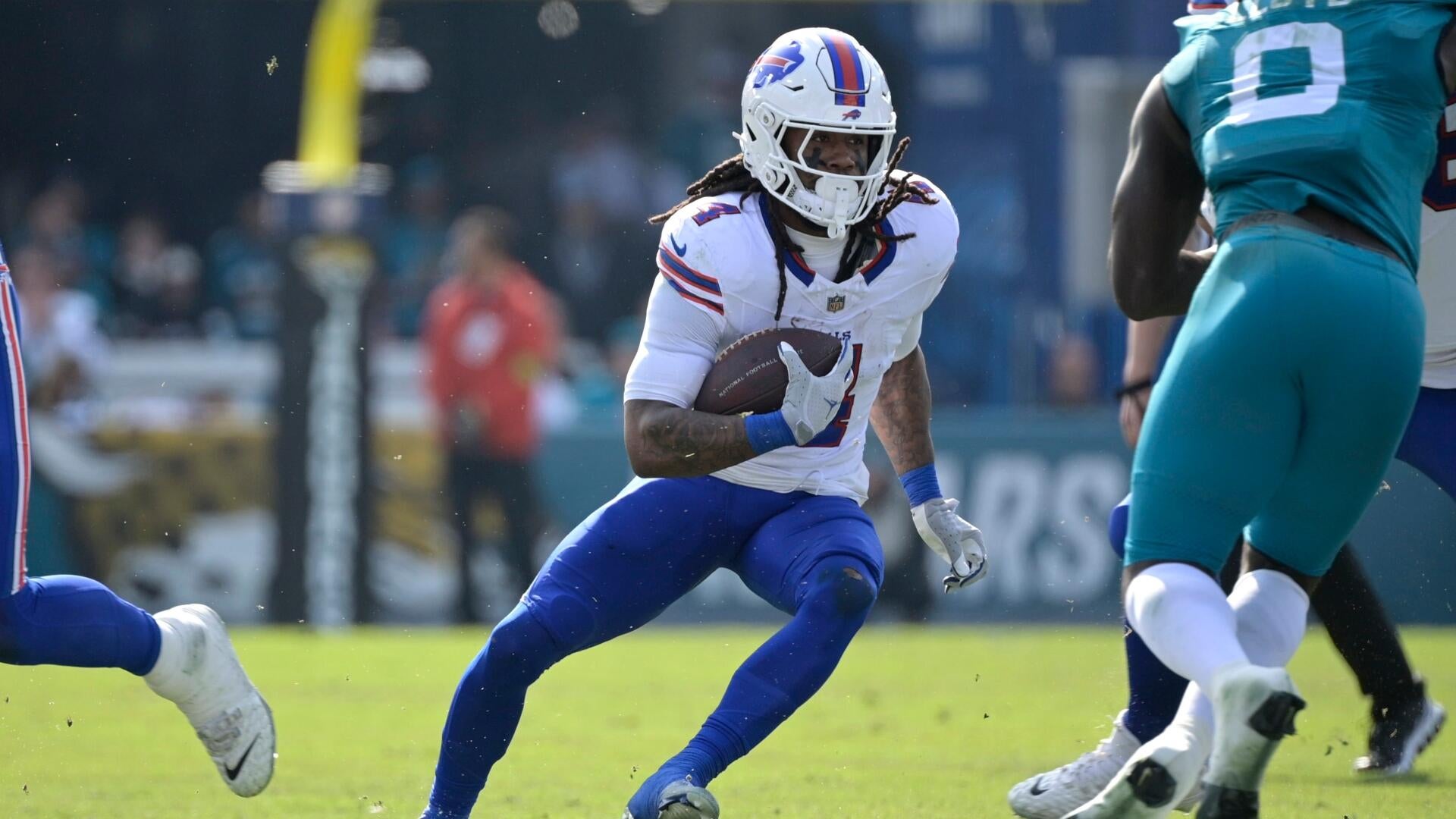
The projection engine at SportsLine has finished its first 10,000-simulation pass of the 2026 NFL season, and the early list of draft-day sleepers, breakouts and busts is now public. Two CBS Sports pieces published on 18 July 2026 walk readers through the model's output, with separate breakdowns for sleepers and for the broader sleepers-breakouts-busts tier. The headline names, Detroit tight end Sam LaPorta and Tampa Bay back Kenneth Gainwell, sit at the centre of the early cheat sheet, with Detroit's pass-catching role and Tampa Bay's backfield vacancy doing most of the analytical work.
Fantasy players who treat mid-July rankings as gospel will read these lists and recalibrate. They should not. The model is a probabilistic tool, not a verdict, and the offseason is far from over. What the simulations do credibly is weight volume: target share, snap share, red-zone usage, offensive line continuity. Read in that light, the names start to make sense on their own terms, even before training-camp reporting begins to firm up the picture.
What the model is actually ranking
SportsLine's methodology runs the full NFL schedule 10,000 times, varying individual player outcomes within empirically derived distributions and tallying aggregate fantasy-point totals for each simulated season. The point is not to predict a single outcome but to surface players whose projected distributions sit far from where the average fantasy manager is drafting them. A "sleeper" in the model's vocabulary is a name whose median projection is materially higher than his current average draft position; a "bust" is the inverse. Breakouts sit somewhere in between, typically players with one or two outcome modes that are excellent and a long tail of mediocrity.
The two CBS pieces on 18 July 2026 put a Detroit tight end and a Tampa Bay running back at the top of the early sleeper list. The Detroit case rests on volume. LaPorta has been a high-end target earner in a Ben Johnson-coordinated offence that finished the 2025 season among the league's most pass-friendly units. The Tampa Bay case is the opposite: opportunity by subtraction. With the backfield ahead of him thinned by offseason movement, Gainwell's projected snap share moves into a range the model has historically associated with RB2 fantasy production.
The counter-case for sceptics
The strongest objection to leaning on simulation output this early is that the inputs are still soft. Coaching staffs have not finalised depth charts. Injury recoveries have not been tested. The offensive line configurations that determine running-back efficiency are projected, not confirmed. A model that runs 10,000 iterations of a still-fluid roster will produce tidy-looking distributions around guesses.
The fairest read of the SportsLine lists, then, is as a starting framework rather than a finish line. They tell a fantasy manager which names the market is sleeping on, and which it has over-corrected toward. The value of the lists is in narrowing the watchlist, not in pre-ordering draft picks.
Why the structure matters
What is genuinely useful about a 10,000-run simulation at this stage of the calendar is not the bottom-line rankings. It is the ability to interrogate the distribution. A player with a tight, high-floor projection and a narrow ceiling is a different draft-day bet than a player with a wide, boom-bust distribution at a similar average. The model surfaces both, and the gap between them is where sharp drafters make their money.
For tight ends in 2026, the structural read is straightforward. The position has thinned out at the top, and the model is rewarding projected target concentration rather than raw name recognition. LaPorta fits that bill. For running backs, the structural read is about workload scarcity. Gainwell's projection rises because the backfield in front of him has fewer bodies than it did a month ago. The same logic, applied across the league, is what produces the rest of the sleeper list.
What to watch before draft weekend
Three things will move these projections more than any other variable over the next six weeks. First, training-camp reporting on snap-share battles, particularly in backfields where the starter is not pencilled in. Second, injury recoveries at positions where the model has baked in availability assumptions that are not yet tested. Third, preseason usage, which in modern NFL evaluation is a weaker signal than it once was but still moves volume projections at the margins.
The 18 July lists are the first public output of the cycle. They will not be the last. Fantasy players who want to use them well should treat them as a way to triage a watchlist, then let the next month of reporting fill in the distributions the simulations cannot yet see.
This article was filed by the Monexus staff desk. Where the wire frames SportsLine's output as a prediction, Monexus reads it as a probability distribution worth interrogating before draft day.