Explosions reported at US bases in Kuwait and Bahrain as alerts sound across the Gulf
Two Telegram channels reported fresh explosions at US bases in Kuwait and Bahrain in the small hours of 18 July 2026, with alerts sounding in both host countries within minutes of each other.
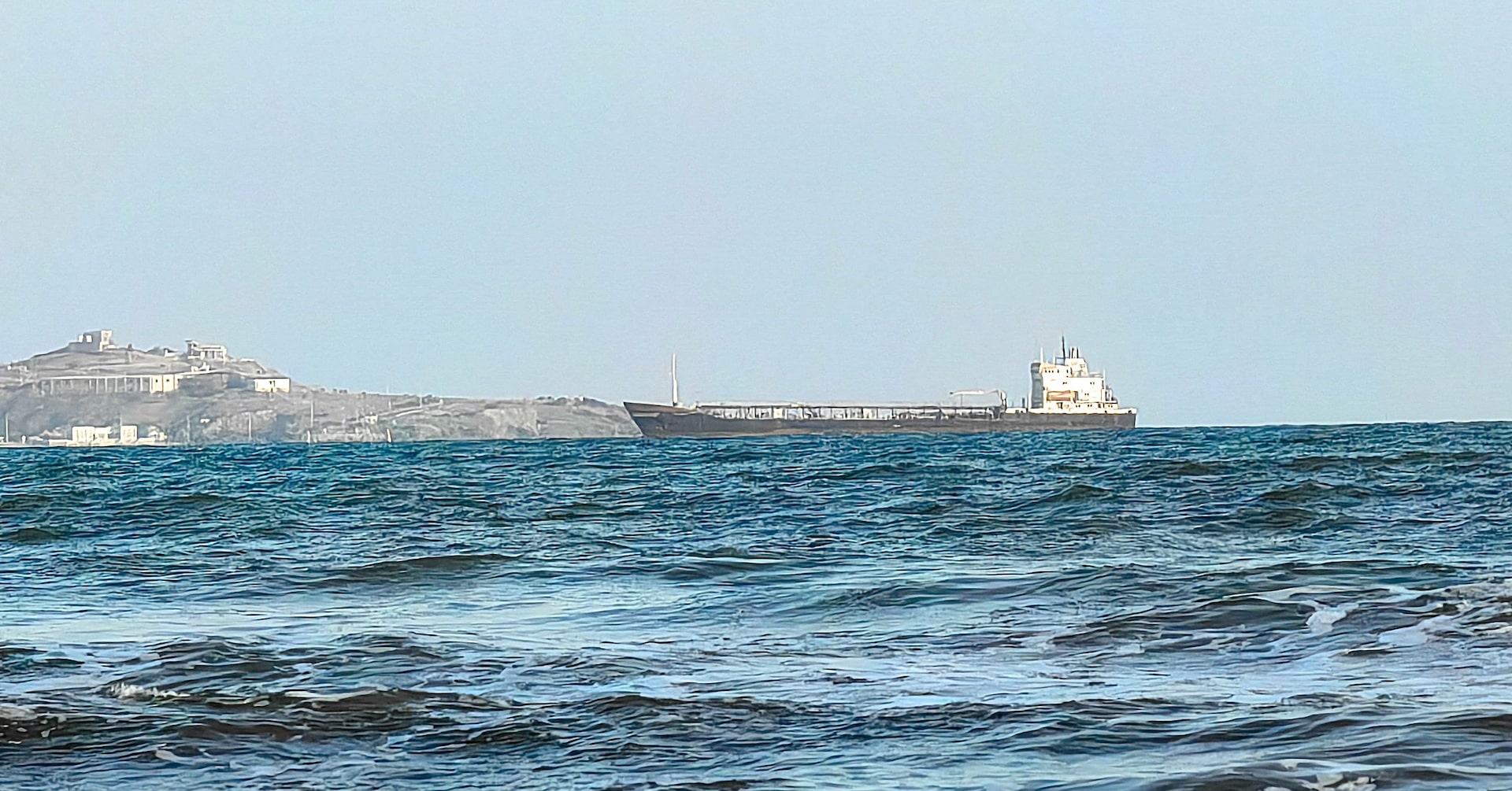
Two Telegram channels with a following among Gulf-war watchers reported fresh explosions at US bases in Kuwait and Bahrain in the early hours of 18 July 2026, with mobile-phone alerts reportedly sounding in both host countries in the minutes that followed.
At 02:25 UTC on Friday the channel wfwitness posted "Reports of explosions in Kuwait." At 02:27 UTC the Iran-affiliated Arabic channel Al Alam pushed an urgent bulletin reading "New explosions at US bases in Bahrain and Kuwait." Follow-up "Alerts in Kuwait" and "Alerts in Bahrain" messages from wfwitness landed at 04:14 UTC and 03:45 UTC respectively. Both channels have audiences of conflict-monitoring traders, journalists and military-flight spotters; neither carries the institutional standing of a wire service.
The sequence does not settle the question of what triggered either event. What it confirms is that, in the space of roughly an hour and a half, two adjacent Gulf states hosting US Central Command facilities lit up on Telegram feeds that have spent months tracking the wider Iran-US confrontation from the southern Arabian Peninsula. The locations, the timing and the channel pairing track closely with the pattern of reporting seen during previous rounds of escalation.
What the flashes actually were
The early-morning alerts are precise enough on geography and silent enough on details. Neither channel published video of impact, blast radius or intercepted munitions. The framing in Al Alam's bulletin describes them as attacks on US installations; wfwitness reports them more neutrally as "explosions."
That gap matters. In past Gulf incidents, the same kind of fog produced three days of disputed attribution before satellite imagery, debris analysis and US Central Command briefings settled the question. Kuwait hosts the Arifjan and Ali Al Salem air bases, both used by US Army and Air Force units. Bahrain hosts Naval Support Activity Bahrain, the permanent headquarters of the US Fifth Fleet. None of the reporting so far indicates which facility was hit, whether damage occurred, or whether Iranian-backed Iraqi militias, Houthi forces, or a domestic incident is implicated.
Why two channels, why now
wfwitness and Al Alam are not interchangeable. wfwitness is best read as an open-source flight and incident-monitoring outfit, the kind of channel that live-tweets ADS-B transponders and embassy evacuation notices. Al Alam is owned by Iranian state broadcaster IRIB and routinely carries Tehran's framing of regional security stories. When both are publishing about the same installations within two minutes of each other, the second is often amplifying the first, with Tehran's editorial gloss attached.
That procedural observation does not mean the underlying event is fabricated. The simplest read, consistent with prior Gulf exchanges, is that an attack occurred, open-source spotters picked it up, and Iran's Arabic-language arm pushed the story out with its own emphasis. It does mean that the version arriving in readers' phones has been shaped twice before it reaches them, and that the verifiable residue of the event – the crater, the satellite heat signature, the Central Command press release – has not yet been published.
What it sits inside
Whatever the proximate trigger, the events sit inside a longer pattern. Throughout 2026, Gulf bases, Red Sea shipping and Iraqi airspace have absorbed repeated, low-grade pressure from Iran-linked forces. The structural incentive, from Tehran's side, is to keep the cost of US presence visible without producing a casus belli that would unify a Gulf coalition behind Washington. From Washington's side, the corresponding discipline has been to absorb, attribute, and respond proportionately, with public acknowledgement often lagging tactical reality by hours.
The economics of the Gulf media environment make these openings cheap for Tehran and easy for spotters to seize. A single incident in Kuwait City or Manama becomes, within minutes, a wire for every trading desk watching Brent crude, every insurance underwriter recalculating war-risk premia in the Strait of Hormuz, and every diaspora newsfeed across the southern Gulf. Whether Friday morning's flashes move any of those needles depends on what US Central Command and the Kuwaiti and Bahraini interior ministries say next.
What remains unverified
Neither Telegram channel provides primary evidence of damage. Neither specifies which base or which munition was involved. Neither cites a military spokesperson. The first three hours of coverage, in other words, are crowd-sourced incident alerts rather than confirmed combat reporting, and the gap between the two will not close until official sources issue statements. Until then, the reporting records that something happened at the time and place stated; it does not yet record what.
The Reuters, AP and AFP wires have not, as of 04:30 UTC, carried bulletins on the events. The US Central Command public affairs office has not posted. The Kuwaiti and Bahraini governments have not, in these channels at least, commented. Each of those silences is informational: their break will be the first signal that this is a confirmed attack rather than an incident that fades out by dawn.
The base of cases keeps narrowing. If a wire confirmation lands within hours, the channels simply got there first. If nothing appears, the recordings will be re-read for noise.
, How Monexus framed this vs the wire: with no wire confirmation yet on the early-morning events, Monexus is treating the two Telegram channels as primary sources on the bulletin level and avoiding any casualty or attribution claims that the underlying reporting does not support. Read against the next Central Command briefing, not as a substitute for it.
Wire provenance
This editorial synthesis draws on the following public wire/social posts:
- https://t.me/wfwitness
- https://t.me/alalamarabic
- https://t.me/wfwitness
- https://t.me/wfwitness