England-France third-place playoff caps a World Cup light on glamour but heavy on fixture economics
The 2026 third-place match arrives as both federations already look past it, while bookmakers and rightsholders treat the fixture as a useful commercial milestone.
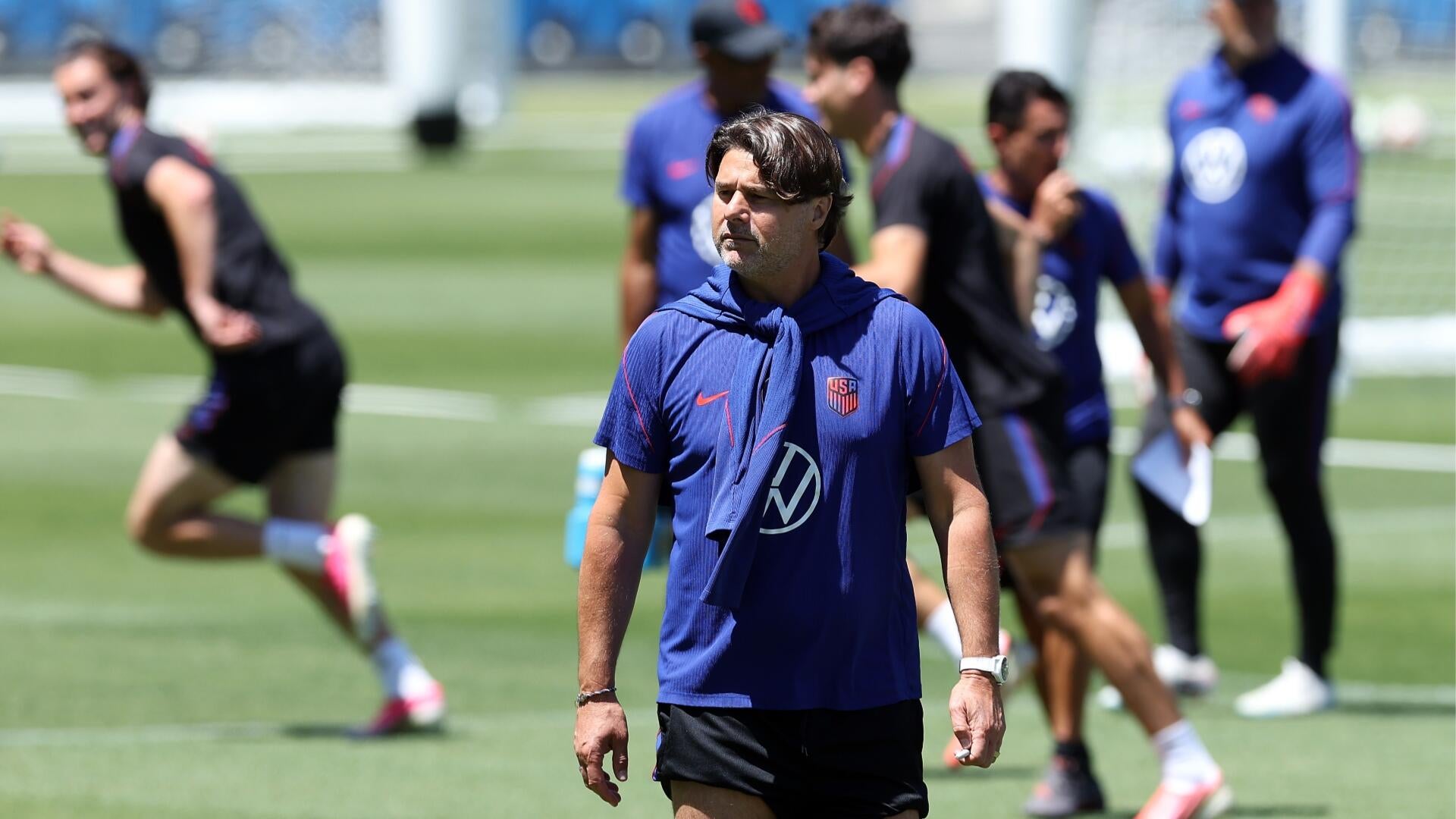
A World Cup third-place playoff was always going to feel like the tournament's holding room: two teams with nothing left to win and everything to avoid, slotted into the Saturday between the semis and the final. On 18 July 2026, that room belongs to England and France, whose meeting in the 2026 third-place match will decide who finishes one rung above the other on a leaderboard nobody asked for.
The fixture reads less as a sporting climax than as a logistical event with a sporting wrapper. Federations already have one eye on the next international window; broadcasters have already sold the final; and bookmakers are treating the match as a low-stakes distribution channel for new customer acquisition. The play itself is incidental.
The match as marketing funnel
DraftKings is running a $200 bonus-bets offer tied directly to the fixture, under which new users placing a first $5 wager on the England-France third-place match unlock the bonus balance instantly, as CBS Sports flagged in its 18 July 2026 promotional bulletin. The economics are familiar: a marquee but meaningless game converts better than a midweek friendly because traffic is already elevated and intent is already categorised as bettor.
The setup also tells you what sportsbooks think of the third-place match's pull. A $5 qualifying bet is a price-of-entry acquisition cost. The fixture is the wrapper; the customer file is the product. England's continued tournament presence, after an exit France did not manage to avoid, supplies the demographic gravity that makes the offer worth running in the first place.
What the broadcasters are doing with the airtime
ESPN's World Cup Daily is using the day to package the third-place match around celebrity tie-ins and cross-sport cameos, with the 18 July 2026 edition previewing the fixture through the lens of an all-star conversation featuring Lionel Messi and Tom Brady alongside Kevin Durant. The framing is telling: even the lead-in show is reaching outside football for attention.
That is not a criticism of the production. It is a description of the asset. A third-place match at a World Cup delivers the largest guaranteed concurrent audience the calendar offers outside the final itself, and rights holders optimise the surrounding hours accordingly. The football is the load-bearing column; everything else is decorative.
The teams have stopped pretending otherwise
England arrive at the game off the back of a semi-final exit that ended whatever narrative their federation had been selling about a generational squad. France, the reigning European power, will treat the fixture as a controlled de-risking exercise rather than a competitive opportunity. Neither side is under any illusion about what a win here compensates for, and neither manager is incentivised to show hand.
Selection logic will reflect that. Minutes will be managed for players carrying knocks. Set-piece routines will be rehearsed for September qualifiers. The substitutes' bench will read like an audit of who is fit enough to start a Premier League or Ligue 1 preseason. The football played will be, in effect, a training exercise with a result attached.
Stakes, such as they are
A third-place finish is worth a small uplift in FIFA prize money relative to fourth, and a marginal bump in the coefficients that feed European qualification seeding. For the players, there is the smaller question of individual milestones and the larger question of who leaves the tournament healthy. For the federations, the real contest is the one already underway behind the scenes: commercial renewals, sponsor audits, and the political economy of the next cycle.
That is the structural read of 18 July 2026. The match will be played. It will draw a large audience, deliver a result, and then be forgotten in the time it takes the finalists to walk out of the tunnel the day after. The economic activity around it, from sportsbook customer acquisition to broadcast cross-promotion, will outlast the football by months. The fixture is the wrapper, not the product.
Desk note: Monexus frames the third-place match as a commercial artefact whose sporting content is incidental. Wire coverage tends to treat it as a discrete game; we treat it as the final pre-final distribution window of the cycle.