Bitcoin's $64,000 retest and what a cooling CPI just did to the Fed trade
A second surprise US inflation print dragged Bitcoin back through $64,000 and cut September rate-hike odds from 43% to 13%. The trade underneath is now positioning, not direction.
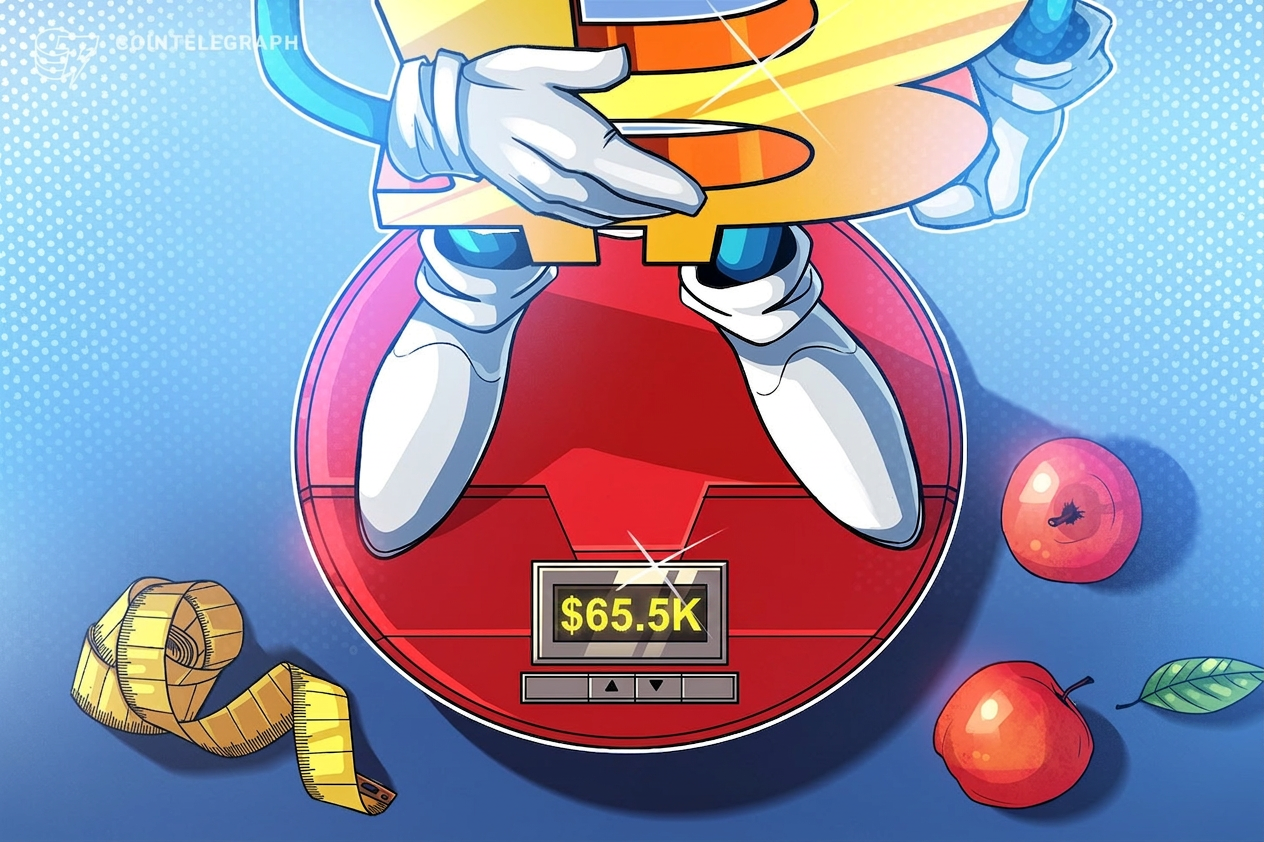
Bitcoin traded above $64,000 on 15 July 2026 for the first time in roughly three weeks, after a softer-than-expected US June CPI print reset expectations for the Federal Reserve's September meeting and pulled the rug out of the rate-hike trade that had been pressing the dollar and risk assets for much of the month. By 14:45 UTC the same day, the largest cryptocurrency had pushed through $65,500, its highest level since 22 June, according to Cointelegraph's markets desk. The move was not a thesis about crypto. It was a print about the dollar, and crypto happened to be on the right side of it.
The mechanics were unusually clean. A surprise cooling in headline consumer prices cut the implied probability of a September Fed rate hike from 43% to 13% in the space of a session, CoinDesk reported on 15 July at 05:19 UTC, citing futures-implied odds. Two days later, the producer-price index delivered a second consecutive downside surprise, the kind of back-to-back soft prints that markets treat as a regime signal rather than a statistical fluke. Bitcoin caught a bid through the middle of the week; oil's simultaneous climb put a partial ceiling on the rally. The crypto move, in other words, was a derivative of the rates move. The trade is no longer whether the Fed is hawkish or dovish in the abstract. The trade is how exposed each position is to the next print.
A second print does the work the first one started
Markets had already spent the first half of July pricing a Fed that was, at minimum, willing to deliver one more hike before year-end. That posture, reflected in elevated two-year yields and a stronger trade-weighted dollar, had kept Bitcoin pinned below the $62,000 range for the better part of two weeks. The June CPI release, which landed before the 15 July session in US time, changed the arithmetic. According to CoinDesk's overnight coverage, the print was the catalyst that took implied September hike odds from 43% to 13% inside a single trading window. Bitcoin, already buoyant on short-covering into the release, added to the move once the number crossed the wire.
The producer-price release on 15 July did not need to be dramatic to matter. It needed to be confirmatory, and it was. Two soft prints inside the same week is the threshold at which discretionary macro desks typically stop treating a soft number as noise and start treating it as the new base case. Cointelegraph's midday update flagged the PPI print as the second surprise of the week, framing the move as a continuation of a single narrative rather than a fresh one.
What the dollar trade has to do with it
Bitcoin's correlation with the trade-weighted dollar tightened meaningfully through the first half of 2026, to the point where a one-sigma move in DXY has been worth roughly 2% in spot BTC over a one-week window in several recent episodes. That linkage is not ideological. It is plumbing. A stronger dollar tightens global financial conditions, raises the cost of holding non-yielding assets expressed in dollar terms, and pulls capital back into US money-market funds offering 5%-plus yields. A softer dollar does the opposite, and the second half of last week was a textbook example: as DXY retreated from its July highs, spot BTC broke its three-week range to the upside.
The Coindesk day-ahead note for 15 July made the link explicit, describing the rally as one that had to digest both the inflation data and an oil market that was quietly complicating the picture. Crude's grind higher through the session, driven by tightening physical supply and renewed risk premia into the Strait of Hormuz, did cap Bitcoin's upside by New York trading hours. The asset is, in practice, running a three-way trade right now: against the dollar, against real yields, and against energy. Two of those three pointed up on 15 July. The third, partly, did not.
Positioning, not conviction
The clearest read of the move is that this is a positioning story, not a conviction story. Implied volatility on at-the-money one-month BTC options remained compressed relative to the spot move, according to the same CoinDesk coverage, which is the signature of a market being forced to chase a move rather than one being anticipated. Funding rates on perpetual futures turned positive but did not spike. Open interest grew, but at a pace consistent with new short-covering rather than a fresh wave of leveraged long exposure. The pattern is familiar: a positioning squeeze layered on top of a macro catalyst, durable until the next catalyst says otherwise.
That durability now depends on a specific calendar. The next Federal Reserve meeting is in September, and the futures curve has already begun to price in a cut probability that did not exist a week ago. Any Fed speaker between now and then who chooses to push back on the soft-CPI interpretation, or any July or August inflation release that runs hot, would compress the move as quickly as it extended. The September FOMC is the event the market is now trading toward, and the asymmetry is sharp: a downside surprise from here is a larger move than an upside one, because positioning is already short the dollar and long duration.
What the wire did not settle
The open questions are not about direction but about mechanism. Cointelegraph's coverage of the rally characterised the PPI surprise as supportive but did not specify how much of the move was spot demand versus forced short-covering in futures. The Coindesk day-ahead flagged oil as a complicating factor without quantifying the headroom it has taken off the rally. And the implied-volatility data, useful as it is, comes from a single venue and a single expiry strip; a fuller read would require cross-checking Deribit, CME, and offshore perpetual books against one another.
The honest version of the story is therefore narrower than the headlines. Bitcoin is higher because the dollar is weaker, the dollar is weaker because two US inflation prints surprised to the downside, and the market has not yet decided whether those prints are a regime change or a base-case revision. Until the September FOMC delivers its verdict, every move in BTC is, in effect, a leveraged bet on a meeting that is still seven weeks away. The trade underneath is positioning, and positioning, as any desk that lived through 2022 will tell you, is the kind of thing that exits faster than it enters.
This publication framed the rally as a derivative of the rates move, not as a crypto-native story. The wire coverage from Cointelegraph and CoinDesk on 15 July 2026 was consistent with that read, though neither outlet attributed a specific share of the move to short-covering versus spot demand.