Spa opens under grey skies: Belgian Grand Prix weekend gets the green light at 09:34 UTC
Free practice at Spa-Francorchamps is rolling after a green-light pit lane at 09:34 UTC on 18 July 2026, with FP3 the latest session cleared for action on a damp Ardennes Friday.
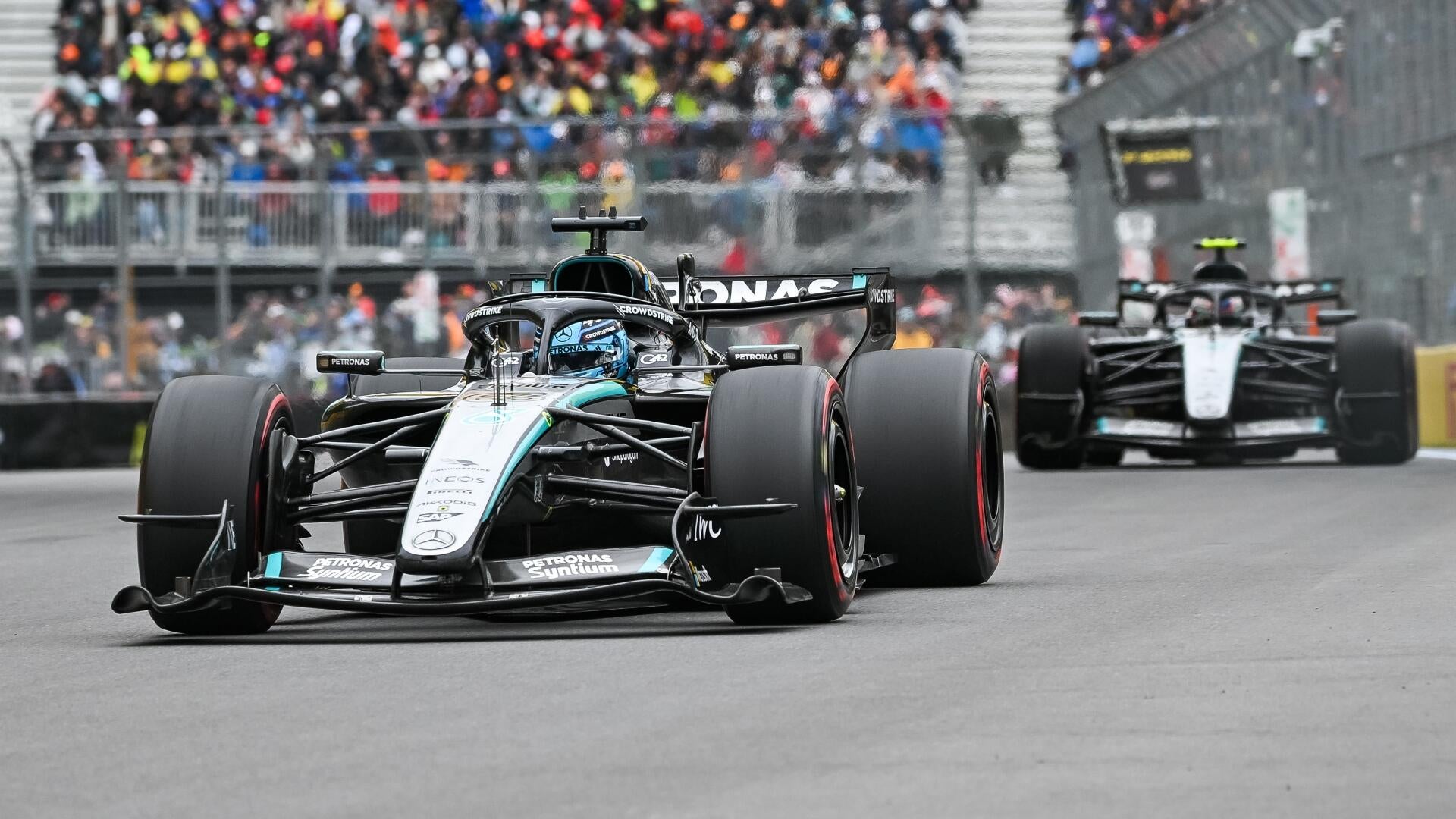
The pit-lane light flicked to green at 09:34 UTC on Friday 18 July 2026, and Spa-Francorchamps began its annual argument with the Ardennes weather. By 10:53 UTC the third free-practice session of the weekend had been cleared to run, confirming that the 2026 Belgian Grand Prix programme is on schedule despite a damp and temperamental Friday at the circuit in Stavelot, province of Liège.
The session markers telegraphed by Formula 1's official channel, three green lights in roughly 24 hours, matter more than they sound. Spa is the longest circuit on the calendar, its microclimate routinely traps half the field in rain while the other half runs on slicks, and any premature red flag compresses the limited running teams get before Saturday's crucial qualifying hour. For a paddock chasing development tokens under the new technical regulations, every green-light minute is a data minute.
The Friday that nearly wasn't
The weekend effectively began at 09:34 UTC on Thursday 17 July, when Formula 1's official channel signalled the pit lane open and confirmed the Belgian Grand Prix weekend "GO." FP2 followed at 13:04 UTC the same day, and FP3 followed at 08:53 UTC on Friday. The cadence reads smoothly in retrospect; in real time, it is the output of a small army of marshals, meteorological forecasts and the FIA race director's office balancing track-evolution data against the constant threat of low cloud and afternoon showers rolling off the Hautes Fagnes.
What the green-light feed does not say is who is on top. Friday running at Spa has historically been a misleading barometer, because the long-radius corners from Les Combes through Malmedy reward outright engine deployment, while the drying cycle after a wet morning tends to flatter whichever team gets its crossover window right. The headline times from FP1 and FP2 in official Formula 1 timing are therefore less informative than the long-run pace data teams will protect into Saturday.
What Spa actually tests
Two corners define the lap, and they define opposite virtues. Eau Rouge and the Raidillon complex, compressed into a flat-out uphill section that drivers used to lift through on caution, now demands a stable platform under the 2026 power-unit regulations. The run from Stavelot through Blanchimont and into the Bus Stop chicane at the end of the lap stresses braking stability and tyre-warm-up, the kind of work that punishes a poorly balanced chassis over 44 laps of racing.
That combination explains why Spa tends to widen the competitive field rather than compress it. A car strong in a straight line but nervous under braking into La Source loses time twice in one lap. A car planted through the middle sector but light on top-end speed will get run down on the Kemmel straight before it reaches Les Combes. Engineers talk about "Spa compromise" setups for a reason: there is no single optimum.
The order that hasn't settled
A paddock reading Friday's timesheets is doing exactly what the broadcast graphics urge them not to: drawing conclusions. The 2026 field has been compressed by the new regulations, with multiple teams running interchangeable update packages across the first half of the season, and Spa's stop-start weather cycles further blur the picture. Expect the usual pattern: one team flashes a headline time on a fresh-tyre run, another hides its long-run fuel loads, and a third uses the morning sessions to trial aerodynamic parts it will not race.
Qualifying, scheduled for Saturday 19 July, is where the real sorting begins. The forecast matters more than the practice times. A wet qualifying at Spa produces an order that bears little resemblance to the dry-pace hierarchy, and the race on Sunday inherits that distortion.
What to watch on Saturday
Three things. First, whether the field gets a clean qualifying hour, because a Spa weekend decided by grid penalties and weather tends to produce processional races. Second, the tyre allocation teams have chosen, since the medium-versus-hard choice at this circuit tends to dictate whether a one-stop is feasible. Third, who is willing to run a low-downforce package, a Spa classic that pays dividends on the straights at the cost of grip in the middle sector.
The green lights, the only thing the official channel confirms, are the small print. Everything else is inference, weather and arithmetic.
Desk note: Monexus is covering the Belgian Grand Prix strictly from the green-light feed and official Formula 1 timing windows, rather than team press releases. The point of Friday is not who tops the timesheets but whether the weekend runs to schedule.
Wire provenance
This editorial synthesis draws on the following public wire/social posts:
- https://t.me/formula1/
- https://t.me/formula1/
- https://t.me/formula1/
- https://en.wikipedia.org/wiki/Belgian_Grand_Prix