Netflix just put $587 million on the table for an AI shop most of Hollywood has never heard of
A federal filing reveals a $587 million cash price for Ben Affleck's three-year-old AI startup, and a rare look at how a streamer is buying its way into model infrastructure.
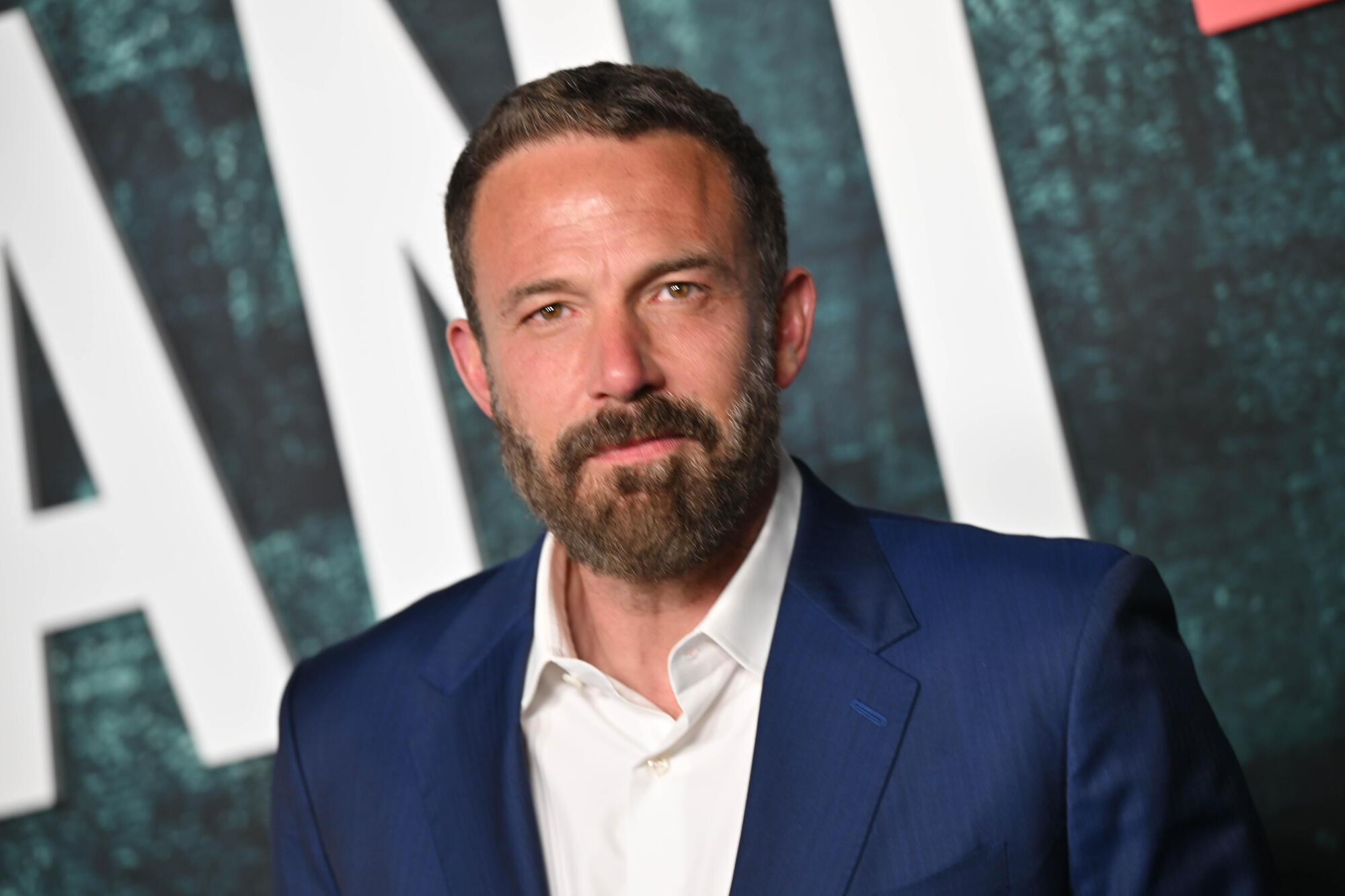
A federal disclosure dated 17 July 2026 puts a hard number on a deal Hollywood had been trading in whispers for weeks. Netflix paid $587 million in cash for InterPositive, the artificial-intelligence startup co-founded by Ben Affleck, according to a Form 10-Q the streamer filed with the Securities and Exchange Commission and reported by Variety the same day. For a company that was barely three years old and that the broader entertainment industry had filed under "peripheral," the price is a statement of intent dressed up as an accounting line item.
The disclosure matters less for what it says about Affleck, the actor and director whose name still opens films, and more for what it says about where the world's largest streaming platform thinks the next phase of its cost structure is going to be built. Netflix did not buy a content library, a finished product, or a slate of in-development shows. It bought a machine-learning shop and the engineers inside it. The 10-Q filing, as reported by Variety, makes the price tag explicit in a way that acquirer-friendly press releases usually do not.
What the 10-Q actually says
The filing is the kind of document that rarely produces a headline, which is why this one did. Variety reported on 17 July 2026 that Netflix's quarterly Form 10-Q with the SEC disclosed the $587 million in cash consideration for InterPositive, naming the figure and the form. A 10-Q is a routine quarterly report, but the acquisition detail sits inside the disclosures a public company is obliged to make about recent material transactions, and the number that has to appear there is the consideration actually paid, not the rumoured number that had been floating in trade press.
The filing does not, on the evidence available, itemise what InterPositive is supposed to do inside Netflix's pipeline in granular product terms. What it does confirm is the scale of the bet: half a billion dollars in cash for a private AI company that, until the disclosure, most of the entertainment trade would have struggled to place on a list of acquirer targets. For a streamer that has spent the last three years publicly paring its costs, the cash-out is the interesting part of the story.
Why the price is the point
Three readings of the deal are plausible, and the disclosure supports all three at once.
The first is the talent-acquisition reading: InterPositive gave Netflix a working relationship with Affleck and with the engineers he assembled around him, and the company wanted the option of that relationship without the friction of an arm's-length contract. Affleck remains an unusually bankable creative name in American cinema, and his producing and directing credits over the last decade have given him a second career that does not depend on whether he is in front of the camera. A $587 million purchase is, on this reading, a way to lock in access to a portfolio of relationships that would cost more to assemble on the open market.
The second reading is the infrastructure reading. AI tooling is no longer a research-and-development experiment inside the major studios; it is becoming a line item in the production budget. If a streamer wants a defensible position on automated editing, dubbing, visual-effects augmentation, recommendation, or content-safety screening, it has to own the model layer or rent it from one of the big cloud providers, which is the same thing as renting it from the same companies that rent to its competitors. Buying InterPositive is a way to insource that dependency.
The third reading is the optionality reading. The company has now paid a hard price for an asset whose resale value is unknown, whose revenue contribution is not disclosed, and whose product roadmap is not public. The filing, as Variety reported, simply states the price. The optionality is the bet that the asset will be worth more inside Netflix, three years from now, than the $587 million was on 17 July 2026.
The structural frame
What the wider pattern looks like is a consolidation phase inside the entertainment industry that looks more like the cloud-infrastructure market of the late 2010s than the content market of the 2020s. The streaming wars produced a handful of global platforms; the next phase is about who owns the machinery those platforms run on. Studios that ten years ago thought of themselves as content companies are now spending acquirer capital on model training, computer-vision pipelines, and dubbing infrastructure, because the marginal cost of a dubbed episode in 2026 is a function of the cost per inference, and inference cost is set by the firms that built the underlying models.
The structural read sits inside a broader pattern. The same week as the Netflix disclosure, the major American technology firms were continuing to pour capital into the model providers whose technology the streamers, by and large, do not own. A streaming platform that buys a model shop is buying a way to negotiate with the upstream model providers from a position of having at least one alternative, even if that alternative is mostly symbolic. Half a billion dollars is the price of a seat at the table inside the next round of model-economy bargaining.
There is a counter-reading worth taking seriously. The same $587 million could, on a different strategic theory, have paid for a slate of original films, a regional production house, or a long-term licence to a deep catalogue. The opportunity cost is the question. The bullish case is that the alternative uses of the cash would have been more expensive in the medium term than buying a model layer now. The bearish case is that the streamer has paid a strategic-premium price for a strategic asset whose strategic value has not yet been demonstrated in production. The disclosure does not, on the available evidence, let a reader decide between the two.
What is not in the filing
The 10-Q, as reported by Variety, is unusually forthright about the price and unusually silent about everything else. It does not itemise the product roadmap. It does not name the senior engineers joining Netflix as part of the deal. It does not disclose the revenue InterPositive generated before the acquisition, or the multiple Netflix paid relative to that revenue, or the retention packages for the founders. The filing's job is to put a number on the balance sheet; the product-strategy framing has to come from Netflix's earnings call, when it comes, or from press interviews that the company has not yet given.
What this publication would flag for the next reporting cycle is straightforward: the next earnings transcript is the first place the market will hear how Netflix plans to account for the $587 million inside its content and technology cost lines, whether the InterPositive team is being folded into a named division, and whether the model the startup built is being deployed against internal production workflows or against consumer-facing features. Until then, the filing is the cleanest evidence available that the world's largest streaming platform has decided the model layer is worth more than a small studio, a regional catalogue, or a long-term licence to almost anything else it could have bought with the same money.
This article reflects reporting from a single 17 July 2026 Variety disclosure. Where the 10-Q is silent, we have said so rather than inferred.