Truth Social, the President's feed, and the trader in the middle
President Trump promoted more than twenty companies on Truth Social days after his own trades moved in their direction, per CNN. Washington is still trying to write the rulebook.
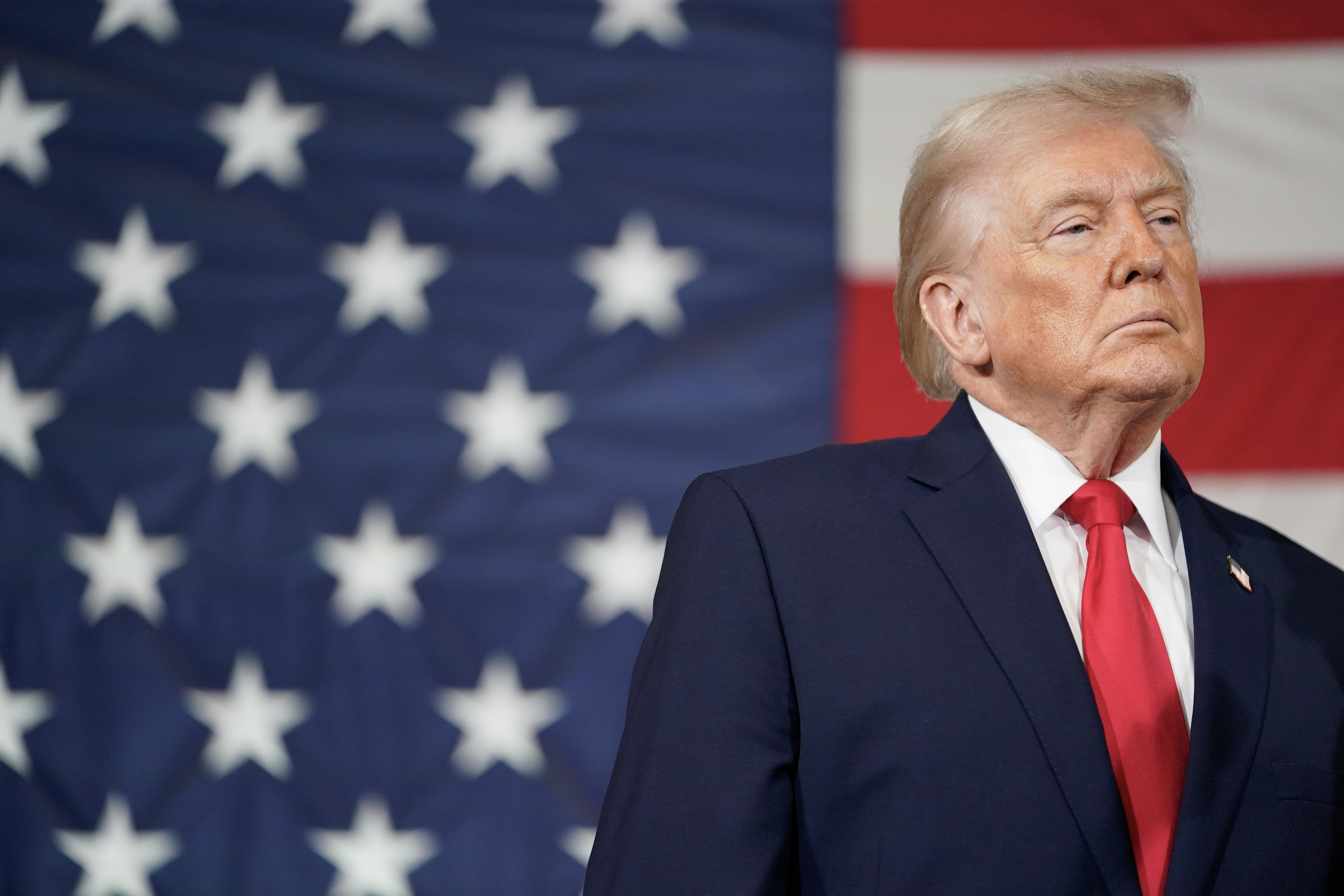
At 13:48 UTC on 16 July 2026, the Telegram wire lit up with a CNN finding that President Donald Trump had promoted more than twenty publicly traded companies on Truth Social in the days after his own purchases moved in their direction. By the next afternoon, the same network of finance feeds was carrying a separate disclosure: Truth Social's parent intends to sell traders and investors faster access to the President's posts, according to the Wall Street Journal.
Two stories, one platform, one political economy. The US crypto industry is pressing Congress for a market-structure bill it was promised would clear by year-end. A presidential megaphone and a private social network are now both inside the same question of who gets to see what, and when.
The feed, and the people paid to read it first
CNN's reporting, relayed by Cointelegraph and WatcherGuru on 16 July, describes a recurring pattern: Trump posts about a company on Truth Social; shortly before, his own portfolio has moved into that name. The pattern is reputational, not yet a charge. But it is the kind of pattern that, when it sits on top of a publicly traded social network, immediately invites the question of distribution. A post that tens of millions see within minutes behaves differently from a post only paying customers see within seconds.
That is the second story. Per the Wall Street Journal, via WatcherGuru at 19:49 UTC on 16 July, Truth Social plans to sell speedier access to the President's posts to a trader and investor audience. The company has not, on the public record, named a price. The framing alone changes the asset: latency is itself a tradable good.
Both threads rest on reporting by established outlets. The raw material in front of Monexus is the wire summary, not the underlying documents. CNN and the Wall Street Journal are tier-one publishers with decades of source discipline; their reporters put their names on this kind of story. That matters, because the temptation to read political motive into either item is high and the corroboration is currently thinner than the outrage cycle.
A market-structure bill stuck in its own process
While the President's feed became a market question, the legislative vehicle the crypto industry has been told to wait for was still crawling through the Senate. At 17:38 UTC on 16 July, WatcherGuru reported that the Crypto Clarity Act is not projected to be signed into law this year despite a meeting that day between President Trump and US senators to advance the bill.
A day earlier, on 15 July, the same outlet had reported the meeting was scheduled. The pattern across those two days is itself the story: the White House is now publicly leaning on a process that has, for the entire 2026 cycle, run behind industry expectations. The administration's decision to show up at the negotiating table is the signal; the calendar is the constraint.
Crypto Clarity, in its various drafts, is the unfinished business of the 2025 legislative push that mapped digital assets onto existing market-structure law. Its core promise is jurisdictional clarity: who regulates a digital token, under which statute, with what disclosure obligation. Industry has wanted it. The Securities and Exchange Commission and the Commodity Futures Trading Commission have been arguing about it. The bill has not crossed the line. Each week without a signature is a week in which the rules of the road are whatever the enforcement division of the moment decides they are.
The conflict of interest that won't sit still
A presidential social feed that moves retail money is not a new category of risk. Presidents have made markets twitch with offhand comments for as long as there have been markets. What is new is the convergence of three conditions at once: a President who trades individual stocks; a private platform whose primary content asset is that President's voice; and an industry that wants the regulator told, in statute, to stand down from large parts of crypto.
The CNN item is the surface evidence of the first two. The Crypto Clarity delay is the enabling condition for the third. Read together, the picture is of a regulatory environment that is being pulled in two directions at once. The White House is publicly supportive of an industry-friendly statutory outcome. The disclosure regime that would normally police a President stock-promoting is, at best, in transition. And the venue for the promotion is itself a private company with a near-monopoly on one specific speaker's voice.
There is a structural counter-story worth holding alongside the outrage. The President's standing to weigh in on industry policy is itself part of an elected office. Industry support for a sitting administration's bill is normal lobbying. Disclosure rules exist for this reason and are, in principle, capable of handling a President who trades. The question is whether the architecture is fit for the specific stress case: a head of state whose primary broadcast channel is also a tradable asset.
What the next thirty days will tell us
Three dates to watch. First, the Crypto Clarity Act's path through the Senate in the weeks ahead; the White House has invested visible capital in moving it and will want a result before the autumn window closes. Second, any formal disclosure filing or ethics-office action responding to the CNN reporting; the institutional response, or the absence of one, is itself a data point. Third, Truth Social's commercial rollout of the faster-access tier: pricing, customer base, and whether the offering is structured as data, as media, or as something in between that regulators have to categorise from scratch.
None of these resolve the underlying tension. A President with a personal portfolio will always face questions about his public statements. A private platform whose value is concentrated in one voice will always face questions about how that voice is sold. The unresolved piece is whether the statutory framework being negotiated this summer addresses that overlap on purpose, or whether it leaves it to be litigated after the fact.
Desk note: Monexus wrote this from the Telegram wire on 16 July 2026, anchored to CNN's reporting on Truth Social promotions and the Wall Street Journal's reporting on faster-feed access. The Crypto Clarity Act timeline is taken from WatcherGuru's two-day running summary of White House and Senate activity; the underlying bill text and committee markups were not in the source feed for this cycle and are referenced here only at the level of general description.
Wire provenance
This editorial synthesis draws on the following public wire/social posts:
- https://t.me/Cointelegraph
- https://t.me/WatcherGuru
- https://t.me/WatcherGuru
- https://t.me/WatcherGuru
- https://t.me/WatcherGuru
- https://t.me/WatcherGuru
- https://t.me/WatcherGuru