Trump's Truth Social stock calls, a Visa stablecoin push, and a Crypto Clarity Act huddle: three threads converging on one market
A CNN report on presidential Truth Social posts, Visa's 200-million-merchant stablecoin platform, and a White House meeting on the Crypto Clarity Act landed within 48 hours of each other. The signal is not the noise.
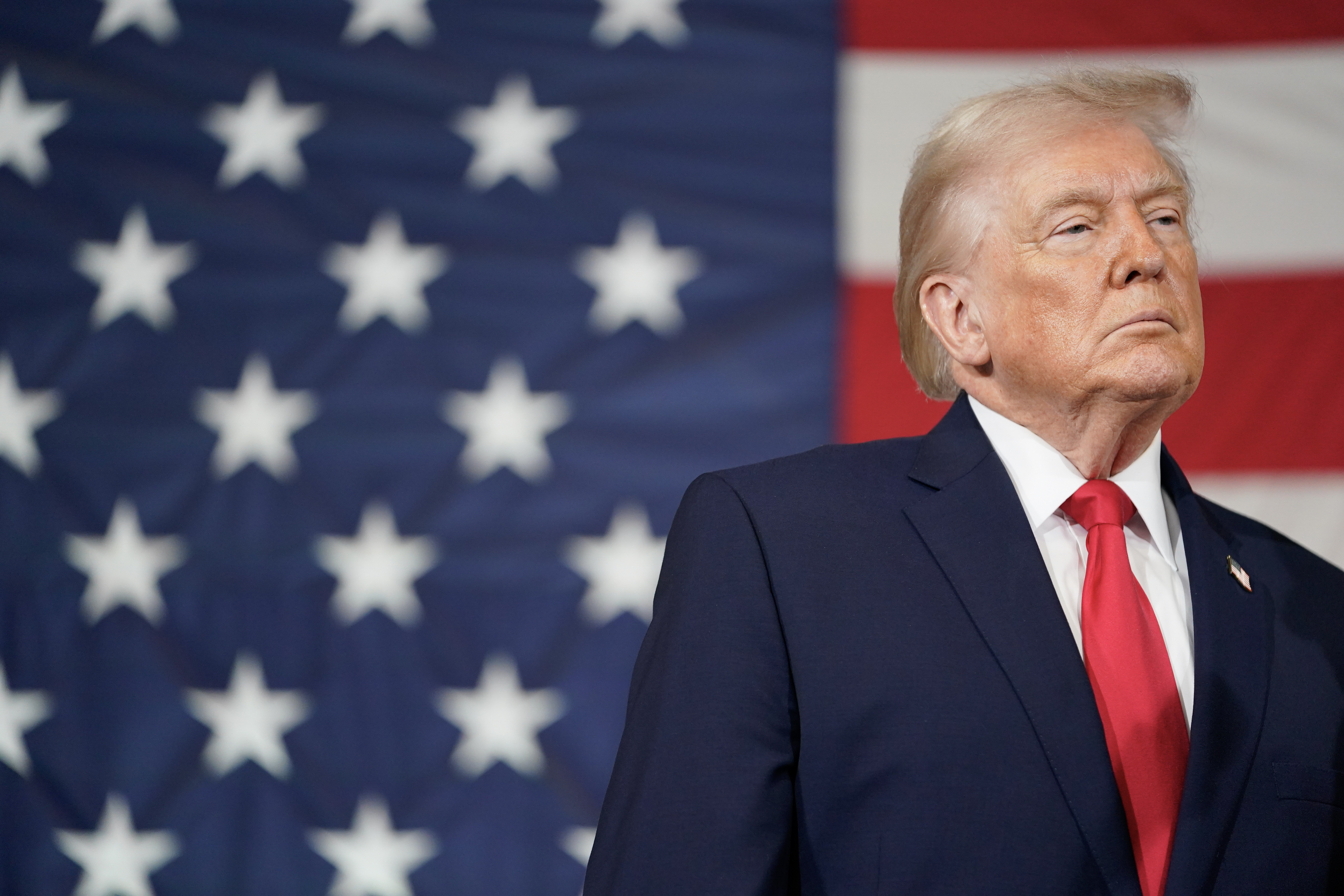
President Donald Trump used Truth Social on multiple occasions over recent weeks to promote companies whose shares he had purchased days earlier, according to a CNN report circulated by Cointelegraph and WatcherGuru on 16 July 2026. The pattern, as described in the wire, stretches across more than twenty listed names and turns a personal social-media account into a market-moving instrument whose signals are timed to trading desks that know where to look.
The same 48-hour window produced two other moves that look, on the surface, unrelated. Visa launched a stablecoin platform pitched at "more than 200 million merchants worldwide," per Cointelegraph on 16 July. And White House officials sat down with US Senators to advance the Crypto Clarity Act, first flagged by WatcherGuru on 15 July. They are not unrelated. A sitting president promoting individual equities, the largest payments network on earth integrating dollar tokens at checkout, and a legislative push to redefine which agency oversees digital assets are three threads of the same rope. The rope is the dollar's plumbing, and who gets to lay it.
The buy-then-boast pattern
The CNN reporting summarised in the Cointelegraph and WatcherGuru wires does not, as of this writing, allege market manipulation in the legal sense. What it describes is the sequence: a purchase, then days later, a public endorsement on a platform with the political reach of a presidential megaphone. The number given is more than twenty companies. The mechanism matters more than the count.
Truth Social is not a private diary. Posts from the @realDonaldTrump account move small-caps on sentiment alone; the regular reporting cycle has documented this since 2024. Add an equity position behind the post and the temptation to find a friendly ticker is obvious, even if the legal line between enthusiasm and tipping remains fuzzy. Disclosure rules for federal office-holders exist; the Securities and Exchange Commission's selective-disclosure regime was built for a slower information environment. A platform that posts in real time, a president who trades in real time, and a regulator that moves on enforcement timelines measured in years is the gap.
The counter-narrative is straightforward: presidents have always endorsed industries, and a sitting office-holder's holdings are publicly disclosed within the statutory window. Trump has pointed to his family's crypto ventures as part of a broader push to make the United States the "crypto capital of the world." That political project is real and traceable. The open question, which the CNN reporting sharpens but does not resolve, is whether the per-stock endorsements cross from policy preference into something the regulator can act on. Watch the SEC, not the White House, for the answer.
Visa's stablecoin storefront
Separately, and at roughly the same moment, Visa announced a stablecoin platform aimed at more than 200 million merchants. The Cointelegraph wire of 16 July frames this as a payments-network play: a digital-dollar rail sitting inside the existing card-acceptance footprint, with stablecoins functioning less as a speculative asset and more as a settlement format.
This is the bet the legacy financial plumbing has been making for two years. The pitch to a merchant is not ideological. Settlement in stablecoins compresses the float on cross-border payments, removes a card-network intermediary on the cheapest leg of the transaction, and gives corporate treasuries a programmable dollar that is, in theory, easier to reconcile than wire transfers. The pitch to a regulator is harder. A payments network integrated with stablecoin issuers sits one step away from money transmission, which is why the same week's Crypto Clarity Act meetings matter.
The structural read: Visa is not adopting crypto. It is colonising the on-ramp. The card rails survive because they attach themselves to whichever dollar format the merchant eventually accepts. If stablecoins become the default for a meaningful slice of e-commerce, Visa intends to be the connector, not the casualty. The 200-million-merchant figure is the leverage.
The Crypto Clarity Act and the agency fight
WatcherGuru's 15 July wires describe two distinct sessions. White House officials met with US Senators to advance the Crypto Clarity Act; a separate item had President Trump himself due to meet Senators on the bill a day later. The Crypto Clarity Act, in the form that has circulated on Capitol Hill through 2025 and 2026, is a turf-dispute bill dressed as a clarity bill: it determines whether the SEC or the CFTC has primary jurisdiction over the largest digital assets, and it sets the disclosure regime for token issuers.
The administration has signalled its preference for a framework that treats most non-security tokens as commodities. That tilt is friendly to the exchanges and stablecoin issuers who have built compliance teams around CFTC expectations. It is less friendly to enforcement theories that depend on broad SEC authority over the same instruments. Which side wins on jurisdictional allocation will determine who pays what fines, who registers with whom, and which agency's interpretive letters the industry reads at night. The Visa platform is, in this reading, a deposit on a particular outcome.
What the three threads share
Read separately, these are three news items. Read together, they describe a single coordination problem. A president with equity positions and a megaphone; a payments giant embedding a dollar-token rail at the merchant layer; a legislative push to decide which regulator owns the asset class. The dollar's plumbing is being rewritten in public, and the rewrite favours incumbents who can move at institutional speed.
The countervailing argument is that competition is exactly what crypto was for: a permissionless alternative to the card networks and the bank wires, not a feeder into them. From that vantage point, Visa's stablecoin platform is co-option. The legislative clarity is capture. The president's per-stock Truth Social posts are the visible tip of an alignment between political power and incumbent finance that the original cypherpunk pitch was designed to circumvent.
Both readings are partly right. The market's job is to price which one wins. The 200-million-merchant figure is the wager that, in practice, the convenience of a familiar rail beats the ideology of a clean break.
Stakes and what to watch
The next fortnight offers three concrete signals. First, the SEC's posture in any disclosure-rulemaking or enforcement filing that touches presidential holdings. The agency does not need to name the President to act on selective disclosure; a general tightening of the Reg FD perimeter would do the work. Second, the text of any committee draft of the Crypto Clarity Act. The jurisdictional-allocation language is the part that matters; everything else is preamble. Third, the merchant uptake disclosures from Visa's stablecoin partners in the first quarterly cycle after launch. If the 200-million-merchant number translates into actual settlement volume, the stablecoin thesis moves from narrative to line item. If it does not, the platform is a marketing brochure with a regulatory cover.
The CNN-sourced reporting on Truth Social stock promotions is the thread that will move fastest into litigation and slowest into legislation. The Visa announcement will move fastest into contracts and slowest into consumer behaviour. The Crypto Clarity Act will move slowest of all, and decide the most. All three sit inside one market, and that market is now being asked, politely, who it belongs to.
Desk note: Monexus treats the 16 July CNN-sourced reporting as the wire's lead; the Visa launch and the Crypto Clarity Act meetings as the structural context that gives the lead its weight. Where the wire runs the three as discrete items, this publication runs them as one story.
Wire provenance
This editorial synthesis draws on the following public wire/social posts:
- https://t.me/cointelegraph
- https://t.me/watcherguru
- https://t.me/cointelegraph
- https://t.me/watcherguru
- https://t.me/watcherguru
- https://t.me/cointelegraph