Ol Kalou test: Ruto, Gachagua and the calculus of a single constituency
A vacant seat in Nyandarua has become the most-watched by-election of the year, with William Ruto's statehouse and the Gachagua faction reading the same village for opposite signals about 2027.
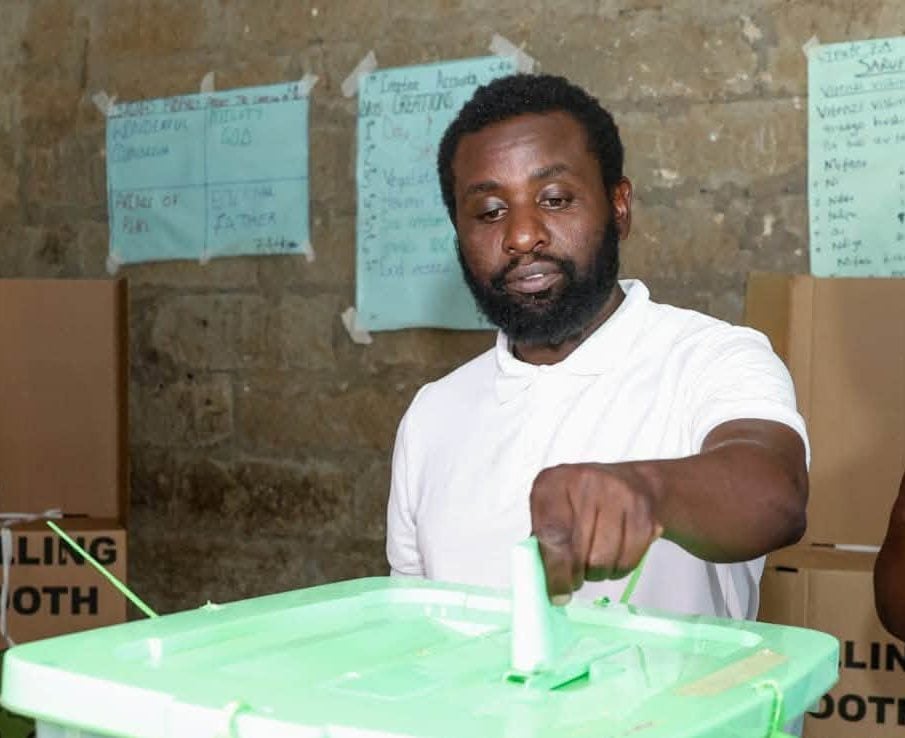
A single parliamentary seat in the cool, potato-growing hills of Nyandarua will be filled in the coming weeks, and almost every serious political actor in Nairobi is treating it like an opinion poll with a ballot box attached. The Ol Kalou constituency by-election, triggered by the death of the sitting MP, has been framed in identical terms by two rival camps: President William Ruto's statehouse and the faction aligned with former Deputy President Rigathi Gachagua, each of whom needs the result to confirm something the other needs it to deny.
The outcome will not, by itself, settle anything about Kenya's 2027 succession. Constituency contests are blunt instruments: turnout is low, the campaign is local, and the issues rarely scale. What makes Ol Kalou different is that it sits inside the Mount Kenya heartland that both men now treat as the decisive electoral battleground, and its voters are being read by two rival theories of the next general election.
Why this seat, why now
According to reporting carried on 16 July 2026 by both the Daily Nation and The Star, the contest has become a stress test for the uneasy split between the ruling coalition and the Gachagua-aligned opposition. The two outlets point to the same underlying tension: in Mount Kenya counties, the loyalty that delivered Ruto the presidency in 2022 is now being competed for in plain sight, and a by-election is the cheapest available laboratory. The Star's Thursday edition framed Ol Kalou as "a litmus test for Ruto and Gachagua" in its headline. The Daily Nation, in a separate analysis published the same morning, asked explicitly what the result will "mean" for the two principals.
Mount Kenya voters have historically delivered bloc support to whoever holds the larger ethnic coalition. That equation is now unsettled. Gachagua's exit from statehouse turned him into the loudest champion of a regional economic agenda, particularly on tea and coffee payouts, and a critic of the cost-of-living record that Ruto himself campaigned on. Ruto, for his part, cannot afford to be seen losing ground in his own backyard before the 2027 campaign opens in earnest. A poor showing for either side's preferred candidate in Ol Kalou will be read, fairly or not, as evidence of a deeper erosion.
The money problem underneath the politics
Politics aside, the by-election lands on top of a quieter crisis that the same day's papers flagged in passing. The Star reported that Education Cabinet Secretary Julius Ogamba blamed Treasury delays and budget gaps for a funding crisis in the sector, with schools owed capitation and universities struggling to keep doors open. Ol Kalou is not the constituency where this story will play loudest, but the two stories belong on the same page for a reason: any candidate who walks the constituency will be asked why the national government is unable to pay school fees and what they intend to do about it. The Treasury-versus-schools story is the kind of local concrete that national political theatre routinely forgets, then gets reminded of by voters.
The Gachagua question
Gachagua's standing in Mount Kenya is the harder variable to read. He retains the cultural fluency and the grievance platform that powered his rise inside UDA, but he no longer has the instruments of state behind him. A win for his preferred candidate in Ol Kalou would be read as proof that his appeal survives his removal from the executive; a loss would be read, in some quarters, as proof that it does not. The risk for him is that local factors, particularly the personality of the candidates and the credibility of the local opposition, get folded into a national narrative he cannot fully control. The Star, which tends to be closer to the statehouse line, has been quicker to frame the by-election as a referendum on the former deputy president; the Daily Nation has been more even-handed, treating it as a contest whose meaning will be assigned after the fact by whoever wins.
What the next six months will tell us
The structural pattern here is familiar across the region. By-elections in Kenya, Zimbabwe, and to a lesser extent Uganda have repeatedly functioned as signal flares for the next general election, with ruling parties treating them as a chance to demonstrate organisational depth and opposition movements treating them as a chance to demonstrate staying power. Ol Kalou will not resolve the underlying question, which is whether Ruto can hold Mount Kenya in 2027 without Gachagua, or whether Gachagua can convert his media presence into the kind of voter turnout that actually moves seat counts. It will, however, give both camps a number to quote, a turnout graph to publish, and a constituency narrative to weaponise in the months that follow. The vote is the test. The real examination comes after the count.
What the sources leave open
The reporting from 16 July identifies the stakes cleanly but does not name the candidates or detail campaign structures on the ground in Ol Kalou itself. Both papers explicitly treat the by-election as a national proxy, which leaves the constituency-level mechanics – who is standing, who is funding them, who is turning up to vote – undercovered relative to the volume of national analysis being applied. The Treasury-versus-education story is similarly thin on specific dollar figures in the available coverage; The Star attributes the funding shortfall to Treasury delays without quantifying the gap. Readers should treat the political framing as established and the economic framing as gestured at, not yet fully reported.
This article was written by Monexus. The wire framing in both Kenyan papers converged on the same metaphor – litmus test, signal, referendum – which suggests the editorial line on Ol Kalou is now set until the vote. The harder question, which neither outlet has yet answered, is which side will get to claim the result after the count.
Wire provenance
This editorial synthesis draws on the following public wire/social posts:
- https://t.me/TheStarKenya