Meta pushes parent alerts on teen self-harm as layoff fight hits court and Trump's Iran clock resets
Three separate threads converge on 16 July 2026: Meta's new crisis-alert system for parents, a federal court challenge to the company's July 22 layoffs, and a fresh 60-day window for US military action against Iran.
On 16 July 2026, Meta began notifying parents when their teenagers discuss suicide or self-harm with the company's AI chatbot, a policy shift that lands in the middle of a courtroom fight over the company's 22 July layoff date and a freshly reset 60-day clock for US military action against Iran.
Three threads that look unrelated on the surface are tightening into a single story about how one of the world's most consequential technology firms is being asked to behave like a regulated utility at the same moment its host government is preparing for another potential war in the Gulf. The connective tissue is not ideology. It is timing.
The new safety surface
The parental-notification system, reported by TechCrunch on 16 July 2026, is Meta's attempt to thread a needle that has tripped up every large model operator since OpenAI's first public safety incidents: how to be a confidant to a teenager in crisis without becoming a silent enabler. The default, until now, has been silence. Meta's new default is a notification to a parent's account when the system detects a conversation touching on suicide or self-harm, paired with what the company describes as resources for families.
The change arrives while US and European regulators are sharpening the question. Parents of teens who died by suicide after extended chatbot sessions have filed product-liability suits alleging that the platforms were designed to maximise engagement at the expense of vulnerable users. Meta has not been named in the highest-profile of those cases to date, but the company operates the same category of consumer-facing chatbot, and the regulatory logic cuts across brands. A feature that alerts a parent is, in plain terms, a small concession that the platform is responsible for what happens inside the conversation, not merely the conduit for it.
The courtroom dimension
Two days before the safety update was reported, a separate track opened in federal court. According to a 16 July 2026 post by unusual_whales citing the underlying filing, plaintiffs notified in May that their positions would be eliminated beginning 22 July are now seeking a preliminary injunction to block Meta from completing the layoffs. The exact court and docket are not specified in the source material; the claim is procedural and datespecific.
The layoff fight matters beyond the named employees. It is one of the first judicial tests of whether AI-displacement language is enforceable when a company announces workforce reductions tied to "efficiency" and "restructuring" without naming the model that does the displaced work. If the plaintiffs secure a preliminary ruling, the 22 July date becomes the first concrete deadline at which a major frontier-model employer has to defend, on the record, the specific productivity case for the cuts.
The new safety system sits awkwardly next to that courtroom calendar. Adding parent alerts in the same fortnight that the company is contesting a labour ruling on the basis that its automated systems make certain roles redundant is, at minimum, an interesting signal about which categories of harm Meta is willing to absorb responsibility for, and which it is not.
The wider backdrop
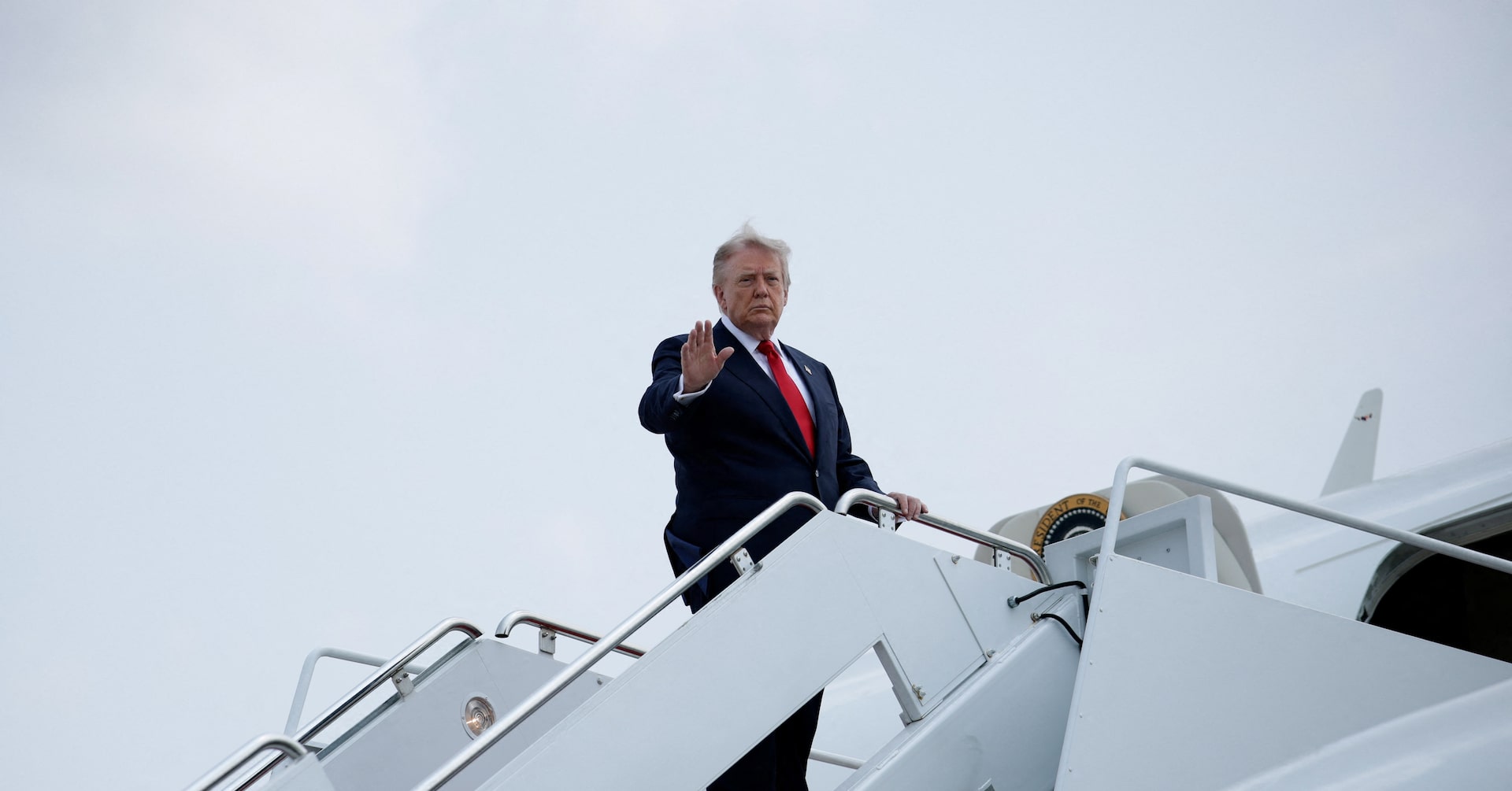
The third thread, reported by unusual_whales on 15 July 2026, sits outside the technology file entirely. The notification to Congress cited there gives the administration another 60-day clock to use military force in the region without fresh congressional authorisation. The piece does not specify which theatre or what triggering event, and the source describes the development as a procedural extension of executive war-making latitude.
The reason this matters for a Meta story is the pattern, not the policy. The same week that a platform governance question moves from press release to product feature, and a corporate labour question moves from HR letter to federal docket, the executive branch quietly resets a war clock. The platforms, the courts, and the war powers are three different branches of one larger question about who is responsible for what, and on whose authority. None of the actors are coordinating; the convergence is structural.
What to watch
Three dates now sit on the same calendar:
- 22 July 2026 is the layoff start date Meta's lawyers will be asked, in court, to defend or pause.
- The parent-alert rollout is the first real-world test of whether the new Meta policy generates the volume of notifications the company internally expects, or a fraction of it, and how parents respond when they receive one.
- The 60-day war clock resets the runway inside which any unilateral military action against Iran can be framed, fairly or not, as a continuation of existing authority rather than a new war.
None of these items is fully resolved. The TechCrunch reporting describes the alert system as a launch, not a measured outcome. The unusual_whales post on the layoff suit does not name the court or the docket, and the plaintiffs' likelihood of success on a preliminary injunction is not addressed. The Iran clock piece does not specify whether the notification references a specific incident or a routine reauthorisation. Monexus has not independently corroborated any of the three against primary court filings or agency notices; the source list is the input the pipeline read.
The honest read is that these three threads are individually credible and collectively suggestive. A platform that asks parents to trust its safety systems on a Friday is also, that same week, defending a Tuesday layoff in court, while the government that ultimately sets the rules for both platforms and wars buys itself two more months of unilateral latitude in the Gulf. The connective tissue is timing. Whether that timing reflects causation or coincidence is the question none of the source items can answer.
This article treats three source threads as a single timing cluster rather than as separate stories; each is reported against the single originating outlet, and no cross-source corroboration is claimed beyond the calendar alignment.