$288 million in seized crypto lands at Coinbase Prime, and Trump's no-sell pledge is back under the microscope
Two transfers of seized Bitcoin and Ether to Coinbase Prime this week have reignited debate over whether Washington intends to offload billions in confiscated holdings.
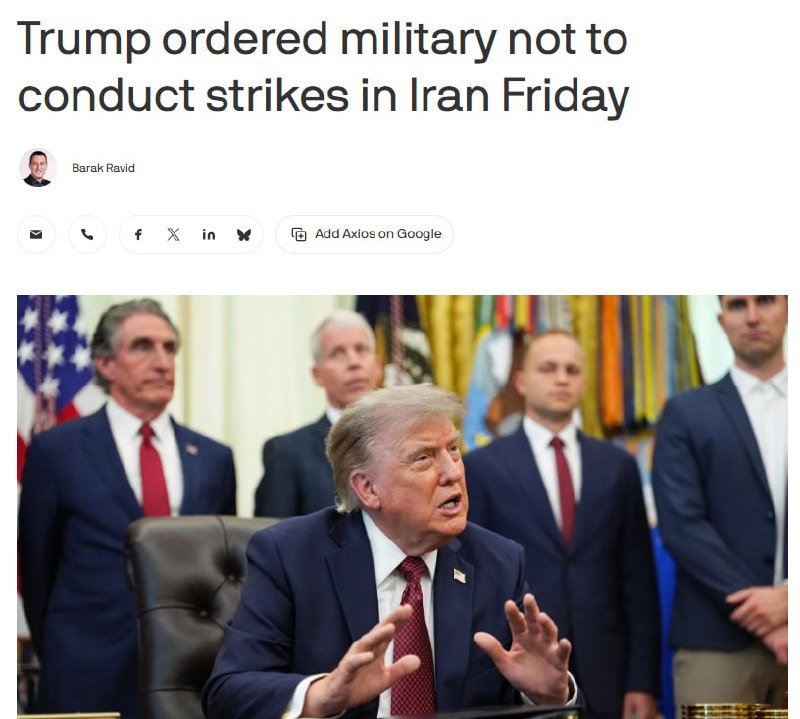
The US government moved roughly $288 million in seized cryptocurrency to Coinbase Prime on 14 July 2026, according to on-chain monitoring reported by Decrypt at 11:08 UTC. The deposit, traced to wallets associated with federal seizures, was followed within hours by a separate transfer valued at $297 million that Cointelegraph News recorded at 03:35 UTC the same day. Together the two flows put a half-billion dollars of confiscated digital assets inside the account the federal government uses with the exchange's institutional arm.
None of this is, strictly speaking, a sale. Coinbase Prime is a custody and prime-brokerage desk, and a deposit there is not by itself a liquidation event. But the optics matter. President Donald Trump entered 2026 promising that seized Bitcoin would sit in a federal reserve rather than be auctioned off, and every large transfer since has been parsed for signs that the pledge is being honoured, diluted, or quietly walked back.
The receipts
Decrypt, citing data from on-chain analytics, reported that one tranche of approximately $288 million landed at Coinbase Prime on 14 July. Cointelegraph News, working from a separate view of the same wallet cluster, put the day's combined movement at $297 million in Bitcoin and Ether. The two outlets' figures differ because they appear to be capturing overlapping but not identical slices of the activity, one weighed Bitcoin more heavily, the other included Ether positions that Decrypt's snapshot did not break out. Neither report claims the funds have been sold.
The mechanics are familiar to anyone who has watched US Marshal auctions since the Silk Road era. Seized coins sit in wallets controlled by the Department of Justice or the Marshals Service until a court orders disposal. Until recently the standard exit was a multi-lot auction block sold to a handful of institutional bidders. Coinbase Prime offers a quieter alternative: the government can park assets with a regulated custodian, borrow against them, or sell into the institutional order book in slices that do not crash the market and do not draw headlines.
What the no-sell pledge actually says
Trump's executive order creating a Strategic Bitcoin Reserve, signed in March 2025, treats forfeited digital assets as a stockpile rather than a windfall. The political appeal is straightforward. Crypto-aligned voters see a president refusing to dump confiscated coins on the open market. Fiscal hawks see an asset class being treated with the same seriousness as oil in the Strategic Petroleum Reserve. Sceptics see a quiet substitution: instead of selling, the government is now a holder, which means its future sales, when they come, will be larger and more market-moving than any single auction lot.
The transfers on 14 July do not contradict the pledge as written. They reinforce the suspicion that the pledge, as written, is doing less work than the rhetoric around it suggests. A reserve that grows by deposit is still a reserve, technically. It is also a balance sheet.
The counter-read
There is a serious case that the movement is administrative rather than directional. Coinbase Prime is the government's standing custodian for institutional crypto services; periodic rebalancing between cold-storage wallets and the custodian is normal plumbing. A sale, if one were planned, would show up as a different transaction type, a market order routed to the exchange's liquidity providers, not as a deposit to a custody account. On this reading, the transfers are housekeeping, and the headlines are noise.
That reading holds only if you treat Coinbase Prime as a neutral vault. It is not neutral. It is a counterparty. The exchange holds the government's assets, executes any future sales, and has a commercial interest in being chosen again. Every large deposit tightens that relationship. The custodian that custody becomes the dealer that deals, and the line between holding and transacting is thinner than the press releases suggest.
Stakes
The narrow question is what happens to roughly half a billion dollars of seized tokens. The wider question is whether the United States, having spent five years auctioning confiscated crypto in public lots, has shifted to a model in which the federal government holds digital assets as policy, with all the discretion and political exposure that implies. If it has, then every quarterly disclosure from the custodian becomes a market event, and the no-sell pledge becomes, in practice, a no-sell-until-we-decide-to pledge.
The sources do not specify whether any portion of the 14 July deposits has been earmarked for sale, pledged as collateral, or routed to a specific programme. The transfer records show movement; they do not show intent. That ambiguity is the point. The administration's critics and its crypto-aligned supporters can each read the same on-chain data and reach opposite conclusions, and the custodian is under no obligation to clarify which reading is correct until the next quarterly disclosure lands.
Desk note: Monexus framed this around the gap between custody and liquidation, rather than treating the transfers as either a non-event or a sale in disguise. The wire coverage focused on dollar amounts and the pledge; the structural question is who holds the keys and what that relationship turns into over time.