Gulf shipping and a crypto bill: Trump pairs maritime brinkmanship with a digital-asset sales pitch
A blockade on Iranian shipping and a digital-finance bill land within 48 hours. The sequencing is the policy.
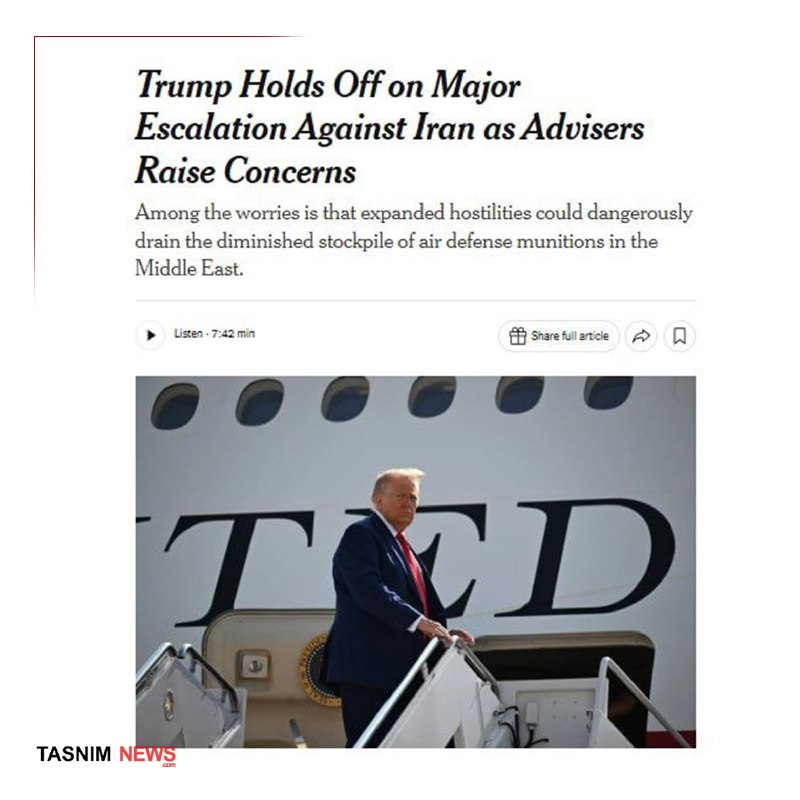
On 14 July 2026, President Donald Trump told the United States Senate to pass a bill called the CLARITY Act, framing the vote as a competitive referendum against China. Two days earlier, on 12 July, he had told reporters the United States was "taking over" the Strait of Hormuz. By 14 July the administration had moved to redirect a 20 percent reimbursement fee toward Gulf trade and investment deals while imposing what wire reporting characterised as a blockade on Iranian shipping. Brent crude traded above $79 a barrel on the Hormuz remarks.
Treat the two announcements separately and they look like standard-issue Trump theatre. Treat them as a sequence and a different picture emerges: an administration that is increasingly willing to attach dollar-denominated security guarantees to commodities and capital flows at the same time it presses Congress to write a domestic rulebook for digital assets. Crypto policy is the medium. Maritime control and energy pricing are the underlying currency.
The bill and the deadline
The CLARITY Act is the legislative vehicle US digital-asset lobbyists have spent the better part of two years trying to land. The argument the White House is now making is parity with Beijing. Trump told the Senate on 13 July that China wants to take "complete and total control" of crypto and artificial intelligence, and he warned that failure to pass the bill would let Beijing write the rules for both. The pitch is short and pitched to senators nervous about being out-campaigned on AI and crypto in the same cycle.
The political mechanics differ from the policy mechanics. SEC Chair Paul Atkins, speaking at a policy event on 14 July, said the agency was "modernising and clarifying" its rules to "bring innovators back to the United States", a phrase that doubles as a direct pitch to the issuer community that spent the past four years structuring token launches from Dubai, Singapore, and Zürich. Atkins's framing is permissive; Trump's is coercive. The combination, if it holds, is the closest the United States has come to an explicit industrial policy for crypto.
Gulf shipping as collateral
The Strait of Hormuz moves a substantial share of seaborne crude. Trump's 12 July statement that the United States would "defend" the waterway "and expect payment in return" reframed a US Navy mission that has historically been described as a free public good into a transactional service. By 14 July, the policy had been operationalised: the 20 percent reimbursement fee, previously a revenue-recycling tool inside trade enforcement, was tied to Gulf trade and investment flows, and an Iranian-shipping blockade was layered on top.
The sequencing matters. Maritime control produces a price signal at the pump. A digital-asset bill produces a domicile signal for token issuers. When the two land inside the same news cycle, capital can be rerouted through a single Washington filing cabinet. Gulf sovereign wealth funds with dry powder, US exchanges hunting listings, and token projects comparing Delaware against Dubai have been told, in effect, that policy and petrol will move together.
Beijing's counter-frame
China's official read is unsurprising and worth quoting at length. Chinese state-aligned commentary has framed the CLARITY push as proof that Washington is forced into competition precisely because Beijing has built a usable alternative. The argument is structural: central-bank digital currency pilots are live in multiple Chinese cities; cross-border settlement infrastructure is being built in renminbi; industrial policy across batteries, EVs, and now AI chips is coherent and directed. China's Q2 growth, reported by state outlets on 15 July at its weakest pace since late 2022, complicates the narrative but does not undercut the industrial-policy frame. Slowing GDP argues for belt-tightening, not for retrenchment from a digital-finance strategy that already exists.
The CLARITY Act pitch, that the United States must legislate to keep up, concedes a point the White House would prefer not to make: that the alternative infrastructure is, at least in part, already deployed. The bull case for the bill therefore has to be speed, not novelty, and that is exactly the case Trump and Atkins have settled on.
What a passage calendar looks like
The Senate votes when leadership allows the floor time. Atkins's modernisation comments arrived on 14 July, after Trump's CLARITY push on 13 July. That cadence suggests the administration is sequencing a regulatory drumbeat behind the political ask, speeches on what the SEC will do under the new law, then a vote on the law itself. If the bill lands in the weeks ahead, look for two proximate effects: a wave of US-incorporated token-issuer announcements, and a Gulf trade delegation of unusually senior ranks.
Iran's response remains the open variable. The 14 July blockade announcement is the kind of measure that has historically drawn retaliation in kind, including inspection seizures and convoy reroutings. Energy markets priced the threat: Brent above $79 a barrel on 12 July is a market telling policymakers that the dollar cost of the maritime posture is already on the ledger. Whether that cost is acceptable depends on the same calculation that decides whether the CLARITY Act gets a floor vote: how much political capital the administration is willing to spend on the assumption that the sequencing, and not the geography, is the point.
How Monexus framed this: the wire on 14 July carried two announcements as adjacent items; we treat them as a single policy gesture and steelman Beijing's read of industrial competition without endorsing it.
Wire provenance
This editorial synthesis draws on the following public wire/social posts:
- https://t.me/Cointelegraph/1
- https://t.me/Cointelegraph/2
- https://t.me/Cointelegraph/3
- https://t.me/Cointelegraph/4
- https://t.me/Cointelegraph/5
- https://t.me/Cointelegraph/6
- https://t.me/watcherguru/1
- https://t.me/watcherguru/2