Iranian drones strike inside Kuwait as Gulf airspace becomes a live testing ground
Kuwaiti air defences engaged hostile drones near the Iraqi border overnight, according to channels tracking regional security, in an incident that places the Gulf state inside a corridor Iran-aligned groups have used for months.
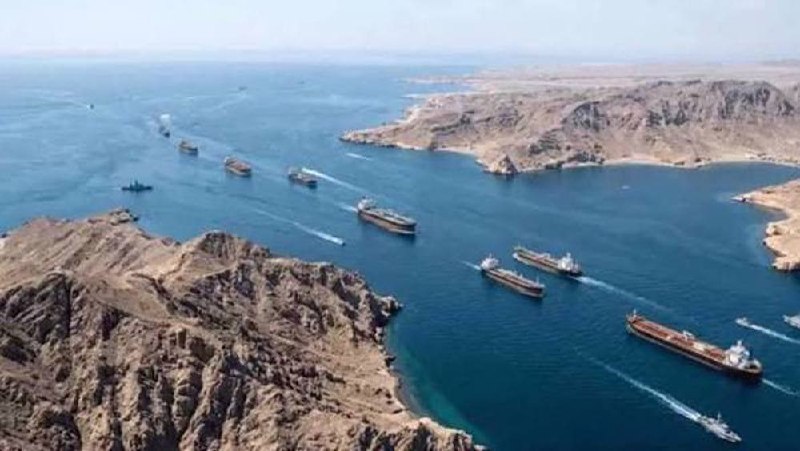
Kuwaiti air defences were engaging hostile drones near the Iraqi border late on 15 July 2026, according to the regional OSINT channel RNIntel, which reported at 22:56 UTC that intercepts were underway and that the aircraft were likely launched from pro-Iranian Iraqi groups. A second channel, Intelslava, reported at 22:36 UTC that an Iranian drone had struck a target inside Kuwait near the Iraqi border, without specifying what was hit. The two accounts, posted within twenty minutes of each other, differ on outcome but converge on geography and origin: a Gulf state is now inside the drone corridor that Iran-aligned Iraqi militias have flown for months.
The incident is small in material terms and large in signalling. Kuwait has not been a front-line target in the running exchange between Tehran, Washington, and Israel's air force. Iraqi militias, mainly the larger umbrella groups that emerged after the 2020 killing of Quds Force commander Qassem Soleimani, have used drones against US bases in Iraq and Syria, and, intermittently, against Israel. A Kuwaiti incursion extends that reach. Even one drone reaching the emirate is a calibration error by the launch party, or a deliberate widening of the target set, and the distinction matters for how the Gulf states read their own exposure.
What the wires say, and what they don't
Both channels in the thread attribute the launches to "pro-Iranian Iraqi groups", a category that includes the larger militias that answer, in varying degrees, to the Islamic Revolutionary Guard Corps' external wing. RNIntel's reporting is hedged ("likely launched"), which is consistent with how the channel has previously handled attribution when radar tracks and debris fields point one way but no group claims. Intelslava's claim that an Iranian drone, not an Iraqi-launched one, struck inside Kuwait is more specific and less hedged. Mainstream wires have not, as of the timestamps in the thread, published a confirmed strike inside Kuwait; the Kuwaiti government has not been quoted. Without a Kuwaiti defence ministry statement, a US Central Command read-out, or imagery of wreckage, the precise chain of events remains contested.
The plausible alternative read is that what the channels are tracking is intercept activity, not a successful impact. Air-defence engagements, particularly by Kuwait's Patriot and possibly its newer systems, can produce radar and radio traffic that observers on social channels read as confirmation of a strike. That is a less dramatic reading, but it is also the one that fits a pattern of militia probes that have more often been intercepted than landed.
The corridor, in plain terms
What the Gulf states have watched unfold over the past three years is the slow conversion of Iraqi and Syrian airspace into a low-cost missile and drone delivery network. The weapons are cheap by regional-standards, the launch crews are deniable, and the political cost to Tehran of an intercepted drone is near zero. The trajectory has been incremental: Iraqi bases used by US forces attacked in 2023 and 2024, a tanker seized in 2024, the Houthi campaign in the Red Sea pulling Western naval attention westward, and now, if the reporting holds, a Gulf monarchy inside the envelope. The structural shift is from proxies harassing an adversary's forward bases to proxies testing the air defences of states that have, until now, sat outside the firing line.
For Iran, the logic is leverage without escalation. A successful intercept inside Kuwait produces a diplomatic incident, an airspace closure, and a conversation about whether US Central Command's posture in the Gulf is sufficient. An intercepted drone does the same at lower cost. Either outcome raises the perceived risk of routine Gulf commercial flight, which is one of the few things that has, until recently, remained untouchable in the regional balance sheet.
What Kuwait buys and what it loses
Kuwait's strategic posture has long rested on quiet alignment with Washington, quiet mediation with Tehran, and an investment-grade reputation for stability. Its oil exports pass through the Strait of Hormuz, and its sovereign wealth fund is one of the largest in the Gulf. An active drone incident inside its borders, even one that ends in interception, complicates that posture in three concrete ways. Insurance premiums on overflights tick up. Foreign ministry staff in Kuwait City are forced into the same playbook their peers in Abu Dhabi and Riyadh have been running for two years, which costs diplomatic bandwidth. And the political space to act as a quiet broker between the United States and Iran narrows, because being targeted and being a mediator are harder to reconcile in public.
The Kuwaiti response is the next datapoint worth watching. If the defence ministry publishes a statement naming the launch origin, that is a deliberate escalation of attribution. If it treats the incident as a single event without naming a perpetrator, that is the older Kuwaiti instinct toward quiet containment. If it requests a US or allied presence change, that is the most consequential path, because it converts an intercept into a basing decision.
What remains uncertain
The thread does not specify what was struck, whether any intercept occurred, or which Iraqi group is implicated. The channels disagree on whether the drone was Iranian or Iraqi-launched. No Kuwaiti official has been quoted, no imagery has been published, and no wire service has, in the material available, confirmed impact. The honest read is that an incident occurred on or near Kuwaiti territory late on 15 July 2026, that regional OSINT channels are confident enough to publish, and that the shape of the event will only become clear once primary sources speak. Until then, the working assumption is that Iranian-aligned groups have, at minimum, probed Kuwaiti airspace, which is itself a step change worth taking seriously.
Desk note: Monexus is treating the OSINT reporting as a credible early indicator, not a confirmed strike, and has weighted the hedged RNIntel attribution over the more specific Intelslava claim until a primary source confirms impact. The editorial frame is that Gulf airspace is now a live testing ground for low-cost Iranian-aligned drone warfare, and that the interesting question is no longer whether the corridor reaches a Gulf monarchy, but how the monarchy chooses to respond.
Wire provenance
This editorial synthesis draws on the following public wire/social posts:
- https://t.me/rnintel
- https://t.me/intelslava