Strikes, screenshots, silence: what the Gulf overnight actually tells us
Reports of explosions at US-linked sites in Kuwait and Bahrain lit up Gulf and Iran-aligned channels within minutes of each other. The story on the ground, in the messages, and in the silence is more instructive than the strike itself.
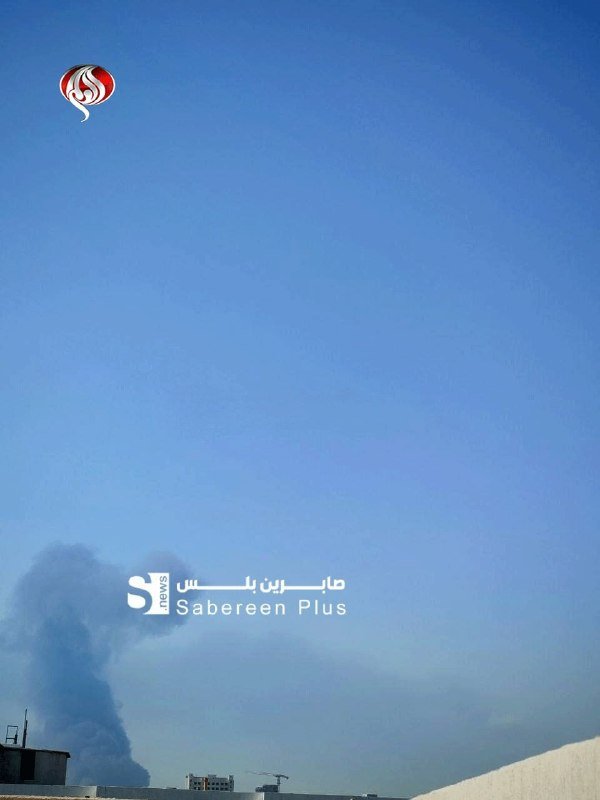
At 22:51 UTC on 15 July 2026, Iran's Fars News Agency posted on Telegram that "several explosions" had been heard in Kuwait, citing what it described as local sources reporting strikes on American economic interests and facilities. By 23:40 UTC, the Beirut-based outlet Al Alam Arabic was carrying the same account as "urgent," placing the loudest of the detonations at the US Ali Al Salem air base. Eleven minutes later, at 23:55 UTC, the open-source channel GeoPolitical Watch was flagging a parallel report from Bahrain, where the same news cycle now had missile detonations of its own to account for.
The single most useful thing about the first two hours of coverage is not what it tells us about damage, targets or attribution. It is the order in which the public found out. Iranian state-aligned channels moved first and named first. Western wire confirmation, at the time of writing, has not arrived in any form this publication can independently verify, and US Central Command has not, as of 23:55 UTC on 15 July, issued a public statement. The vacuum is being filled, predictably, by whoever shouts loudest in it.
What the messages actually say
Read chronologically, the thread is a near-perfect case study in how a story moves when the institutional press is slow off the mark. Fars posted twice on the Kuwait incident at 22:51 UTC and again at 22:53 UTC, framing the event as "Iran's retaliatory airstrikes directly hit American interests in Kuwait." Fars published a third item at 22:59 UTC explicitly identifying the Ali al-Salem base. Al Alam Arabic then amplified the Kuwait and Bahrain reports as "urgent" at 23:40 UTC and 23:45 UTC. GeoPolitical Watch, an English-language open-source channel, slotted in alongside with its own confirmations at 23:14 UTC, 23:34 UTC and 23:55 UTC. The Middle East Spectator account, a faster-moving English summary channel, posted its Bahrain item at 23:13 UTC.
The pattern is consistent: Iranian and Iran-aligned outlets setting the frame, then Arabic-language regional outlets carrying it, then English-language open-source channels translating it for a global audience. Western wire copy is, at best, hours behind. The result is a cycle in which the initial public narrative is built almost entirely from the side that claims credit for the strike.
Why the official silence matters
When a US base in the Gulf is struck, even in a confined incident, there is normally a fast public confirmation: a base spokesperson, an air-defense command, a defense ministry, a Pentagon press note. The lack of any such item by 23:55 UTC is itself a fact. It suggests one of three things, all of which carry their own risks. The first is that the strike is real and material enough that Washington is treating the initial communications cycle as a matter of national-security review rather than media management. The second is that the strike is real but limited, and the Pentagon is buying time to confirm the picture before naming it. The third, which no one in the open-source ecosystem is yet willing to entertain, is that the strike did not happen as described, and the official silence is a deliberate refusal to dignify an unverified Iranian frame.
What is missing from the thread is telling. There is no figure for any interception rate. There is no count of incoming projectiles, of impact sites, of casualties, of facility damage. The Bahrain side is even thinner: GeoPolitical Watch's 23:14 UTC item claims "two interceptors failed" and "impacted in Bahrain," but that is a single-channel claim with no corroborating imagery, sensor data, or named military source attached.
The frame the wire will not catch
In a normal Gulf incident, the Western wire covers the event, then adds a paragraph noting Iranian or Houthi claims of responsibility. Here, the wire is not on the story yet. That inversion is the story. It means the dominant public account of a strike on US territory is being constructed, in real time, by the side claiming to have launched it. Whether the underlying facts match the frame or not, the frame is what the world reads first.
The structural pattern is familiar from earlier cycles in 2024 and 2025. When official channels hold back, non-official channels fill the space, and the side with the most organised message operation tends to win the first twelve hours of any news cycle. The Gulf's media ecosystem has spent two years building exactly that muscle. The thread tonight is its live-fire exercise.
What to watch in the next twelve hours
Three checkpoints will determine whether the overnight reporting holds. First, does a US Central Command read-out, or an equivalent defence-department statement, confirm strikes at the named sites in Kuwait and Bahrain within the next operational day. Second, do independent outlets on the ground in Kuwait City and Manama, including wire stringers, produce corroborating imagery, audio or sensor data. Third, does the Iranian official messaging machine move from Telegram posts to a formal foreign-ministry statement, which would lock in the political claim of responsibility regardless of the operational outcome.
Until then, the thread is a signal, not a record. It tells us how the early frame is being built, and by whom, more than it tells us what actually detonated, where, or why. The story of 15 July 2026 will be the story of whoever fills the silence first.
This article was written using only material circulating in open-source and Iran-aligned channels at the time of publication. Western wire confirmation was not yet available; readers should treat all damage and interception claims as preliminary.
Wire provenance
This editorial synthesis draws on the following public wire/social posts:
- https://t.me/FarsNewsInt
- https://t.me/alalamarabic
- https://t.me/GeoPWatch
- https://t.me/Middle_East_Spectator