Bitcoin slips as U.S.-Iran flare-up lifts oil and rattles ETF optimism
Two days of escalation around the Strait of Hormuz have dragged bitcoin below recent ranges even as spot ETF flows point to underlying demand. Polymarket now puts the odds of an Iranian withdrawal from a regional MOU at 31% by month-end.
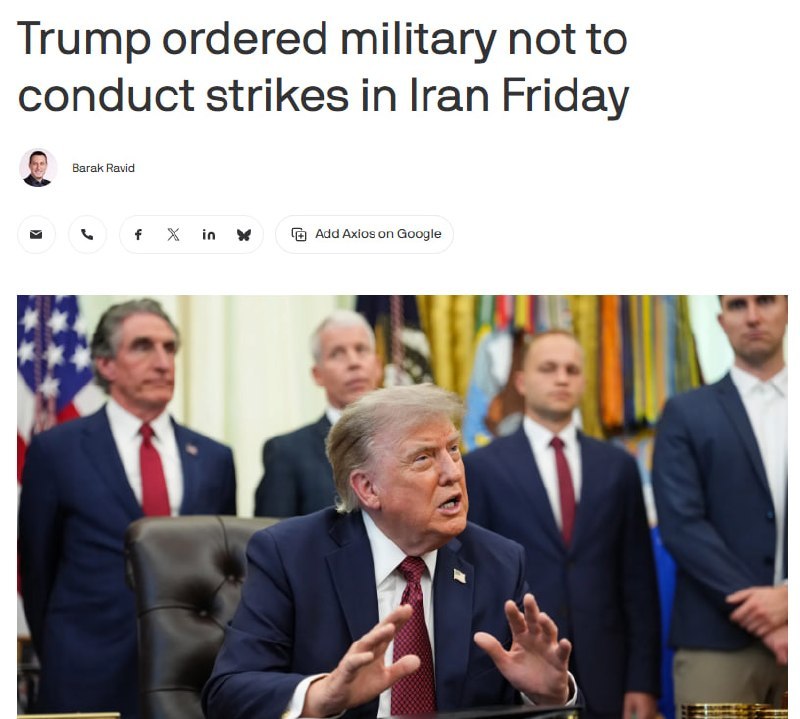
At 11:15 UTC on 14 July 2026, Coindesk's day-ahead note flagged a familiar pattern: spot bitcoin trading lower on the session, U.S. equity futures soft, and Brent crude climbing as the headlines out of Washington and Tehran hardened again. By the evening of the same day, the prediction market Polymarket was pricing a 31% chance that Iran formally withdraws from a regional memorandum of understanding before the calendar flips to August. The market is not pricing war; it is pricing the diplomatic equivalent of a door slamming shut.
Bitcoin has spent the better part of two sessions behaving exactly the way its boosters do not want it to: as a high-beta risk asset, correlated with the Nasdaq, sensitive to crude, and indifferent to its own demand story. Coindesk reported on 13 July that spot bitcoin ETF flows continued to show underlying demand even as the price retreated, and the 14 July note confirmed the same dissonance: institutional accumulation persisting into a selloff driven by geopolitics rather than crypto-native factors. The bid is real. So is the macro headwind.
Oil does what oil does
Crude is the cleanest read on the U.S.-Iran story. Coindesk's 14 July day-ahead noted oil climbing on the escalation, and the 13 July note had already recorded the move higher tied to resurgent hostilities. The mechanism is straightforward. Tehran's threats against shipping in the Strait of Hormuz, or even the credible rumour of them, put a risk premium back into a barrel that had drifted lower through the spring. Higher diesel and jet fuel feed into inflation expectations, which feed into rate-path expectations, which feed into discount factors on long-duration assets, including the largest cryptocurrency.
This is the transmission belt that bitcoin's institutional buyers are now navigating. They are buying into a market whose marginal price is being set, at least for these two sessions, by events in the Persian Gulf and the political signalling out of the White House. The ETF complex absorbs the flow. The macro tape sets the tone.
The MOU and the 31% number
Polymarket's contract, posted on X at 19:03 UTC on 14 July, asks a narrow, technical question: does Iran formally withdraw from the MOU by the end of the month? The market is pricing that at 31%. The figure matters less for its precision than for what it implies about base rates. A month-end withdrawal is the second-most-likely outcome priced; the most likely outcome is that Tehran stays in the agreement but degrades compliance, sanctions the occasional tanker, and lets the diplomatic temperature simmer.
The MOU in question, which the prediction market does not name in the post itself, sits inside a broader regional architecture that includes Iraq, Oman, and the Gulf monarchies as quiet intermediaries. Iran's threat to walk away is a tool, not a verdict. Walk-out prices in the 30s because the cost of actually leaving, in sanctions exposure and isolation, is still higher than the cost of staying and complaining.
For crypto markets, the read-through is indirect but real. An Iranian withdrawal would harden the oil bid, lift the dollar through the safe-haven channel, and tighten financial conditions globally. All three work against risk assets in the near term.
ETF flows say something different
The structural story beneath the price action is that spot bitcoin ETFs are still absorbing supply. Coindesk's 13 July note explicitly framed the day's selloff as one driven by U.S.-Iran headlines rather than by demand erosion, and the 14 July wrap pointed in the same direction. Net creations have held in positive territory across the recent sessions. Authorised participants continue to arbitrage the price gap between the ETFs and the underlying.
That is a meaningful signal, but it has limits. ETF demand tells you that the allocator base for bitcoin has thickened. It does not insulate the asset from a multi-week risk-off driven by an actual kinetic event in the Gulf. The 2024 and early-2025 episodes, when Iranian proxies struck regional infrastructure and oil spiked, are the relevant prior: bitcoin sold off with everything else, recovered over weeks, and the ETF complex kept buying the dip. The pattern, if it repeats, is discomforting but survivable for the long-biased allocator.
What the price is actually telling us
A market that drops on geopolitical news while absorbing supply at the ETF level is pricing two things at once: near-term uncertainty, and medium-term confidence. The discount rate on bitcoin has gone up. The terminal value has not. That is why the pullback has been orderly rather than cascading.
The risk to that read is asymmetry. A 31% Polymarket-implied probability of an Iranian MOU withdrawal is not high, but the conditional impact of one would be large. If Tehran walks out, the oil bid widens, the dollar strengthens, and the discount-rate channel does more work against bitcoin than the ETF demand channel can offset in the short run. The same arithmetic applies, with more force, to any actual closure of the Strait.
For now, the market is reading the U.S.-Iran story as noise to be traded through. The Coindesk day-ahead cadence has been useful precisely because it separates the macro overlay from the asset-specific tape. The overlay is loud. The tape is steady. Both can be true until they cannot.
Stakes and what to watch
Three signals will determine whether the 14 July selloff deepens or fades. First, the official U.S. and Iranian readouts over the next 48 hours: a de-escalatory line from either side would compress the oil premium and let risk assets recover the lost ground. Second, the daily ETF creation and redemption data: a flip to net outflows, even a small one, would confirm that institutional demand is price-sensitive at current levels. Third, Polymarket's MOU-withdrawal contract: a move above 40% would mark a regime change in the diplomatic pricing; a drift back into the low 20s would confirm that the 31% print was the market pricing theatre, not the market pricing withdrawal.
The honest summary is this. Bitcoin's correlation to crude and to the Nasdaq has been visible for two sessions. The underlying bid is intact. The macro tape is being set in the Persian Gulf, and the Gulf is not a price-taker.
This article was framed against Coindesk's daily market notes and a Polymarket contract active on 14 July 2026. Where the public reporting summarised the U.S.-Iran escalation without naming specific officials, that omission has been preserved rather than filled in. The 31% figure is the live print at the time of writing and is subject to change.