Twelve names in twelve hours: the daily arithmetic of Gaza, recorded
By mid-afternoon on 14 July 2026, Gaza English Updates and the BBC are already counting separate dead from separate strikes. Reading the wires side by side is the closest thing to a daily audit of a war that admits no audit.
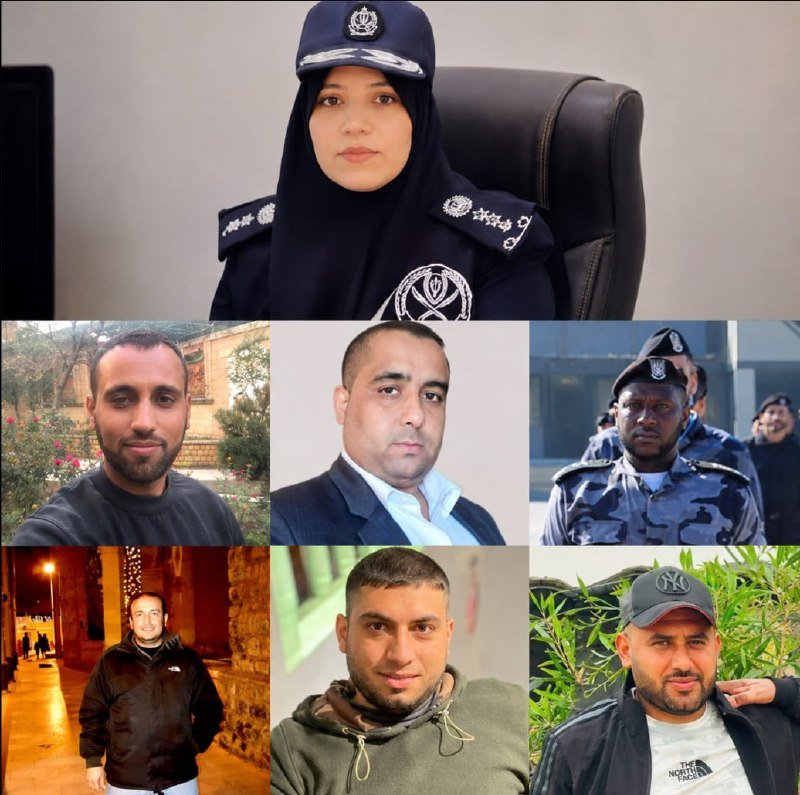
By 17:03 UTC on 14 July 2026, the Telegram channel Palestine English Updates had already run two casualty tallies for the same day: nine martyrs "since this morning" in Israeli raids across several areas of the Strip, then a revised figure of twelve "since dawn today" once more names had been confirmed. Ten minutes later, BBC News filed a separate count of seven killed in a single Israeli strike on a Hamas-run police post in north Gaza, including a senior officer, with the Israeli military saying it had targeted "terrorists." By 17:28 UTC, Al Alam Arabic was flashing a fresh urgent bulletin: a "massive bombing operation" in the Qaizan Al-Najjar area south of Khan Yunis.
None of those three counts claim to describe the whole day. Read together, they describe a routine in which the day's dead are not reported once but counted in overlapping ledgers, each ledger produced by a different part of the information ecosystem with different access, different incentives, and a different audience. The arithmetic of Gaza is now a multi-source accounting exercise, and the wire services are no longer the slowest tier of it.
The early-shift tally
Gaza English Updates, a Telegram aggregator widely followed by Palestinian journalists and diaspora readers, set the day's baseline: nine martyrs, including a child and a woman, in Israeli raids across several areas of the Strip "since this morning." Within minutes the same channel posted a revised figure of twelve martyrs "in occupation fires in the Gaza Strip since dawn today." The jump from nine to twelve inside the span of a single bulletin is itself diagnostic: the channel is collating names as families and hospitals confirm them, not waiting for a single official summary. That process produces a number that is more granular than, and routinely different from, the eventual evening statement from the Government Media Office.
The targeted strike
At 17:13 UTC, BBC News reported an Israeli strike on a police post in north Gaza that killed seven people, including a senior officer in the Hamas-run police force. The Israeli military's framing, as relayed by the BBC, is that the post and the people in it were "terrorists." The Palestinian framing, carried by the Telegram channels, treats the dead as civil-society functionaries of a governing authority that, in its critics' telling, no longer governs much of anything. Both framings are politically loaded. Both are also partial. The wire version names the institution struck and the Israeli justification; the Telegram version names the count and the fact that women and children are part of the wider day's ledger. The reader who sees only one is being shown half a press release.
The Khan Yunis flash
At 17:28 UTC, Al Alam Arabic, the Tehran-based Arabic-language outlet, posted a "massive bombing operation" in the Qaizan Al-Najjar area south of Khan Yunis. Al Alam is not a neutral channel in this conflict; it amplifies Iranian-aligned framing of the war, and its urgency chyron is not a substitute for an on-the-ground reporter's account. But its value here is as a timestamp: an independent indicator, beyond the Gaza aggregator and the BBC, that the south of the Strip was under active bombardment within the same hour that the north was producing a named casualty list.
What the day's math actually says
Adding the Telegram morning tally to the BBC strike count is double-counting some deaths, because the BBC strike and the dawn raids overlap geographically and temporally. The honest way to read the three bulletins is not as a sum but as a sample. In roughly two and a half hours of reporting on 14 July 2026, three sources produced three separate, non-additive figures (nine, twelve, and seven) from a strip whose total daily toll is still being compiled. Each source reached a different audience with a different frame: diaspora and Palestinian journalists via Telegram; Anglophone news consumers via the BBC; Arabic-speaking and Iran-aligned audiences via Al Alam. None of them has yet claimed the final number. None of them will.
The contested ground
Two pieces of the picture remain genuinely uncertain. First, the daytime count will almost certainly rise: the Khan Yunis strike, posted as an "urgent" at 17:28 UTC, has not yet produced a casualty figure in any of the three sources reviewed here. Second, the BBC's framing of the north Gaza strike as a deliberate operation against "terrorists" is the Israeli military's own description; the channel reports it as such and does not adjudicate. Readers who want to weigh that description against evidence about who was at the post and what their roles were will need to wait for independent confirmation, which is unlikely to come from any of the three sources named above.
The structural point
A war that produces its own casualty figures faster than any centralised authority can verify them has, in effect, outsourced the morning arithmetic to a stack of Telegram channels, each with a partisan tilt, each running on confirmation-by-family rather than confirmation-by-press-conference. The wires still matter: the BBC's sourcing is the closest thing to an institutional audit available outside the Strip. But the wires are also slower, and their afternoon file is being read against a Telegram-ledger number that has already moved twice.
The structural pattern here is not new. It is the same one that has governed coverage of the war since late 2023: official spokespeople set the institutional frame, aggregators set the granular count, and the reader who trusts only one of them is missing either the justification or the body count. Reading all three side by side is closer to a real-time audit than any one source can offer. It is also a worse audit than a functioning one would be, because the sources disagree on what is being counted and why.
The day's arithmetic will settle, as it always does, into a Government Media Office evening statement and a revised wire total. The Khan Yunis strike will produce its own number, attached to its own addresses, sometime before midnight UTC. The child in the morning count has a name. The senior officer in the BBC's count had a rank. The discrepancy between those two registers is the war's actual daily output.
This article counts what three wire and channel sources reported by 17:28 UTC on 14 July 2026. It does not adjudicate the day's total death toll, which has not yet been published by the sources reviewed.
Wire provenance
This editorial synthesis draws on the following public wire/social posts:
- https://t.me/gazaenglishupdates
- https://t.me/alalamarabic