Trump Tolls the Strait: How a 20% Shipping Levy Became Washington's Gulf Play
Within 36 hours the White House floated a 20% transit toll, reimposed a Hormuz blockade, and pivoted to bilateral trade deals with Gulf monarchies, exposing how dollar power and crypto policy are now bolted to the same chokepoint.
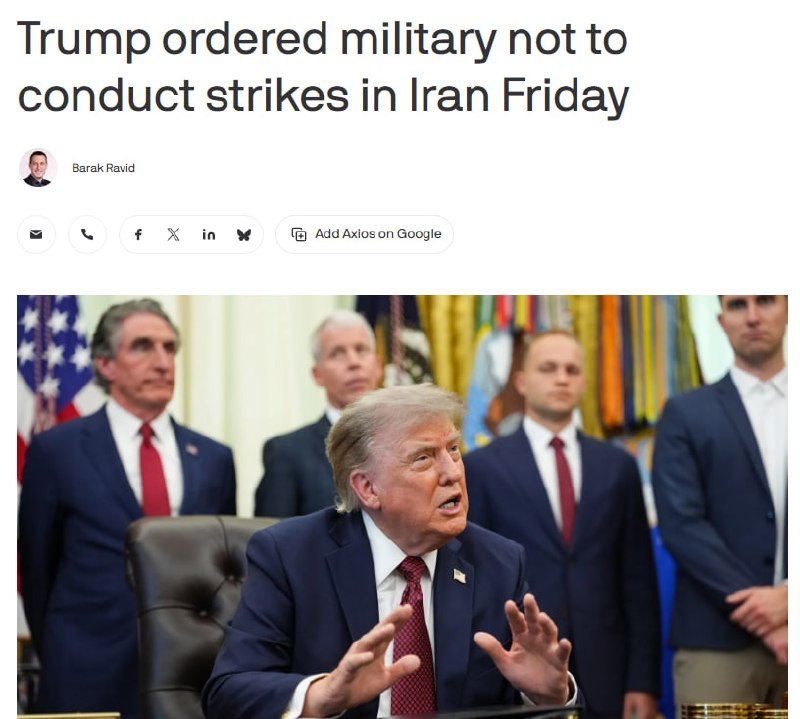
On 12 July 2026 at 13:58 UTC, Iran's official messaging declared the Strait of Hormuz closed until "stability is restored." Within an hour the United States countered that the waterway was open to every vessel. Forty-eight hours later the White House had escalated, pivoted, and offered an exit ramp all in the same news cycle. What looks like chaos is in fact a pricing exercise: the world's most important energy artery is being repriced, in public, in real time, with the dollar as the unit of account.
This is the through-line. Between 12 and 14 July the Trump administration moved on three fronts in the Gulf. It floated a 20% toll on ships transiting Hormuz, reimposed a US naval blockade against Iran, and then, almost in the same breath, told Gulf monarchies they could swap cash tolls for "trade and investment deals." At home, the same president was pushing the Senate to pass the crypto Clarity Act and warning that China wanted "complete and total control" of crypto and AI. Read those moves together and the picture clarifies: Washington is trying to convert a wartime chokepoint into a peacetime revenue stream, and to bolt the future of digital dollar infrastructure onto the same deal.
The 20% that wasn't really a tax
The dollar figure landed via Telegram at 14:22 UTC on 14 July, when the president said he was "very serious" about charging ships a 20% toll to pass through Hormuz, according to a WatcherGuru wire. The framing matters. A toll is not a blockade; it is the inverse of a blockade. Where a blockade denies passage, a toll admits passage at a price. Either instrument lets the US navy act as gatekeeper of roughly a fifth of global seaborne oil; only one of them lets the Treasury print a receipt.
The legal scaffolding for such a levy is thin. The US does not own the strait, which is shared between Iranian and Omani territorial waters under international law. Iran's own cycle of closure-and-reopening claims adds a layer of competing jurisdiction. A unilateral US toll would, in practice, function less as a tax than as a discount offered to compliant carriers and a surcharge imposed on everyone else, collected at the insurance and bunkering layer rather than at the buoy.
Blockade, then bilateralism
Two days earlier, at 14:19 UTC on 13 July, the same channel reported that the US would reimpose a Hormuz blockade against Iran. By 15:10 UTC on 14 July, the policy had already mutated: the toll had been reframed, in the president's words, as something Gulf states could satisfy through "trade and investment deals" rather than cash. The sequence reads as planned choreography. First the hard instrument (a blockade), then the price tag (20%), then the menu of alternative payments (port concessions, sovereign wealth fund commitments, defence purchases, digital-asset partnerships).
Dubai's parallel move, reported at 13:44 UTC on 13 July, to build a new port specifically designed to bypass Hormuz, underlines that Gulf monarchies are not waiting to see how the toll resolves. They are building around it. The UAE has spent two decades positioning itself as the indispensable re-export node between East and West; an alternative port that sidesteps the strait is a structural hedge against exactly the kind of weaponised transit pricing Washington is now floating.
Why the crypto bill moved on the same day
The simultaneity is not coincidence. At 14:58 UTC on 13 July, the president called on the Senate to pass the Clarity Act, the market-structure bill that would draw the regulatory line between the SEC and the CFTC over digital assets. Ninety minutes earlier, at 14:40 UTC, he had framed the geopolitical stakes in maximalist terms: China, he said, wants "complete and total control" of crypto and AI. The argument the administration is selling, in shorthand, is that the US dollar's reserve status is being challenged on two rails simultaneously, by Chinese state-directed AI infrastructure and by Chinese-leaning mining and stablecoin networks, and that the chokepoint answer is to fuse Gulf petrodollar recycling with American digital-asset rails.
The counterpoint deserves airtime. China has, in fact, run the most coordinated industrial policy in the history of crypto-adjacent industries: it dominates battery IP, controls the majority of global hash rate at various points in the last cycle, and is the single largest counterparty to Gulf energy exports. Beijing's view, aired through state media when its spokespeople choose to engage Western questions, is that dollar-based sanctions enforcement is what makes digital-asset sovereignty urgent in the first place. The structural case on each side is real. The Clarity Act, if it passes, would lock US issuers into US-jurisdiction rails; the absence of a deal locks nothing down and lets the next sanctions enforcement action do the deciding by default.
The court, the chokepoint, and the clock
Domestic friction is also rising. At 18:04 UTC on 13 July, a federal judge voided a settlement that would have permanently shielded the president and his family from IRS audits of past tax claims. The ruling does not directly touch the Hormuz policy, but it constrains the political bandwidth available to negotiate the "trade and investment deals" the White House is offering Gulf capitals. A president under audit exposure is a president who cannot afford a public collapse of a flagship foreign-policy initiative.
That narrows the realistic timeline. The administration needs a demonstrable win on one of three tracks before the autumn: a Gulf sovereign signing onto a defined investment framework, a Senate vote on the Clarity Act, or a credible de-escalation with Iran that lets the toll be framed as defensive rather than coercive. The sources do not specify which track the White House intends to prioritise, and the Iranian counter-claim that the strait is closed while the US says it is open suggests the underlying dispute is unresolved rather than merely relabelled.
What remains contested
The wire material leaves several load-bearing questions open. It does not specify the legal basis for a US-imposed toll on a waterway Iran claims as its own territorial sea. It does not name which Gulf state has been first approached for a "trade and investment deal" swap, nor the value of any such deal. It does not confirm whether the reimposed blockade is a kinetic naval operation or a sanctions-and-insurance designation, nor whether Iran's "closed" declaration was operational or rhetorical. The 20% figure, finally, has appeared only in the president's own characterisation; no implementing regulation, no Treasury notice, and no Coast Guard advisory has been published in the source set. This publication treats the figure as a stated negotiating position, not as an enacted fee schedule.
What is not in doubt is the direction of travel. The chokepoint is being priced. The dollar is the unit of account. And the next round of Gulf sovereign wealth recycling is being quietly routed, if the Clarity Act passes, into US-jurisdiction digital-asset rails rather than into the Beijing- or Moscow-adjacent alternatives that Gulf treasurers have spent five years diversifying into. The strait was always geopolitics. It is now, more visibly than at any point since 1973, also a balance-sheet.
This publication framed the 13–14 July Hormuz moves as a single pricing sequence rather than as three disconnected stories, in contrast with wires that carried each item as a standalone alert. The crypto Clarity Act is treated as part of the same architecture, not as a separate policy track.
Wire provenance
This editorial synthesis draws on the following public wire/social posts:
- https://t.me/s/watcherguru
- https://t.me/s/watcherguru
- https://t.me/s/watcherguru
- https://t.me/s/watcherguru
- https://t.me/s/watcherguru
- https://t.me/s/watcherguru
- https://t.me/s/watcherguru
- https://t.me/s/watcherguru
- https://t.me/s/watcherguru
- https://t.me/s/watcherguru