Trump revives the Canada annexation talk, and Ottawa's silence is doing the talking
A fresh Truth Social post on 14 July 2026 again floats absorbing Canada. Ottawa's response is the story as much as the post itself.
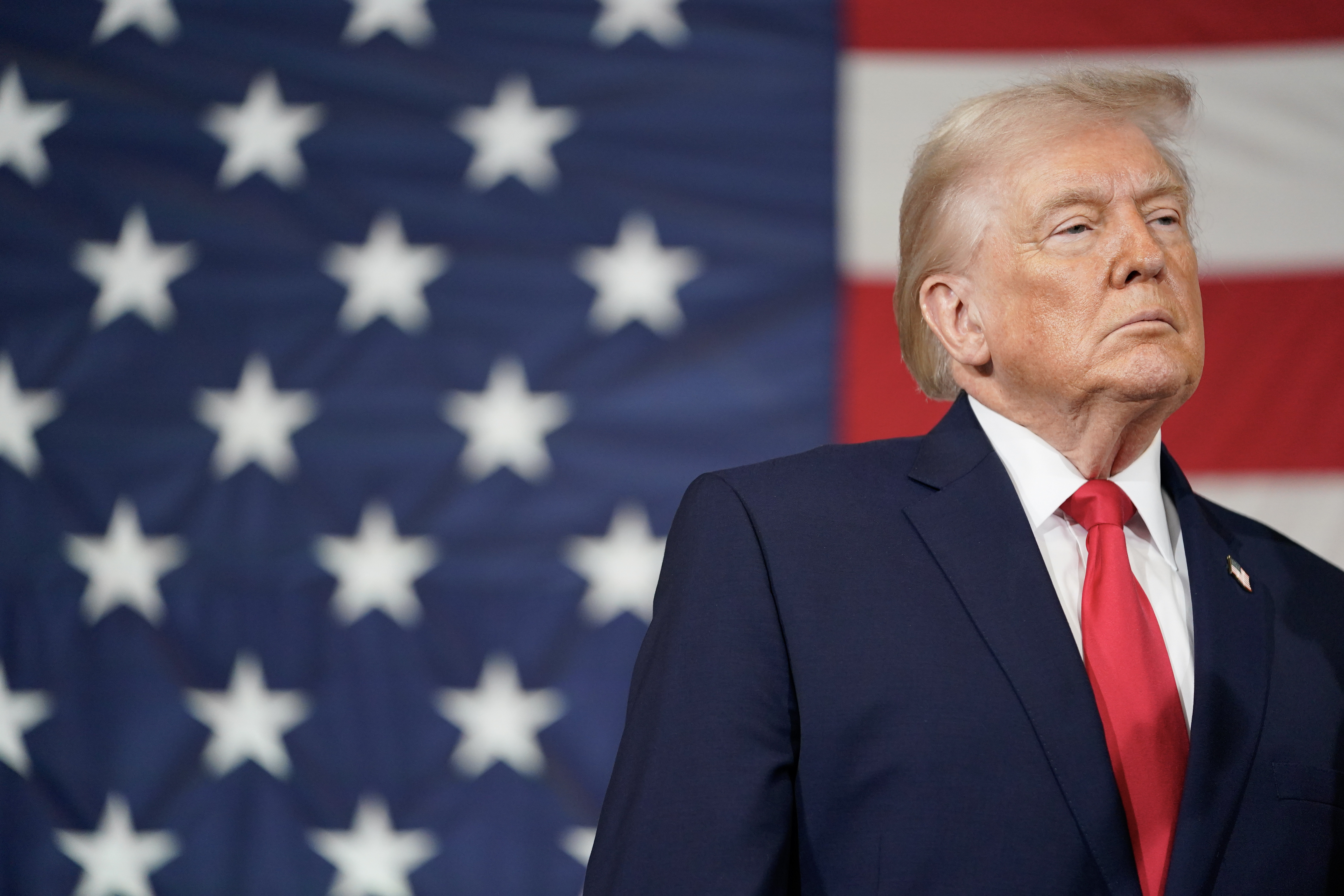
On 14 July 2026, a Truth Social post from the account of U.S. President Donald Trump resurfaced the prospect of Canada joining the United States as the 51st state, accompanied by a photograph of the president that drew renewed attention across Canadian and American media. The post marks at least the second time this calendar year that Trump has publicly floated annexation of the country's largest trading partner, and it lands during an active renegotiation of the United States–Mexico–Canada trade framework that anchors roughly C$3.6 billion in daily cross-border goods movement.
The provocation is not new. What is notable is the gap between Washington's rhetoric and the silence coming back across the border. The structural pattern is familiar: trade leverage deployed as a sovereignty argument, with the annexation line functioning less as a policy proposal than as a pressure tactic in an ongoing economic negotiation. The piece below reads the post, the Canadian response, and what each side is actually bargaining over.
The post and what it showed
The 14 July post, captured in a mirror of the Truth Social timeline, repeated the framing Trump first used publicly in late 2024 and revived earlier in 2026: that Canadian sovereignty is wasted, that U.S. subsidies and military protection justify absorption, and that "51st state" is a flattering outcome for Ottawa rather than a threat. The post is a campaign artefact that travels back into live policy. Canada is currently the destination of approximately 75 percent of U.S. merchandise exports to any single foreign market, and any U.S. administration that unsettles that arrangement does so knowing the disruption runs in both directions.
Ottawa's careful quiet
The Mark Carney government has so far declined to dignify the post with a direct rebuttal. Privately, Canadian officials describe the rhetoric as inside-baseball pressure, intended for a U.S. domestic audience and for the Canadian negotiating team more than for the broader electorate. The strategy is recognisable from earlier trade fights: do not escalate, do not feed the line, and let the trade data do the answering. Public polling, including EKOS and Angus Reid tracking through the spring, has shown Canadian support for retaliatory tariffs hardening whenever the annexation language is repeated, which is precisely the dynamic Ottawa wants to manage without accelerating it.
Quebec Premier François-Philippe Champagne and Ontario Premier Doug Ford have been more pointed in their language than the federal government, calling the post "absurd" and "beneath the office of the president." That split matters: federalism gives premiers the room to register outrage without forcing Ottawa into a posture it cannot easily walk back, and it allows the federal government to claim the high ground of restraint while the provinces carry the public anger.
The structural read
What looks like bombast functions as leverage inside an ongoing trade negotiation. The United States–Mexico–Canada framework is up for review, and the American side has been pushing for tighter rules of origin in autos, expanded dairy market access, and a digital-services chapter that would bind Canadian content moderation to U.S. platforms on terms Canadian officials consider out of scope. Annexation rhetoric sits on top of that technical agenda as a constant reminder that the alternative to a negotiated settlement is reputational damage.
For Canada, the structural problem is asymmetry of attention. The U.S. economy is roughly fourteen times the size of Canada's, and the bilateral relationship is a constant background hum in Washington policy circles and a recurring foreground crisis in Ottawa. The annexation line weaponises that gap: it forces Canadian politicians to spend political capital explaining why their country is not for sale, when the same energy could be spent on the trade substance. For the United States, the rhetorical posture reassures a domestic base that the president is willing to use every lever, including ones that are not real, in defence of American interests.
What the next weeks will tell
Two dates matter. First, the next round of USMCA joint-review consultations, expected in the autumn, will determine whether the annexation language gets folded into formal U.S. demands or continues to float outside the text. Second, the Canadian federal budget, due before parliament reconvenes in late September, will show whether the Carney government is preparing contingency fiscal measures in case the trade talks collapse and tariffs return.
The piece that is not yet visible is what Canadian business wants said back. The Canadian Chamber of Commerce and the Business Council of Canada have so far asked for calm and process, not retaliation, but a sustained campaign of annexation talk has a way of eroding that consensus. If the prime minister's office continues its silence, expect that pressure to migrate from the premiers to the private sector, which is where the cost of the rhetoric actually lands.
What remains uncertain
The source material does not include an on-the-record White House clarification of whether the post reflects formal U.S. policy or personal rhetoric, and the Canadian government's response is being read from the absence of a statement rather than from any new framework. The framing of the post as "annexation pressure inside an ongoing trade renegotiation" is one plausible read; the alternative is that the language is purely domestic signalling, with no operational connection to the USMCA review. The evidence in public so far does not adjudicate between the two. What can be said with confidence is that the post is on the record, that Canadian premiers have called it absurd, and that the next formal move will be made by trade negotiators, not by either leader's social-media account.
Desk note: Monexus treats the annexation language as a negotiating artefact inside a trade renegotiation rather than as a standalone foreign-policy proposal. The story is the gap between the post and the policy text that follows.
Wire provenance
This editorial synthesis draws on the following public wire/social posts:
- https://t.me/sprinterpress