Twenty percent and a closed lane: the Strait of Hormuz goes from chokepoint to toll road
Within 48 hours, the United States announced a reimposed Hormuz blockade, suggested a 20% transit fee and watched only six ships cross the strait in 24 hours. The same window also produced a US tax-court ruling, a Trump pitch to the Senate on a crypto bill and a notable short-liquidation event.
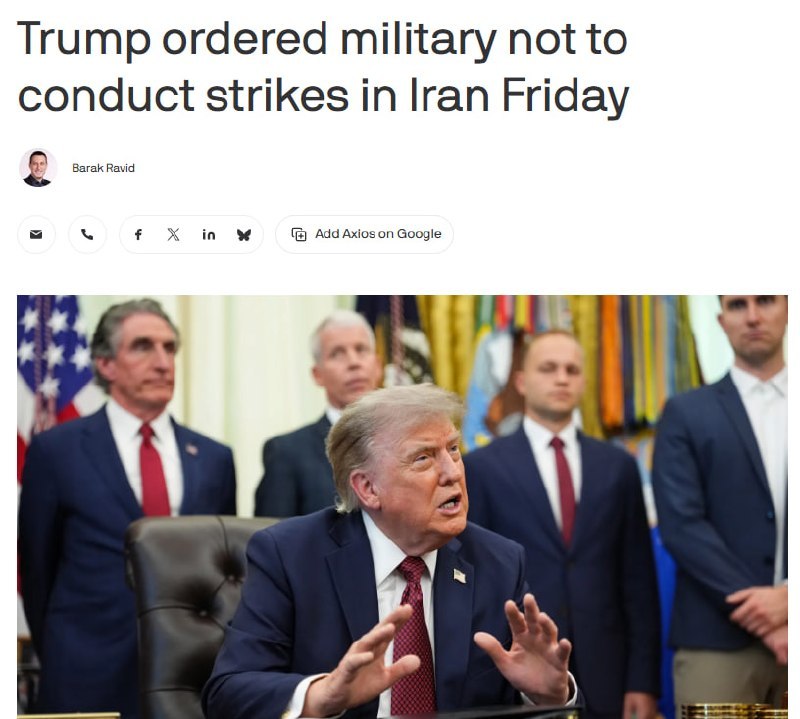
On 13 July 2026 at 14:19 UTC, the United States announced it would reimpose a naval blockade in the Strait of Hormuz against Iran, according to a WatcherGuru wire pulled from Telegram. Sixteen minutes later the same channel reported that US President Donald Trump had told reporters an eleven-hour meeting between US and Iranian negotiators had ended with "everything agreed to" before Tehran walked back the arrangement over Hormuz. By 14:22 UTC the following day the message had shifted again: Trump was "very serious," the wire said, about charging ships a 20% toll for the same stretch of water.
What is happening in the Persian Gulf since 12 July is not one crisis but three running on the same clock. Iran declared the strait closed "until stability is restored." The US insisted the corridor remained open to commercial traffic. A second Trump administration is trying to convert that contradiction into revenue, into leverage and, perhaps, into a precedent: that the world's most important oil chokepoint can be administered like an American franchise.
The blockade is back
The announcement on 13 July followed a two-day stretch in which traffic through the strait had already collapsed. According to a WatcherGuru item timestamped 04:53 UTC on 13 July, only six ships crossed the Strait of Hormuz in the preceding twenty-four hours. The figure is striking. Roughly a fifth of global seaborne oil normally transits that corridor. Even a partial drop of that magnitude, sustained across weeks, would force refiners in Asia to pull from strategic stocks and freight insurers to revise their war-risk premia for the Gulf.
The US framing and the Iranian framing of the lane are mutually exclusive. Iran says the strait is closed "until stability is restored," per the 12 July wire. The US says it is open to all vessels. The new blockade statement places Washington in the awkward position of policing a waterway it simultaneously insists is already free. Trump, in his mid-day remarks, bridged the gap with a transactional offer: countries that benefit from US naval protection should "pay the US." The proposed 20% transit fee is the same idea with a price tag.
There is a separate, domestic counter-narrative worth holding alongside the announcement. Fox, cited in a 13 July Politmarket wire, framed the original eleven-hour meeting as a near-miss deal that collapsed over the same strait Trump now says he wants to toll. That reading and the blockade reading can both be true, but they point at opposite instincts: one prefers agreement from a position of pressure, the other prefers pressure as a permanent state.
Dubai reads the map
While Washington and Tehran argued over the strait, Dubai announced plans to build a new port designed to bypass it. The 13 July 13:44 UTC WatcherGuru item does not give the project a name, location or cost. It does not need to. The Gulf's commercial geography has for decades been organised around Jebel Ali and the Hormuz transit. A bypass port in the UAE is a hedge that Hormuz is no longer a reliable artery, which in turn makes any US-imposed toll more politically bearable for shippers with somewhere else to go.
Three things follow if that project gets built. First, the political constituency for a Hormuz toll shrinks, since the marginal tanker gains a route the toll does not cover. Second, the leverage Washington is pricing into the 20% fee erodes the more credible the bypass becomes. Third, the strategic value of the strait itself re-rates lower. None of that is a reason for the US to back off. It is the case for treating Dubai's move as signal rather than backdrop.
The crypto desk is not detached
The Hormuz headlines may look far from a $100 million short-liquidation print, but the same 72-hour window produced both. At 13:15 UTC on 14 July, WatcherGuru reported $100 million in crypto short positions liquidated in the preceding sixty minutes. The trigger is not in the wire, but the timing correlates with the same flight-to-safety impulses a Hormuz disruption produces in any 24-hour risk market. Iran-controlled mining capacity, and the precedent of state-level crypto enforcement, is also on the table. Trump told reporters on 13 July that China wants "complete and total control" of crypto and AI, a line the same channel carried alongside his call for the Senate to pass the Clarity Act and alongside a federal court order voiding a settlement that would have blocked the IRS from auditing his past tax claims.
Strip the personalities out and the ledger is one story. Public infrastructure for crypto supervision (the Clarity Act, the antisettlement ruling), public infrastructure for maritime enforcement (blockade, fee), public infrastructure for industrial policy framing (the China line), all moving within the same narrow window. Crypto's exposure to that window is not theoretical. A closure of Hormuz even for two weeks pulls dollar liquidity into physical commodity financing and away from risk markets. The $100 million short wipe is a small sample of that move at the margin.
What remains uncertain
The most consequential claims in this story are not fully verifiable from the wire. WatcherGuru's blockade-and-toll items are single-line Telegram posts, not Reuters or AP copy, and they do not specify which authority issued the reimposed blockade, which naval units will enforce it or whether the 20% fee is legislative, executive or rhetorical. The Fox-sourced "everything agreed" line is attributed to a Polymarket wire; the underlying meeting's participants, duration and signed text are not in the inputs.
What can be said with the sources at hand is straightforward. The strait is contested on the same day that Iran says it is closed and the US says it is open. Traffic has fallen to six ships a day. A bypass port is being planned in the UAE. The proposed American transit fee is on the table. And the global discourse inside crypto is being pulled, visibly, by the same forces pulling on every other risk asset.
The next data point that will move the conversation is not a Senate vote or an earnings call. It is a tonnage count. If the next twenty-four-hour window through Hormuz climbs back into double digits, the blockade line is bargaining. If it stays at six, it is policy.
How Monexus framed this vs the wire: mainstream coverage framed the Hormuz story as a binary Iran/US standoff. We treated the toll proposal, the bypass port and the $100 million crypto short wipe as three signals on the same channel, and flagged that the blockade announcement sits in direct tension with Trump's own "deal was agreed" claim from the same day.
Wire provenance
This editorial synthesis draws on the following public wire/social posts:
- https://t.me/s/watcherguru
- https://t.me/s/watcherguru
- https://t.me/s/watcherguru
- https://t.me/s/watcherguru
- https://t.me/s/watcherguru
- https://t.me/s/watcherguru
- https://t.me/s/watcherguru
- https://t.me/s/watcherguru
- https://twitter.com/polymarket/status/...
- https://t.me/s/watcherguru
- https://t.me/s/watcherguru
- https://t.me/s/watcherguru
- https://t.me/s/watcherguru
- https://t.me/s/watcherguru
- https://t.me/s/watcherguru
- https://t.me/s/watcherguru
- https://t.me/s/watcherguru
- https://t.me/s/watcherguru
- https://t.me/s/watcherguru
- https://twitter.com/polymarket/status/...
- https://t.me/s/watcherguru
- https://t.me/s/watcherguru