The NBA-to-NCAA pipeline nobody planned for: how age rules and lawsuits could push professionals back to college ball
As the NCAA's age-based eligibility rule faces legal challenges, agents and coaches are sketching a reverse pipeline from the NBA back to college rosters.
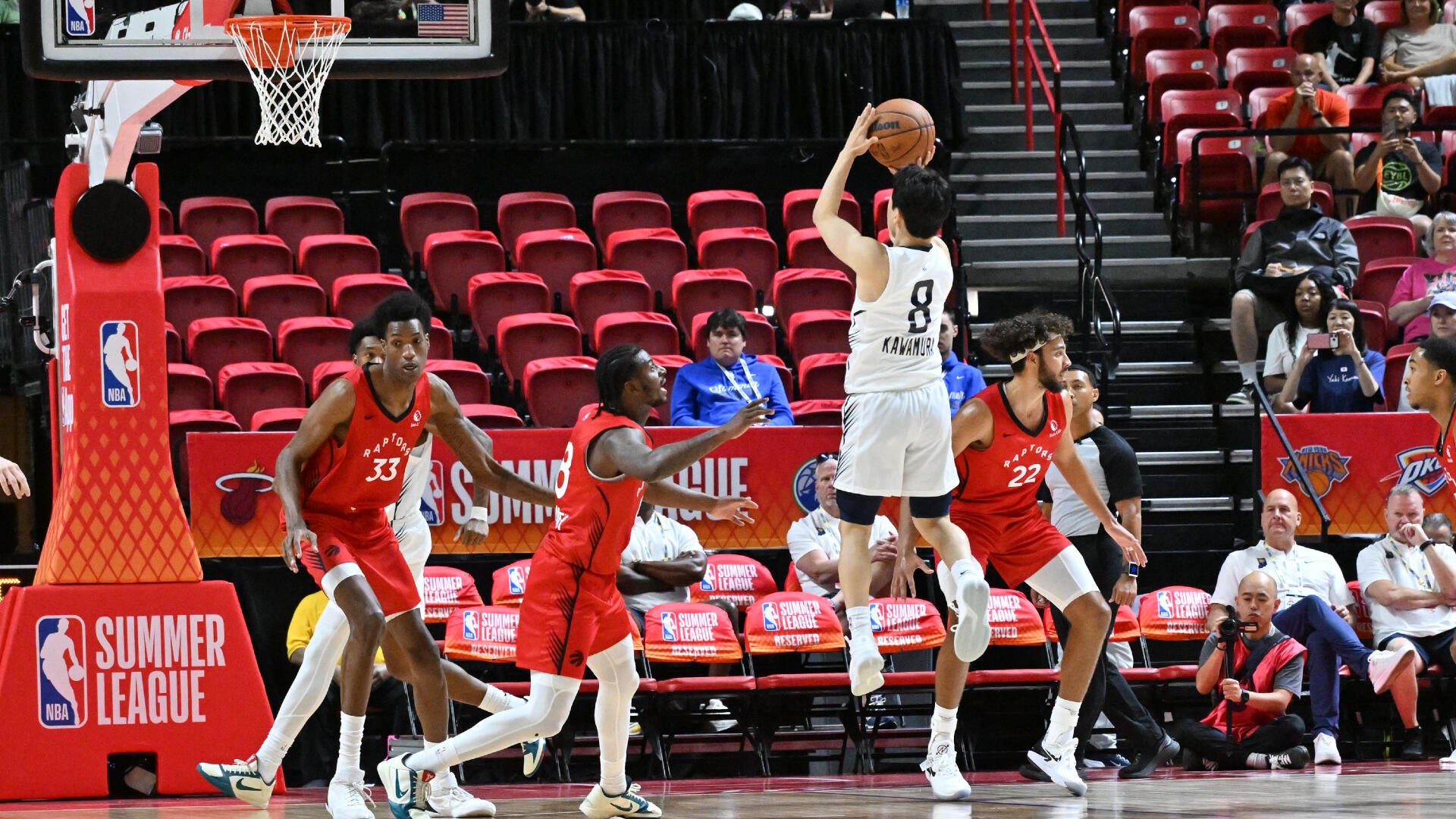
The NBA's Summer League tipped off in Las Vegas on 14 July 2026 with the league's perennial mid-summer showcase doubling, this year, as a triage ward for a roster-construction problem the college game has never faced. CBS Sports reported the same day that coaches and agents across Division I are quietly modelling a flow of players in the opposite direction of the usual pipeline: professionals, sent back into the NCAA, because of legal uncertainty around an age-based eligibility rule the Association imposed to keep young players from skipping college entirely.
That inversion is the story. For decades the NCAA existed as a feeder to the NBA; the new rule was meant to slow that conveyor, and now the mechanism may be forcing it into reverse.
The rule, and the cases against it
The eligibility standard at issue sets an age floor rather than a one-and-done clock: any player must reach a specified age to compete in college, regardless of high-school graduation date. According to CBS Sports's reporting on 14 July 2026, the rule has been challenged in court, and NCAA schools are bracing for the possibility that the standard could be enjoined or rewritten in the middle of the upcoming academic year. Agents who represent both current professionals and high-end amateurs told the outlet they can see a realistic path from the NBA back into a college programme if the rule is struck or narrowed.
The structural effect is odd. A league that has spent two decades absorbing talent earlier and earlier now faces a regulated channel that could send marginalised rotation players downward, into amateur rosters that would, in turn, have to absorb them under scholarship and roster-cap limits that were never designed for returnees of that profile.
Why agents see an opening
Summer League is the natural venue for the conversation. Rosters are full of two-way players, recently waived veterans, and rookies fighting for guaranteed money. A subset of those players, sources told CBS Sports, fit a profile the agents describe bluntly: good enough to clear an NBA Summer League audition, not good enough to hold an NBA rotation spot, and young enough under any reasonable re-cut of the age rule to be NCAA-eligible. If the rule falls, those players become attractive college signings for programmes that need veteran presence to balance rosters depleted by the professional ranks.
The economics push in the same direction. A two-way NBA contract pays less than a mid-tier NIL package bundled with a development plan at a top programme, and a player who burns a year on a bench in the G League has little to show for it. The agents' calculus, as reported, is that several current professionals would prefer the visibility of a college season over another winter in the developmental league.
What coaches are bracing for
Coaches quoted in the CBS Sports piece described the planning problem in plain terms: scholarship limits, roster caps, and existing recruiting classes do not flex to absorb a wave of older entrants on short notice. Several said their compliance offices had begun modelling scenarios in which two or three returning professionals join the programme after the season opens, displacing unsigned recruits or late-add walk-ons. One coach compared the situation to the original one-and-done era in reverse: instead of freshmen leaving for the league, professionals arriving midstream.
The court calendar is the variable that controls timing. If a preliminary injunction or summary judgment lands before the early signing period, programmes will have weeks to prepare. If it lands during conference play, the disruption compounds.
What remains unresolved
The reporting stops short of identifying which players have been formally presented to college programmes as returning candidates; the agents who spoke to CBS Sports described the activity as preliminary. The NCAA has not, in the cited coverage, publicly committed to a contingency plan for mid-year eligibility changes. And the NBA, whose Summer League rosters in Las Vegas are the practical pool for any such return, has not signalled how it would treat a player who opts out of a remaining two-way deal in favour of an amateur season.
That leaves the story where most labour-and-eligibility stories sit at this stage of the calendar: the rule is contested, the alternatives are sketched, and the timetable is in the hands of a court rather than a league office. NBA Summer League play will continue on the league's broadcast partners while the answers get drafted in filings nobody in Las Vegas is yet reading.
Wire provenance
This editorial synthesis draws on the following public wire/social posts:
- https://t.me/s/NBALive
- https://t.me/s/NBALive