Trump hosts Iraq's al-Zaidi at the White House, and the read-out is mostly warmth
Iraqi Prime Minister Ali al-Zaidi became the latest Arab leader to make the Trump-era pilgrimage to Washington. The body language was warm; the substance is still being negotiated.
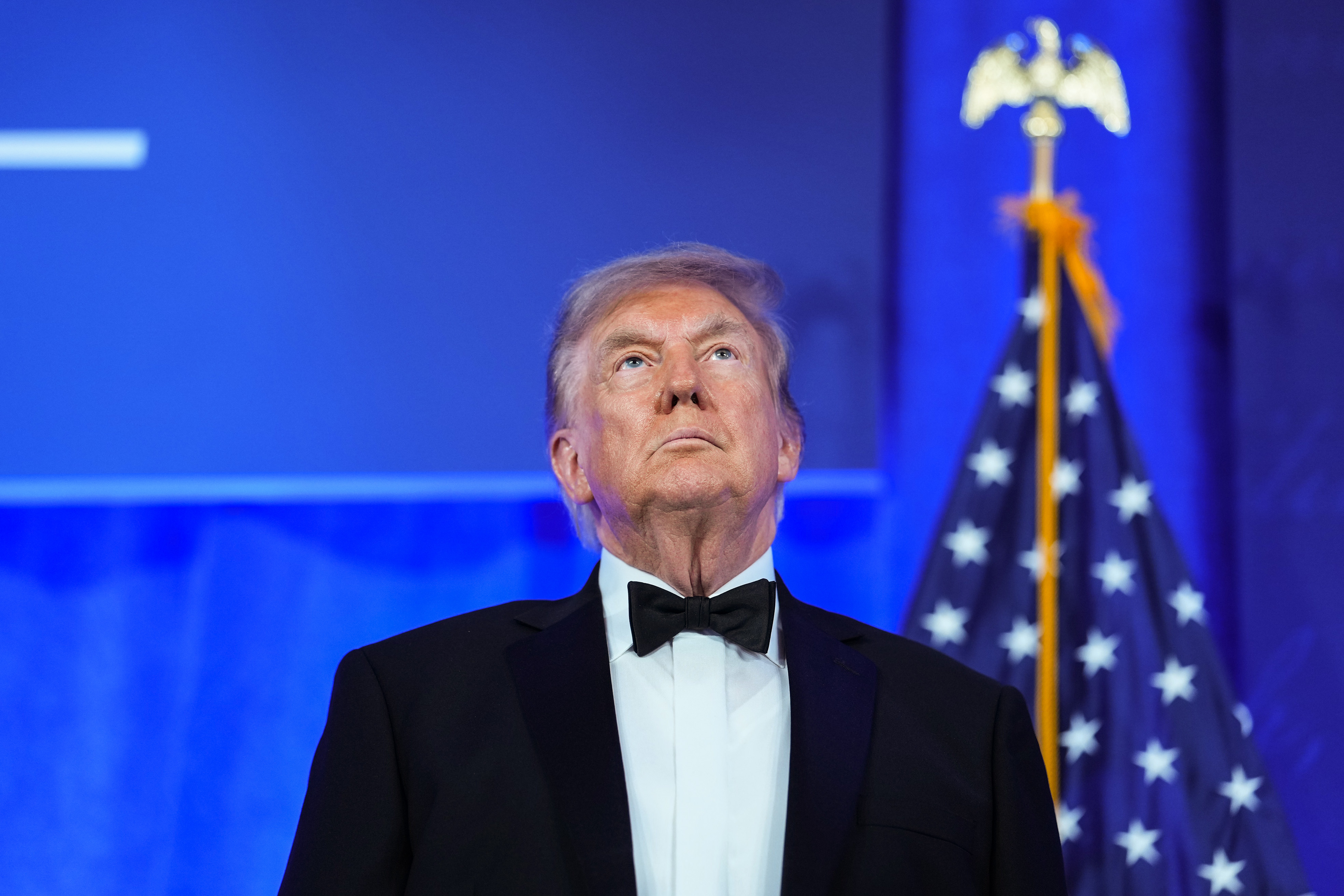
Iraqi Prime Minister Ali al-Zaidi walked into the White House on the afternoon of 14 July 2026 and was met with the kind of staging that the second Trump administration has made a signature: a podium exchange heavy on superlatives, light on the specifics of what, exactly, was just agreed. President Donald Trump told reporters he "loves Iraq" and called the country "incredible," welcoming al-Zaidi as the leader who had "just won a big election" and was "very well represented," according to the Middle East Spectator feed of the appearance and a near-identical clip circulated by BellumActaNews minutes later. The Iraqi side, in turn, is signalling the kind of calibrated deference Baghdad now treats as the price of admission to Trump's diplomatic calendar.
The visit matters less for the optics, of which the Trump White House is running a surfeit, than for what it says about a quiet re-knitting of the US-Iraqi relationship. Baghdad is navigating the same pressures that have pushed the Gulf monarchies and Turkey into a more transactional posture with Washington: an oil-dependent economy that still needs the US as security guarantor and as the broker with Tehran; a parliament that includes blocs unwilling to see Iraq become a launchpad for a US strike on Iran; and an Iranian neighbour that is itself a customer, a creditor and a threat. The al-Zaidi government has chosen proximity to Washington while keeping the door open to every other capital that matters in the file.
The choreography of a Trump-era Arab visit
The choreography of a Trump-era Arab visit now follows a familiar script: a presidential welcome statement that is heavy on personal chemistry, a series of one-on-one meetings, an expanded session with delegations behind closed doors, and a joint appearance that produces more imagery than policy language. Al-Zaidi was received at the White House on 14 July 2026 in exactly that format, and Trump's public remarks were cut from the same cloth as his recent receptions of Gulf and North African leaders, leaning on the personal bond as the public face of the relationship.
Baghdad's strategic communications apparatus played its part. Iraqi outlets framed the trip as a working visit to discuss "cooperation and partnership," the kind of deliberately broad envelope that allows both sides to claim wins without committing to anything that the Iraqi Council of Representatives could not ratify. The shared language was friendship, not alignment, a careful distinction for a country whose political centre of gravity is fractured between Shia blocs that look east, Kurdish parties that look north, and a Sunni Arab minority that looks both ways.
Why now
The timing is the real story. Iraq is still working through the financial and security consequences of a multi-year standoff with the United States, a position in which several of Baghdad's most important political factions openly resisted the US troop presence on Iraqi soil. The al-Zaidi government has had to manage that legacy while also re-engaging with Washington on the file that actually animates the bilateral relationship: containing Iran's regional footprint without inviting a hot war on Iraqi soil.
The Trump administration, for its part, has signalled a willingness to re-anchor Iraq policy around energy and counter-terror cooperation rather than the maximalist sanctions-and-pressure posture that defined the late Biden years. That is the carrot. The stick is more visible than it has been in a decade: a credible US military option against Iranian nuclear and proxy infrastructure, which would run through Iraqi airspace and almost certainly require Iraqi political cover, and the risk of new financial measures if Baghdad is perceived as backsliding on dollar-clearing restrictions imposed on Iranian-linked entities operating through Iraqi banks. For Baghdad, a warm White House read-out is the cheapest way to make sure neither side tightens the screws.
What both sides actually want
Al-Zaidi's working list, as best it can be read from the public framing, is straightforward. He wants a US security commitment that is explicit enough to deter Iranian proxies but flexible enough to survive a parliamentary vote, continued access to the US financial system for legitimate Iraqi state transactions, and a long-promised transition on the energy file that would let Baghdad sell gas, oil and electricity into a regional market on its own terms. He also wants the kind of summit photograph that reassures Iraqi Shia political parties that the relationship is being managed, not surrendered.
Trump's list is shorter. He wants an Iraqi government that does not become a stage for a confrontation with Iran that the American public has not been asked to underwrite, a partner that buys US energy and defence services, and a visible diplomatic win to place alongside the Gaza ceasefire and the de-escalation with the Gulf monarchies. The al-Zaidi visit offers all three at the cost of a podium and a working lunch.
What the read-out does not tell us
The public materials around the visit do not disclose a single deliverable: no signed framework, no joint statement of work, no named commitments on energy infrastructure or on the file of armed Iraqi factions backed by Iran. The source feeds circulating on the evening of 14 July 2026 carry Trump's verbal warm-up and the staging of the meeting, and very little about what was actually negotiated behind the closed doors of the Oval Office and the Cabinet Room. The substantive read-out, if one is released, will come from the Iraqi Council of Ministers, from the US State Department, or from the Iraqi embassy in Washington. Until then, the visit sits in a category that the second Trump administration has made routine: a great deal of affection, an undetermined amount of agreement.
The honest reading is that both leaders got what they came for on the day. Trump received the photograph of an Arab leader making the pilgrimage, a counterpoint to a more confrontational streak in his Iran policy. Al-Zaidi received the optics of partnership without having to put on the table any commitment that the Iraqi street, or the parliamentary blocs that hold the real veto, could not ratify. Whether that is enough to keep the relationship on an even keel through the next round of Iran-related sanctions enforcement, or the next Iranian proxy incident on Iraqi soil, is the question the read-out does not answer.
How Monexus framed this: the wire service read-outs of Trump-era Arab visits tend to fixate on the body language; this desk treats the optics as the message and the closed-door agenda as the story worth watching for the next Iraqi Council of Ministers communiqué.
Wire provenance
This editorial synthesis draws on the following public wire/social posts:
- https://t.me/JahanTasnim
- https://t.me/Middle_East_Spectator
- https://t.me/BellumActaNews
- https://en.wikipedia.org/wiki/Iraq%E2%80%93United_States_relations