Trump tells Congress the truce with Iran is over, formalising a return to hostilities
A letter to Capitol Hill on 13 July 2026 ends the diplomatic fiction that the US and Iran were still talking, and obliges lawmakers to decide whether to fund, restrain, or ignore a new military campaign.
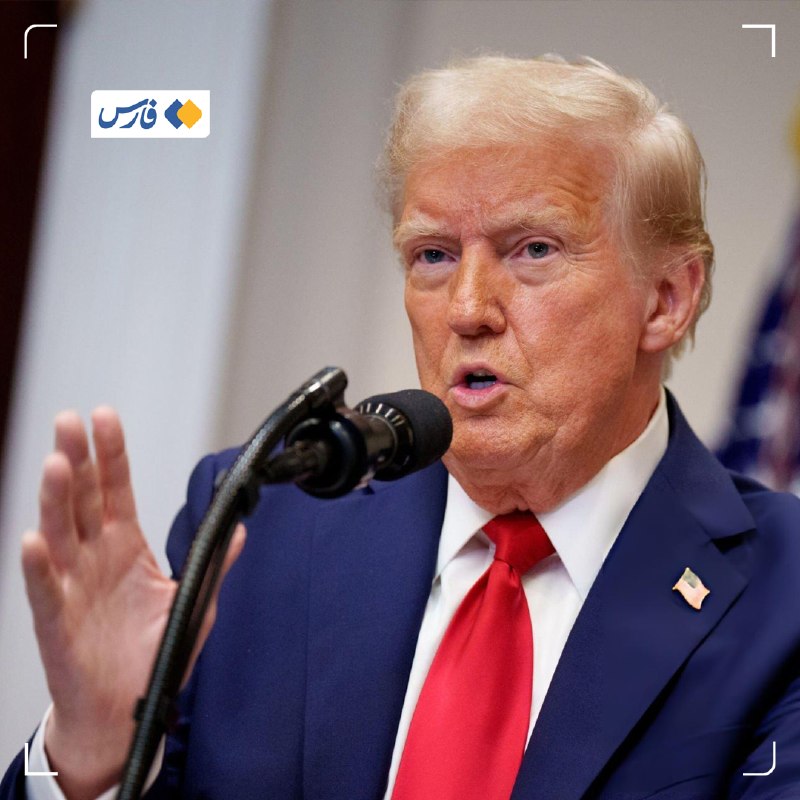
President Donald Trump notified the US Congress on 13 July 2026 that hostilities with Iran had resumed, formally breaking the ceasefire that had held the war powers debate on Capitol Hill in suspension. The New York Times, reporting the letter on the same day, framed the communication as an acknowledgement that the truce was failing. Two Iran-watch channels on Telegram, GeoPWatch and the Fars News International English feed, picked up and circulated the same basic account within hours, with the Iranian outlet adding that Trump had "sent a letter" to the legislature. Independent journalist aggregator Sprinter Press posted the NYT line to X at 19:10 UTC. The four accounts converge on a single procedural fact: as of Monday afternoon Washington time, the executive branch has stopped pretending the fighting had stopped.
The notification matters because, in the American constitutional order, telling Congress that hostilities are back is not the same thing as asking permission. Under the War Powers Resolution of 1973, the president must report to lawmakers within 48 hours of introducing armed forces into hostilities, and must terminate use of the military within 60 days absent authorisation or extension. By writing now, the administration puts itself back on the legally familiar clock: continuing kinetic operations, with Congress on notice, while the legislative branch decides whether to underwrite, restrict, or ignore the campaign. That is the lens through which Monday's letter should be read, not the rhetoric in which it was framed in Tehran or in Washington's allied press.
The truce that wasn't
The ceasefire itself was never formally named in any of the four source items. What is reported is its collapse. The NYT cited in the Telegram chains describes the letter as a recognition that "fighting with Iran resumed." That phrasing concedes the obvious: kinetic operations were already under way when the diplomatic freeze was being treated, in some quarters, as if it were holding. Iranian-aligned and pro-government accounts in the Telegram cluster had, in the weeks prior, framed each US strike inside Iranian-aligned theatres as a violation of an arrangement that was being kept alive largely for Western domestic audiences. The Monday notification catches up the paperwork with the battlefield.
For Washington, the practical effect is to re-open a legislative argument that hawks in both parties had been trying to force for months: whether to authorise the campaign outright, restrict its scope, or let it run on presidential authority alone. For Tehran, the practical effect is the inverse: Iran no longer has to pretend to observe a truce it had been describing, in state-aligned outlets, as one-sided from the start.
What Congress now has to decide
Three things follow from a formal notification, and the source material speaks most clearly to the first. The administration gets to claim it has complied with the reporting requirement, foreclosing the procedural objection that presidents have historically faced in the first 48 hours. After that, the 60-day clock matters: absent authorisation, funding, or another extension, the executive must pull forces out. The third element is political: a formal letter is a piece of paper that exists. It can be leaked, quoted, attached to a hearing notice, or filed by a lawmaker demanding a vote. Monday's letter is, in that sense, ammunition for every committee chair with a foreign-affairs portfolio and a microphone.
What Congress will not get, from this notification alone, is operational information. The notification does not specify theatre, force disposition, target categories, or rules of engagement. Those gaps will be filled in the days ahead by classified briefings and, more noisily, by leaks. For now, the four source items describe only the act of writing, not the substance of what is being written about.
The structural read
A president who wants a war on his own terms prefers ambiguity: he would rather keep Congress guessing than put it on notice. A president who is going to need Congress either to fund the next phase or to defend him from the political costs of the current one prefers clarity: a clean paper trail, dated, filed, unimpeachable. Trump's letter reads as the second case. The campaign needs a budget, a coalition, or at least a domestic political shield; getting Congress to acknowledge the war is back is the precondition for all three.
The deeper pattern is the recurring American cycle of post-9/11 warfare: a kinetic campaign framed as a temporary intervention that gradually accumulates institutional furniture around it. Reporting requirements, sanction packages, allied coordination mechanisms, basing arrangements. The Iranian counter-reading, audible in the Fars and other Tehran-adjacent channels, is that Washington uses notifications and truces alike as procedural scenery for a longer campaign. The structural point does not require a verdict. The procedural furniture is being installed whether or not either reading is correct.
What to watch next
The 60-day clock starts from the date of introduction of forces, not necessarily the date of the Monday letter. If prior operations pre-dated the notification, the legal clock may be shorter than the calendar suggests, and that distinction is the first thing Capitol Hill counsel will probe. The second thing to watch is whether any senator or representative forces a floor vote on a fresh authorisation before the end of the week. The third is whether Tehran chooses to escalate to make the truce collapse visible, or to absorb the news and wait for domestic American politics to do the work for it. The four source items tell us the letter exists. They do not tell us, yet, what is in it.
Desk note: The wire version of this story is one-line and rests on the NYT reporting on a letter whose contents have not been published. Monexus has prioritised the procedural weight of the notification over speculation about the campaign itself, and has flagged where the four source items stop short of corroborating common Western-wire assumptions about the truce's underlying terms.
Wire provenance
This editorial synthesis draws on the following public wire/social posts:
- https://t.me/geopwatch
- https://t.me/osintlive
- https://t.me/FarsNewsInt
- https://en.wikipedia.org/wiki/War_Powers_Resolution