Sam Neill, 78, leaves a screen career measured in decades and continents
The New Zealand actor who built a 50-year career between Hollywood blockbusters, art-house prestige and British television has died at 78, prompting tributes that double as a survey of late-twentieth-century cinema.
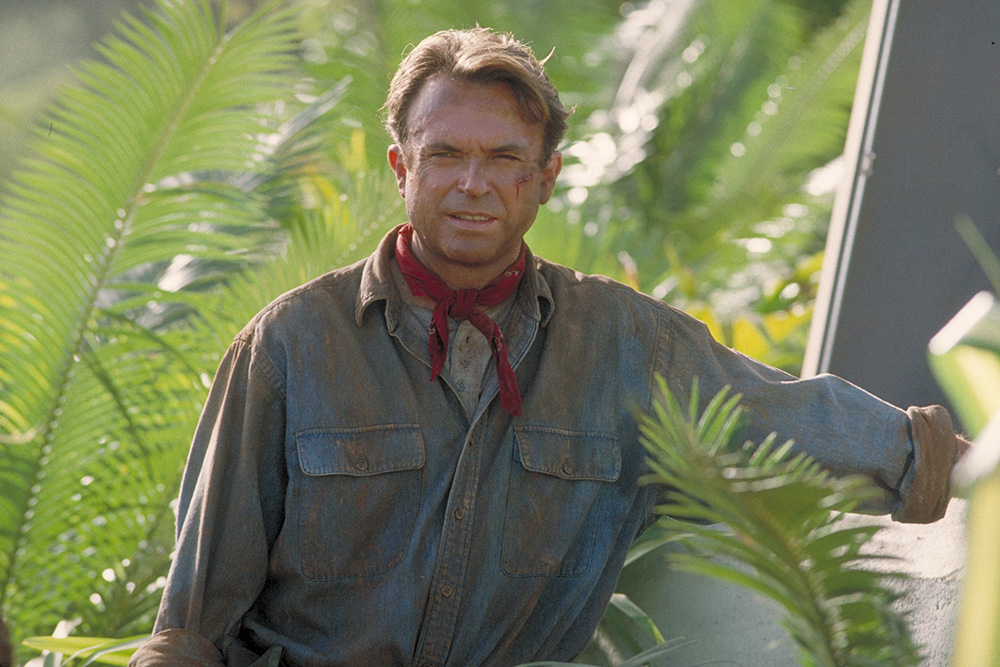
Sam Neill, the New Zealand actor whose career moved without apparent effort between summer blockbusters, art-house drama and British prestige television, died on Monday at the age of 78, Variety and the Guardian reported on 13 July 2026.
In a screen career spanning more than five decades, Neill appeared in more than 150 roles, becoming one of the few Antipodean leading men whose name alone could open a film across both Hollywood and the arthouse circuit. He was 78. Variety's obituary, published the same day, characterised him as "a leading man of both blockbusters and independent films" who had "memorable turns in several prestige TV series."
A career built across two hemispheres
Neill's filmography is unusually bifurcated. He worked steadily through New Zealand and Australian production from the late 1970s before crossing into Hollywood with his turn as Dr Alan Grant in the 1993 Jurassic Park, a role he would reprise in two later sequels. The franchise earned him the kind of global recognition that is rare for actors who began outside the Anglo-American studio system, and it is the credit most international audiences will reach for first.
But that commercial peak sat alongside a long parallel track in independent and literary cinema. Jane Campion's The Piano (1993), released the same year, gave him one of his most widely discussed performances as the husband opposite Holly Hunter's Ada. Variety's photo-led retrospective grouped those two titles together as the public's twin anchor points for his work, and the framing is telling: in a single year, Neill helped define the blockbuster template for the next decade and anchored one of the decade's most awarded art-house films. He worked across both registers for the rest of his career rather than retreating into either.
The television years, and a British second wind
By the 2010s and into the 2020s, Neill had become a reliable presence in British and American prestige drama. Variety and the Guardian both highlighted his role in Peaky Blinders, the BBC period gangster series that became a global streaming staple in the late 2010s. That role, and others like it, signalled a second wind on the small screen at an age when many of his contemporaries had slowed down. Television, rather than cinema, increasingly became where his face was most familiar to a generation that had grown up after his 1990s peak.
The pattern matters for how the industry reads his death. Neill is being remembered less as a single-screen star than as a working actor across formats, scales and budgets. His obituary coverage in Variety and the Guardian reflects that: both outlets took the occasion as an excuse to survey his filmography rather than to dwell on any one role, and both emphasised the breadth, not the headline.
What the obituaries choose to leave out
One notable absence from the first wave of coverage: the financial and contractual specifics of his career. Neither Variety nor the Guardian, in their pieces dated 13 July 2026, named his agents, his estate, his representatives or the cause of death. That restraint is itself a marker of how celebrity deaths are now covered. The reporting treats the work as the record, not the private medical details.
There is also a structural point underneath the tributes. Neill was one of a small cohort of New Zealand actors, alongside figures such as Sam Rockwell-cosmopolitan contemporaries and earlier generations of Kiwi leads, who broke out of a tiny domestic film industry into global stardom without losing the credibility that let him return home for arthouse work. The 1990s in particular produced a remarkable cluster of New Zealand performers crossing into American production while maintaining serious film careers at home. Neill's death closes one chapter of that story even as several peers remain active.
What the next week of coverage will reveal
Expect fuller retrospectives from the trade press, longer essays from the British dailies, and at least one major-streaming-platform tribute collection in the coming days. The Guardian's "20 best roles" list, published alongside its obituary on 13 July 2026, will likely be cited by other outlets as the working canon; Variety's photo-led package does the same work in image form. Both approaches treat Neill's career as something that resists a single defining role, which is the most accurate read of an actor who moved between Alan Grant and Ada's husband without changing posture.
The contest for the next week of coverage is whether the writing reduces Neill to his two famous 1993 films or treats the Peaky Blinders / indie-era work with comparable seriousness. The early evidence from Variety and the Guardian suggests the latter, and that is the framing that fits the man on screen: an actor whose authority came from range, not from any single franchise.
What we could not verify from the available reporting
The thread sources available at the time of writing do not specify a cause of death, the location of his passing, or the names of family members and representatives who issued statements. The obituary coverage from Variety and the Guardian on 13 July 2026 concentrates on the filmography rather than on private medical or family detail. Readers seeking those specifics should expect fuller reports in the days ahead, particularly from New Zealand outlets closer to the actor's home base.
What Monexus is doing here
Where the wire obituaries are running filmography-first retrospectives, this piece reads the two early tributes against each other to flag what the coverage is not doing: naming a cause of death, naming representatives, treating any single role as the headline. The result is a portrait that treats Neill's career as the durable record, and the private circumstances as the part the public conversation has, for now, agreed to leave alone.