Strikes on Khuzestan: what we know, what we don't, and why the fog is the point
A night of competing claims out of southwestern Iran, with Telegram channels pointing to strikes on Omidiyeh, Susangerd and Andimeshk, and at least one denial already on the record.
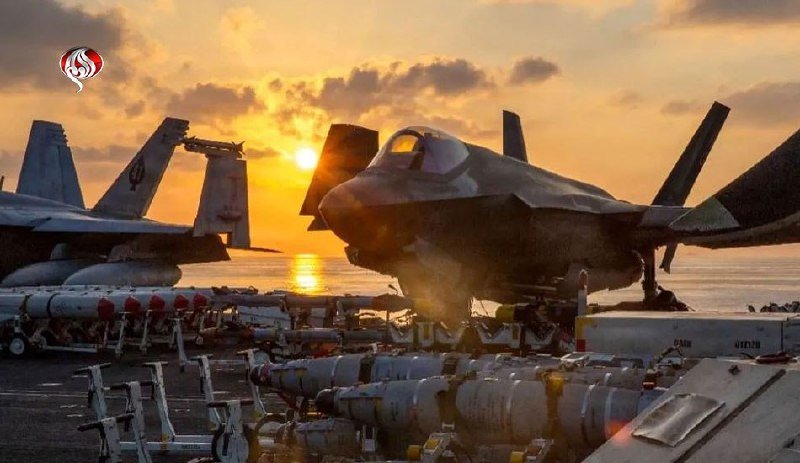
Two large explosions were heard over the city of Omidiyeh in Iran's Khuzestan province just before 22:24 UTC on 12 July 2026, according to the open-source intelligence channel Intelslava on Telegram. Within an hour, a second channel, RN Intel, was reporting U.S. attacks on two more Khuzestan towns, Susangerd and Andimeshk, also in the southwest. By 00:31 UTC on 13 July, RN Intel had zeroed in on a target: Omidiyeh Airport. By 00:42 UTC, a third channel, DDGeopolitics, was circulating what it said was aftermath imagery from the airport, sourced to a feed called ResistanceTrench.
What is actually on the ground, what was hit, and by whom, is harder to pin down than the volume of alerts suggests. The Telegram traffic is fast, the sourcing is thin, and the only firm on-the-record denial in the thread so far is a denial of a strike on Aghajari Airport, also in Khuzestan, issued by RN Intel itself at 23:51 UTC on 12 July.
The fog of alerts
The reporting arc inside the thread is itself the story. At 22:24 UTC, the operative claim is simply that two large explosions were heard over Omidiyeh. At 23:02 UTC, the frame widens: Susangerd and Andimeshk, both Khuzestan towns, are added to the list of reported strike locations. At 23:51 UTC, RN Intel pushes back on a separate rumour, an attack on Aghajari Airport near Omidiyeh, and calls it false. Less than a minute later, Intelslava reports a strike on Aghajari Airport anyway. By 00:31 UTC on 13 July, RN Intel has consolidated the picture around Omidiyeh Airport. By 00:42 UTC, DDGeopolitics is showing aftermath.
The pattern is familiar from past cycles of escalation between Washington and Tehran. Initial reports cluster around population centres. Adjacent facilities get named. Some of those names get walked back. Eventually a single target, often an airfield or an IRGC-linked installation, holds. The first hours rarely give a clean target list, and this thread is no exception.
What the sources agree on
The minimal consensus is narrow. The United States conducted an airstrike. It struck somewhere in Khuzestan province. Omidiyeh Airport is the most consistently named single target across the later items. Two adjacent Khuzestan towns, Susangerd and Andimeshk, were named as additional strike locations in at least one report, though the thread does not specify what was hit there. There is aftermath imagery circulating.
The maximal consensus, about who did what to which building and with what ordnance, is not in the thread. No casualty figures are offered. No weapon system is named. No U.S. or Iranian official statement is cited. The thread is an alert layer, not a confirmed battle damage assessment.
What the sources disagree on
The clearest disagreement concerns Aghajari Airport. RN Intel called reports of a strike there false at 23:51 UTC. Intelslava carried a strike report on Aghajari Airport at 23:52 UTC. Two adjacent timestamps, two opposite claims, neither carrying visible corroboration beyond the channel's own standing. This is exactly the kind of contradiction that downstream readers should treat as a signal to wait for primary sourcing.
A second uncertainty concerns the Susangerd and Andimeshk strikes. They appear in one channel's reporting and are not independently corroborated in the thread. They could be real, they could be a misread of the same overpressure event travelling across a flat province, or they could be a relay error. The thread does not resolve this.
What the picture suggests
Khuzestan is not a random target set. It is home to a large ethnic Arab minority, a long border with Iraq, the bulk of Iran's onshore oilfields, and several military airfields that have been named in past reporting on potential U.S. strike planning. Strikes there would carry an obvious signalling weight: maximum disruption to energy export infrastructure, in a province where Tehran's grip is already contested. None of that is in the source thread, but it is the structural read a reader should hold while the facts firm up.
What is striking about this particular burst is how clean the U.S.-attribution is across the Telegram items. In past escalations, attribution tends to be hedged: explosions, possibly Israeli, possibly U.S., possibly an IRGC internal incident. Here, the actor is named by every channel almost immediately, and named as American. Either the strike was overt enough that even cautious channels felt safe attributing it, or the information environment is being set in advance for a specific political reading. The thread itself does not let us choose between those two explanations.
Stakes and what to watch
If the strikes hold up to primary confirmation, the immediate question is scope: was this a one-shot retaliation for a specific incident, or the opening move of a sustained campaign? Khuzestan contains both symbolic and operational targets, and the choice between them tells the reader what kind of escalation this is. The next twelve to forty-eight hours will likely produce Iranian state-media framing, a U.S. Central Command or Pentagon read-out, and either satellite imagery of cratered runways or visible Iranian air-defence activity around the named airfields. None of that is in the thread yet.
Until then, the honest read is that two things happened with confidence: explosions were heard across parts of Khuzestan on the night of 12 July 2026, and at least one Telegram channel walked back a specific strike claim within an hour of making it. Everything else is still in the alert layer, where attribution is fast and verification is slow.
Desk note: Monexus is reporting the Telegram alert traffic as a primary source because, on this story, that is what the open-source layer presently offers. We are not yet citing wire confirmation, U.S. or Iranian official statements, or casualty figures, because the thread contains none. Where two channels directly contradict each other on Aghajari, we have named both rather than picking one.
Wire provenance
This editorial synthesis draws on the following public wire/social posts:
- https://t.me/intelslava
- https://t.me/rnintel
- https://t.me/rnintel
- https://t.me/intelslava
- https://t.me/rnintel
- https://t.me/DDGeopolitics