Jayden Adams, Sundowns and Bafana midfielder, dies at 25
Mamelodi Sundowns and South Africa midfielder Jayden Adams, a member of the Bafana squad at the 2026 World Cup, has died at 25. Confirmation came from Sport Minister Gayton McKenzie.
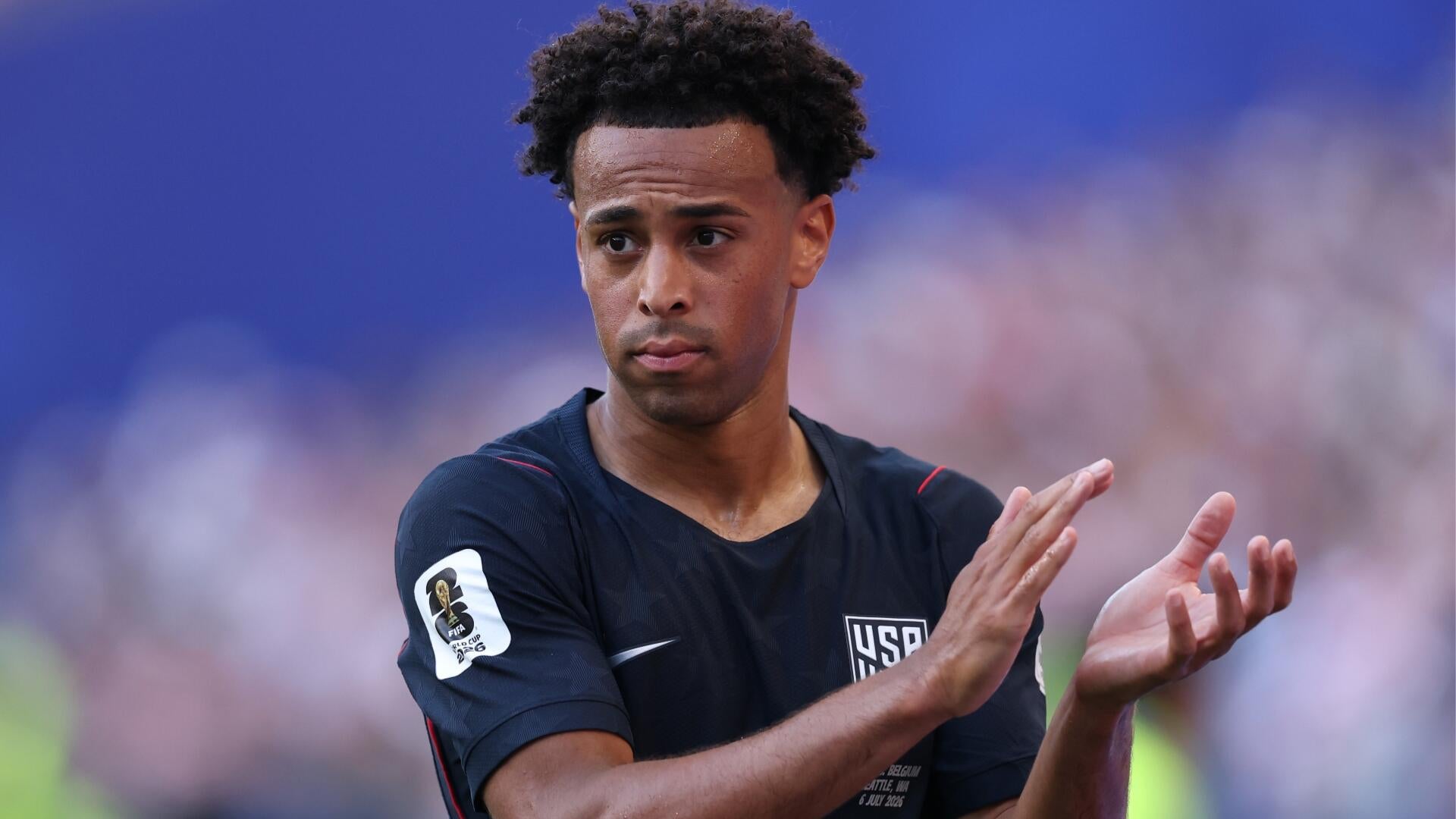
South Africa's football community received word in the early hours of 12 July 2026 that Jayden Adams, a 25-year-old midfielder for Mamelodi Sundowns and a member of Hugo Broos's Bafana Bafana World Cup squad, had died. The confirmation came from Gayton McKenzie, the country's minister of sport, arts and culture, who posted the news to his public social channels shortly before sunrise local time. Adams had travelled back from representing South Africa at the tournament in North America. No cause of death has been disclosed.
A midfield technician who came through the Cape Town academy system before forcing his way into the Sundowns first team, Adams occupied a place in a generational Bafana group that had reached the World Cup as one of the African continent's four qualified sides. His death arrives at the precise moment South African football was counting the dividends of that campaign, and converts a summer of rare optimism into a national inquiry about what the game's institutions owe their players in return.
A career built in compressed time
Adams did not have the long runway most top-flight midfielders rely on. He broke into the professional ranks in his late teens, moved through the junior national team grades, and by his early twenties was a fixture in Sundowns' rotation under coach Manqoba Mngqithi. The Pretoria club, bankrolled by Patrice Motsepe's mining fortune and the most decorated side of the post-2000 South African era, supplied the platform; Adams supplied the press-resistance and distribution that allowed the side's expensive forward line to function.
His selection for the 2026 World Cup followed a season in which he had become a regular in a squad that lifted both the domestic league and the African Football League. South Africa exited the group stage in North America, but Adams had featured. He returned to South Africa in early July and, according to McKenzie's post, had been active with the squad in the days before his death. The minister's wording was plain. McKenzie wrote that he was "shocked and deeply saddened" and offered condolences to Adams's family, the club and the national federation.
What the clubs have said
Within hours, Mamelodi Sundowns and the South African Football Association (SAFA) issued parallel statements. Sundowns described Adams as a player whose "humility, discipline and quality" had defined his time at Chloorkop. SAFA, the federation that administers Bafana Bafana, called him a "dedicated servant of the national cause" and confirmed it was in contact with the family.
Neither organisation disclosed where Adams died, whether he was receiving medical treatment, or whether any post-mortem would be conducted. The pattern is familiar in South African sport: the immediate public statements are framed around grief and institutional solidarity, with medical or pathological detail held back pending family consent and any formal inquiry. That instinct is defensible in the first hours, but it has a half-life. By Monday morning, journalists on the football desks of the SABC and the major print titles will be pressing for a cause, and the clubs will need to decide how much to release.
Why a 25-year-old athlete dies is rarely a private matter
When a professional footballer dies this young, in any country, the question that follows is not morbid but structural. The pattern that emerges from the post-mortem, if one is conducted, typically reads as one of four overlapping stories: an undiagnosed cardiac condition; an undisclosed injury and the medical clearance around it; a road incident; or something off the pitch entirely. Each carries different implications for the club's medical staff, the league's clearance protocols, and the federation's duty of care.
South Africa's Premier Soccer League has had this conversation before. The 2023 collapse of Lorch, and earlier deaths of players including Richard de Mos and the marathon-related incidents that punctuate the league's calendar, have pushed the federation toward more rigorous cardiac screening. Whether those protocols were applied to Adams in the run-up to the World Cup is a fair question, and one the federation will need to answer in due course. The honest answer right now is that the sources do not yet specify it.
A national team, a club, and the politics of grief
McKenzie's intervention is itself part of the story. The minister is a combative figure who uses his platform unapologetically, and his decision to confirm the death on his own channels before the club or the federation did set the day's tempo. South Africa's political class has a documented habit of treating the death of a prominent athlete as a moment to project competence and compassion. McKenzie, who built his public brand on boxing promotion and a combustible media presence, is unlikely to be the exception.
For Sundowns, the reckoning is corporate. The club has spent two decades assembling the deepest squad in South African football, and Adams was one of the players it had invested in most heavily. The financial cost of a top-flight professional, between transfer fees, salary and development costs, runs into the low eight figures in rand terms. The reputational cost, if the death proves to have been preventable, will be higher. SAFA, meanwhile, will be calculating the impact on a national squad whose World Cup cycle has barely closed and whose next assignment is already on the calendar.
What the next ten days will tell us
Two things are likely to happen in quick succession. First, the family, working through the players' union and a lawyer, will publish a timetable for any official medical or forensic process. South African law does not require a post-mortem for a death of this profile to be public, but the family's wishes usually become known within seventy-two hours. Second, the league will face a formal request for clarity on the medical clearance Adams held when he departed for the World Cup and when he returned. That request is not yet on the desk of SAFA's medical officer, but it will be by Monday.
Until then, what remains certain is small and hard. Jayden Adams represented Mamelodi Sundowns and South Africa in the most compressed and most public stretch of his career. He died at 25, in his home country, in the same week the country was still savouring the fact that it had qualified at all. The shape of the rest of the story belongs to the medical file, the family's wishes, and the institutions that will have to account for how they looked after him.
Desk note: Monexus frames this as an obituary with a structural question attached, not as a scandal story. The cause of death has not been disclosed; we are naming the institutional actors that will need to speak in the days ahead, not pre-empting what they say.