Bitcoin tests $62K as the Strait of Hormuz turns into a toll road
A weekend of escalation around the world's most important oil chokepoint pulled Bitcoin back toward $62,000, exposed how thin the diplomatic floor still is, and put a price tag on US naval protection.
Six ships crossed the Strait of Hormuz in the 24 hours to 04:53 UTC on 13 July 2026, according to Telegram channel WatcherGuru, citing live transit data. For a waterway that normally moves close to a fifth of the world's seaborne oil, that is not a slowdown. It is a near-standstill.
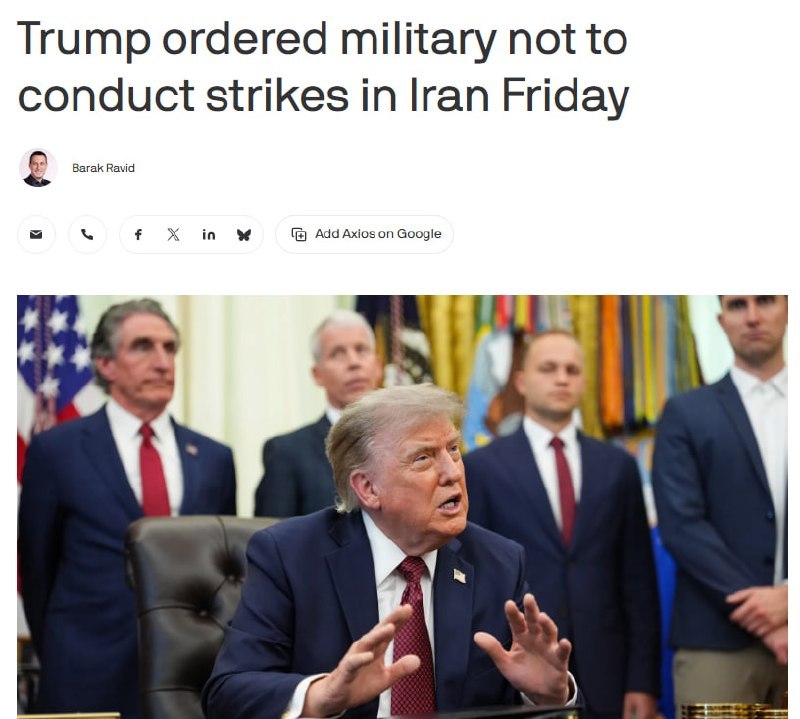
Bitcoin felt the signal first. By 15:05 UTC, CoinTelegraph reported bulls struggling to preserve $62,000 as US equity futures opened lower on the latest rhetoric from President Donald Trump, who declared on 12:17 UTC the same day that the United States "is taking over the Strait of Hormuz" and, an hour later, that countries dependent on the route would have to pay Washington for protecting it. The chokepoint is now a toll booth. The toll booth is now the story.
The trade this week is not really about crypto. It is about whether the world's most important energy artery can be unilaterally administered by the US Navy, and what happens to risk assets, from oil futures to spot Bitcoin, when the answer drifts toward yes.
A blockade in name, a tax in practice
The operational language has hardened in 48 hours. On 12 July at 13:58 UTC, WatcherGuru relayed Tehran's claim that the Strait of Hormuz was "closed until stability is restored," set against a US position that the route remained "open to all vessels." One day later, at 15:05 UTC, the channel reported a reimposition of a US blockade against Iran, a sharp escalation from the duelling-narratives posture of the weekend. CoinDesk, writing earlier on 12 July at 06:18 UTC, framed the move as the third US strike on Iran inside a week, with Tehran again reportedly closing the strait in response.
What is unusual is the tariff line. At 12:24 UTC on 13 July, WatcherGuru transmitted Trump's position that user states must pay the United States for defending the strait. The proposition reframes the US security umbrella as a metered utility. Whether that translates into formal escorts, convoy fees, or insurance repricing is unclear; the political signal is unambiguous. The US, under this administration, intends to invoice its allies for the privilege of free passage on a route none of them control.
The market already spoke
Bitcoin's drop toward $62,000 is less interesting than the cross-asset pattern behind it. Risk-asset routs of this shape typically run oil and US equities first, then gold, then Bitcoin. CoinTelegraph's framing, stocks down, Bitcoin defending a level, is the canonical sequence. It tells you that the marginal trader in 2026 is still treating Bitcoin as a high-beta macro asset, not a sovereign-grade hedge. When the world's most important oil lane goes quiet, Bitcoin does what Nvidia does, with a delay and a bigger multiple.
That matters for positioning. If the dominant Bitcoin trade is "long volatility, short duration," then a Hormuz blockade is the kind of headline that compresses that book. The move toward $62,000 is the visible symptom. The less visible one is basis: perpetual funding rates and front-quarter futures spreads tend to flatten when traders expect more chop, a pattern the wire pieces imply but do not quantify.
The Polymarket signal adds a second dimension. At 14:29 UTC on 13 July, the prediction-market account flagged Trump's claim that the US and Iran had held an 11-hour meeting at which "everything was agreed to" before Tehran began reopening the strait file with new demands. If the diplomatic floor is closer to a deal than the blockade rhetoric implies, the crypto sell-off may be overcooked relative to the underlying news flow. If the Polymarket framing is misdirection, the floor under risk assets is more fragile than it looks.
Dubai reads the map
The structural counter-move is already being built. At 13:44 UTC on 13 July, WatcherGuru reported that Dubai plans a new port designed specifically to bypass the Strait of Hormuz, a thesis corroborated at 14:38 UTC by an X post citing the Financial Times. A bypass port is not a six-month project. It is multi-year infrastructure, sovereign-backed, signalling that the Gulf's principal trading hub now treats Hormuz transit as a structural liability rather than a strategic given.
That single decision tells you where the actual risk premium is sitting. It is not in Bitcoin. It is in the implicit guarantee that oil leaving the Gulf reaches open water. Once a Gulf state starts designing infrastructure around the possibility that the strait is no longer reliably open, the long-run discount rate on Hormuz-dependent trade routes has already moved. The bypass port is the price tag.
Stakes, and what the wires are not telling you
If the blockade posture hardens into a US-administered toll regime, three things happen. Brent widens its risk premium, with knock-on effects on emerging-market debt and on the dollar-denominated oil revenues that fund Gulf spare capacity. Bitcoin's correlation to risk assets firms in the short term, undermining the inflation-hedge narrative its largest holders depend on. And the diplomatic cost of underwriting US naval protection, paid in cash or in political alignment, becomes a permanent line item in the budgets of Tokyo, Seoul, and the EU.
The counter-read is that this is negotiation theatre. The Polymarket-flagged 11-hour meeting suggests a deal architecture is close. The Dubai port is a hedge, not a verdict. And Bitcoin's drop toward $62,000, while real, sits inside a wider range that has held for months. The bull case is that the blockade language is the loudest signal, and the deal is the quieter one.
The honest answer is that the sources do not let you choose between those two reads with confidence. What they do let you say is this: a chokepoint that moved six ships in a day is no longer functioning as advertised. The market is pricing that. Bitcoin is just the most legible place to watch the price.
This desk treated the Strait of Hormuz escalation as the lead variable and Bitcoin as the most legible risk-asset signal, rather than the other way around. The wire pieces report Bitcoin's drop without naming the geopolitical mechanism; this publication names the mechanism.
Wire provenance
This editorial synthesis draws on the following public wire/social posts:
- https://t.me/s/watcher_guru
- https://t.me/s/watcher_guru
- https://t.me/s/watcher_guru
- https://t.me/s/watcher_guru
- https://t.me/s/watcher_guru
- https://t.me/s/watcher_guru
- https://x.com/unusual_whales/status/
- https://x.com/polymarket/status/