Sirik in the cross-hairs: an hour of strikes and the silence that follows
Five strike reports hit open-source channels within an hour on 12 July 2026, all aimed at a single town in southern Iran. The pattern is what the sources show. The interpretation is anyone's guess.
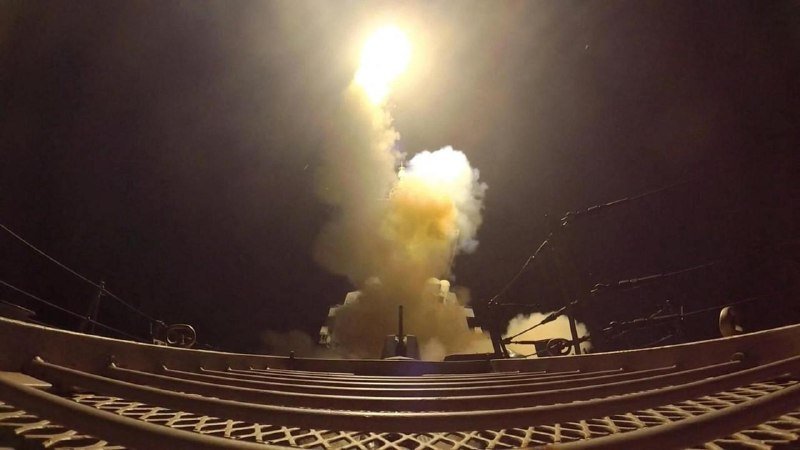
At 21:17 UTC on 12 July 2026, the open-source channel GeoPWatch logged renewed explosions in Sirik, a small town on Iran's southern coast inside Hormozgan province. By 22:15 UTC, an hour later, the Telegram channel intelslava had posted four further strike alerts on the same locality, including a cluster of six explosions around the Tahrowi area. The volume, the compression in time, and the tight geography point to a single, sustained operation against a single target set. What the alerts do not say is who is striking, what is being hit, or how many have been hurt.
The pattern fits a familiar template: a run of geolocated strike reports, no on-the-record attribution, and a silence from official spokespeople that leaves the interpretive work to the wire services hours later. The reporting that exists is granular but thin. The reporting that is missing is what a reader would actually need.
The hour in five alerts
Read in sequence, the thread forms an arc rather than a series of discrete incidents. At 21:17 UTC, GeoPWatch posted "renewed explosions in Sirik." At 21:34 UTC, intelslava reported "further strikes on Sirik, Iran." At 21:54 UTC, the same channel logged a fresh "explosion in Sirik." At 21:57 UTC, three minutes later, it added "six explosions around the Tahrowi area in Sirik." At 22:15 UTC, the sequence closed with "renewed airstrike on Sirik, Iran." Five posts, two channels, one town, 58 minutes. Tahrowi, in local geography, sits inside the Sirik county footprint along the coast, an area long associated in open-source reporting with military and missile-related infrastructure. The channels do not name a target; they name a place and a sound.
The sourcing matters. GeoPWatch and intelslava are OSINT feeds, not on-scene reporters. They aggregate geolocated video, flight-tracking data, and eyewitness accounts forwarded by contributors. They are useful for placing events in time and space. They are not useful for confirming the identity of an attacker, the weapon used, or the casualty toll. A reader treating these five posts as a full account is reading a telegram, not a story.
What the framing assumes
The visual grammar of the alerts is unmistakable. The flag pair and the cross mark at the top of each post are not neutral labels. They assert a US-versus-Iran frame before the reader has processed a single fact. The frame is plausible: the United States has, in recent years, struck Iranian-aligned assets across the region, and Sirik is a known node in Iran's coastal military architecture. The frame is also incomplete. Five strike reports, however confidently captioned, do not establish the attacker's identity. They establish only that something exploded in a known place at a known time.
There is a quieter alternative reading worth holding in mind. Strikes on southern Iranian coastal sites have, in past reporting cycles, been attributed at various times to Israel, to US forces, and to coordinated operations. OSINT channels sometimes default to a US flag in the caption regardless of which actor is involved. The sources in this thread do not resolve the question one way or another; they only assert a frame.
The structural shape underneath
Even stripped of attribution, the geography of Sirik is itself a story. The town sits roughly 150 kilometres west of Bandar Abbas, the capital of Hormozgan province, and within striking distance of the Strait of Hormuz. Any sustained operation against targets in the area is, whether intended or not, a statement about the chokepoint through which a significant share of seaborne oil passes. The thread context does not name a target, but it does name a location, and the location is the point.
A second structural fact is the information environment. Five strike alerts in an hour, two channels, no wire confirmation at the time of writing. The event arrives to a global audience through Telegram first, through Reuters and the wire services later, if at all. That sequencing is not new, but it is now the default. It rewards the channels that post first and punishes the ones that wait for confirmation. The cost is borne by the reader, who has to triangulate.
What remains unresolved
The sources do not specify the attacker. They do not name a target beyond "Sirik" and the Tahrowi sub-area. They do not give a casualty count, a weapon type, or a damage assessment. They do not say whether the operation was completed or interrupted, whether the strikes are part of a longer campaign or a single sortie, or whether Iranian air defences engaged. Any of those facts would change the read of the hour materially. None of them is in the record as of 22:15 UTC on 12 July 2026.
What is in the record is a pattern: a sustained, geographically tight series of explosions inside an hour, at a coastal location whose strategic meaning is well understood, captured by two OSINT channels with a clear editorial line and no independent confirmation behind it. The honest summary is that something happened in Sirik on 12 July 2026, that it was significant enough to generate five alerts, and that almost everything else is, for now, inference.
This article reports only what the open-source thread context documents and the editorial line is independent of any wire that may later carry confirmation.
Wire provenance
This editorial synthesis draws on the following public wire/social posts:
- https://t.me/GeoPWatch
- https://t.me/intelslava
- https://t.me/intelslava
- https://t.me/intelslava
- https://t.me/intelslava