Oil jumps, strikes resume, ceasefire unwinds: the Iran–US arc that hit crypto's macro nerve
US Central Command has launched fresh strikes on Iran and crude has climbed more than 3%, two days after Washington told Tehran the ceasefire was over.
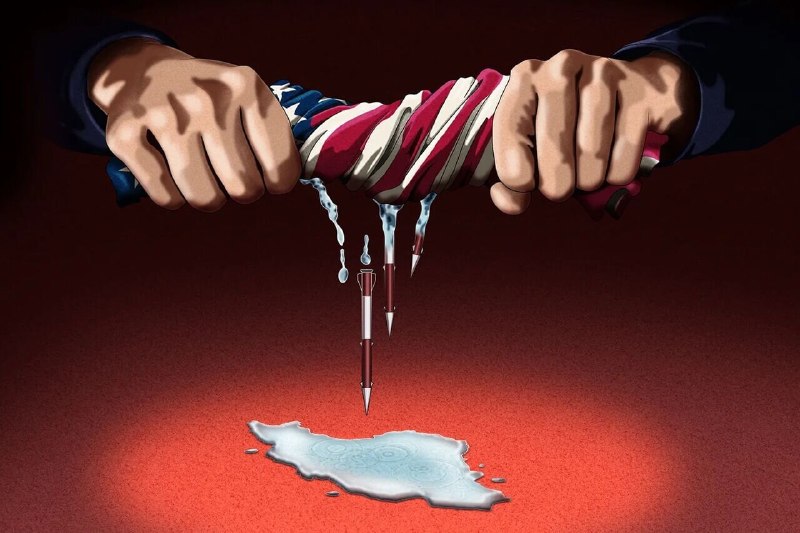
At 23:55 UTC on 12 July 2026, US Central Command announced that its forces had begun launching fresh strikes against Iran, sending crude oil prices up more than 3% inside the same news cycle. The notice, carried over the Cointelegraph wire on Telegram, arrived roughly forty-eight hours after a separate Cointelegraph alert in which Washington was reported to have told Tehran that "the ceasefire is over," even as Iran had asked the United States to continue talks. The arc between those two data points, a declared end to a ceasefire followed almost immediately by a kinetic escalation, is the macro fact that markets, and crypto markets in particular, are now pricing.
The point worth stating up front: this is not a regional flare-up read in isolation. It is a re-pricing event for energy, for inflation expectations, and for the liquidity proxies that have become unusually entangled with digital assets. When crude moves more than 3% on a single session because a major producer is back under direct Western bombardment, the question is no longer whether risk-off flows reach crypto; it is which corner of crypto absorbs them first, and on what terms.
The escalation in plain chronology
On 10 July 2026 at 04:16 UTC, Cointelegraph reported, citing Bloomberg, that the United States and Iran were to continue technical talks despite recent strikes, with Washington still publicly committed to "finding a resolution." Eleven hours later, at 15:10 UTC the same day, the same wire carried a different signal: Iran had asked the US to continue talks, but the US had told Iran that "the ceasefire is over." Two days of silence followed, then the 23:55 UTC notice from CENTCOM on 12 July that operations had resumed.
That is a 72-hour sequence in which diplomatic language was explicitly retired before kinetic action restarted. For traders watching the Brent tape, the sequencing matters more than the headlines do. A ceasefire that is publicly declared dead on a Thursday afternoon, followed by a strike package that lands before the weekend, is the kind of pattern that lifts insurance premiums on Gulf shipping, tightens crude calendars, and forces positioning adjustments into the Sunday open.
The oil demand shock underneath the strike
What makes the price reaction sharper than usual is what the IEA said on 10 July at 11:20 UTC. According to Cointelegraph, the International Energy Agency now expects global oil demand to decline in 2026 for the first time since the COVID-19 pandemic, attributing the move to disruptions caused by the Iran war. A supply shock delivered into a demand-shock year is a textbook stagflation setup: consumers pay more for less, and the price elasticity that normally buffers a war premium does not exist.
For the Gulf producers, the IEA call is the worst combination. Their spare capacity is most valuable precisely when demand is growing; in a contracting-demand year, every barrel they lose to war is a barrel they cannot redirect to a customer base that is shrinking for non-conflict reasons. Read in that frame, Tehran's incentive to keep the Strait of Hormuz contested, and Washington's incentive to keep the sea lane open even at the cost of escalation, both look rational on their own terms and jointly lethal for the Brent curve.
How the move lands in crypto
Three transmission channels connect the strike tape to digital-asset markets, and they operate on different time horizons.
The first is the dollar channel. A more than 3% move in crude on a strike headline typically lifts the dollar via safe-haven flows and oil-importer concerns. A stronger dollar tightens global liquidity, which historically has been a headwind for uncollateralised risk, including bitcoin, particularly in the first 24 to 72 hours after the shock. Bitcoin's reaction to energy-driven dollar spikes has been more muted than its reaction to rate-driven dollar spikes, but the asymmetry is a feature, not a bug: energy shocks tend to push oil-importing emerging-market central banks to defend currency rather than to cut rates, which keeps the front end of the curve tight.
The second is the inflation-expectations channel. If consumers expect higher fuel prices for longer, breakevens rise and the real yield that has been the dominant variable for crypto valuations in this cycle stays sticky. Crypto has spent two years trading like a long-duration asset; it now sits in a market where the duration premium is being questioned.
The third is the safe-haven reflex. A strike package on a major oil producer, delivered into a shrinking-demand year, is the kind of event that historically pulls small but real flows into bitcoin from investors who treat it as a non-sovereign store of value. That reflex is uneven, and it depends on whether equities are selling off in sympathy. When equities and oil sell off together, the safe-haven bid is real; when equities rally on the same headline, the bid is muted. The 12 July print, with crude up and risk assets under pressure, is the configuration where bitcoin has historically held its bid relatively well.
What Ankara and Islamabad are doing with the spillover
Two non-Western responses are already visible in the source material. On 12 July at 19:31 UTC, Cointelegraph reported that Pakistan's crypto regulator has called for dialogue after Islamic scholars ruled against using crypto for payments. The Pakistani episode is a useful reminder that the regulatory temperature around digital assets in the Muslim-majority world is set by a different authority structure than in the West: religious councils can move faster than legislatures, and the regulator's job is to negotiate a path, not to overrule. The Pakistan Securities and Exchange Commission framing, dialogue rather than prohibition, is the same template several Gulf and Southeast Asian regulators have used.
The second is the Iranian calculation itself. Tehran has continued to ask Washington for talks even as strikes resume, a posture that suggests the regime is trying to keep a diplomatic channel live while absorbing kinetic punishment. That posture is consistent with a leadership betting that time, and the demand-side drag the IEA has now named, will eventually compress Washington's tolerance for sustained escalation. It is also consistent with a leadership that has learned to operate under sanctions for decades and treats a closed strait as a bargaining chip rather than a disaster.
The structural frame, in plain prose
The pattern visible across the 10 and 12 July wires is the unwinding of a managed de-escalation. "Managed" is the operative word. There was a period when both Washington and Tehran appeared to want the temperature down, and the visible price of that posture was a string of technical-level meetings and quiet back-channels. The 10 July Bloomberg-sourced line, that Washington was "still committed to finding a resolution," was the public face of that arrangement. The same day's Cointelegraph item, that the US had told Iran the ceasefire was over, was the public face of its end.
What changed is the price of patience. With the IEA now calling for a pandemic-era demand contraction, the political cost of letting oil float above a comfortable band is rising on both sides. For the United States, an oil spike into an election year is a tax on consumers that the administration absorbs directly. For Iran, a contracting-demand market reduces the value of its barrels at exactly the moment when its infrastructure is taking damage. Two administrations with rising incentives to move, moving against each other, is the configuration that produces 3% intraday moves.
For crypto, the operational takeaway is straightforward. Energy-driven inflation shocks are not the same as rate-driven inflation shocks, but in the first 72 hours they trade similarly: tighter dollar, weaker front-end liquidity, choppier beta. The safe-haven bid, when it comes, comes late and partial. Position sizing for the next two weekly closes should reflect that the ceasefire is not coming back on the terms it was declared dead.
This article draws on Cointelegraph Telegram wire alerts carried between 10 and 12 July 2026; the underlying public reporting referenced by those alerts (Bloomberg, IEA, CENTCOM) is cited via the Cointelegraph URLs in the source list. Monexus framed the escalation as a managed de-escalation unwinding rather than a surprise breakout, in line with the timing pattern visible across the four wire items.
Wire provenance
This editorial synthesis draws on the following public wire/social posts:
- https://t.me/s/cointelegraph
- https://t.me/s/cointelegraph
- https://t.me/s/cointelegraph
- https://t.me/s/cointelegraph
- https://t.me/s/cointelegraph
- 15 JulPakistan's Crypto Reckoning Meets a Shifting Gulf, as US-Iran Strikes Send Oil Sharply Higher
- 14 JulOil jumps 3% as US strikes on Iran reopen the energy-risk premium, and Pakistan's crypto fight adds a quieter fault line
- 13 JulOil, oil everywhere: Iran shock hits a market already preparing for less demand