Bellingham's brace drags England past Norway and into a semi-final nobody saw coming
Jude Bellingham's extra-time brace erased a one-goal deficit and a spidercam controversy in Florida heat, sending England into a second World Cup semi-final in three editions and leaving Norway to argue about millimetres.
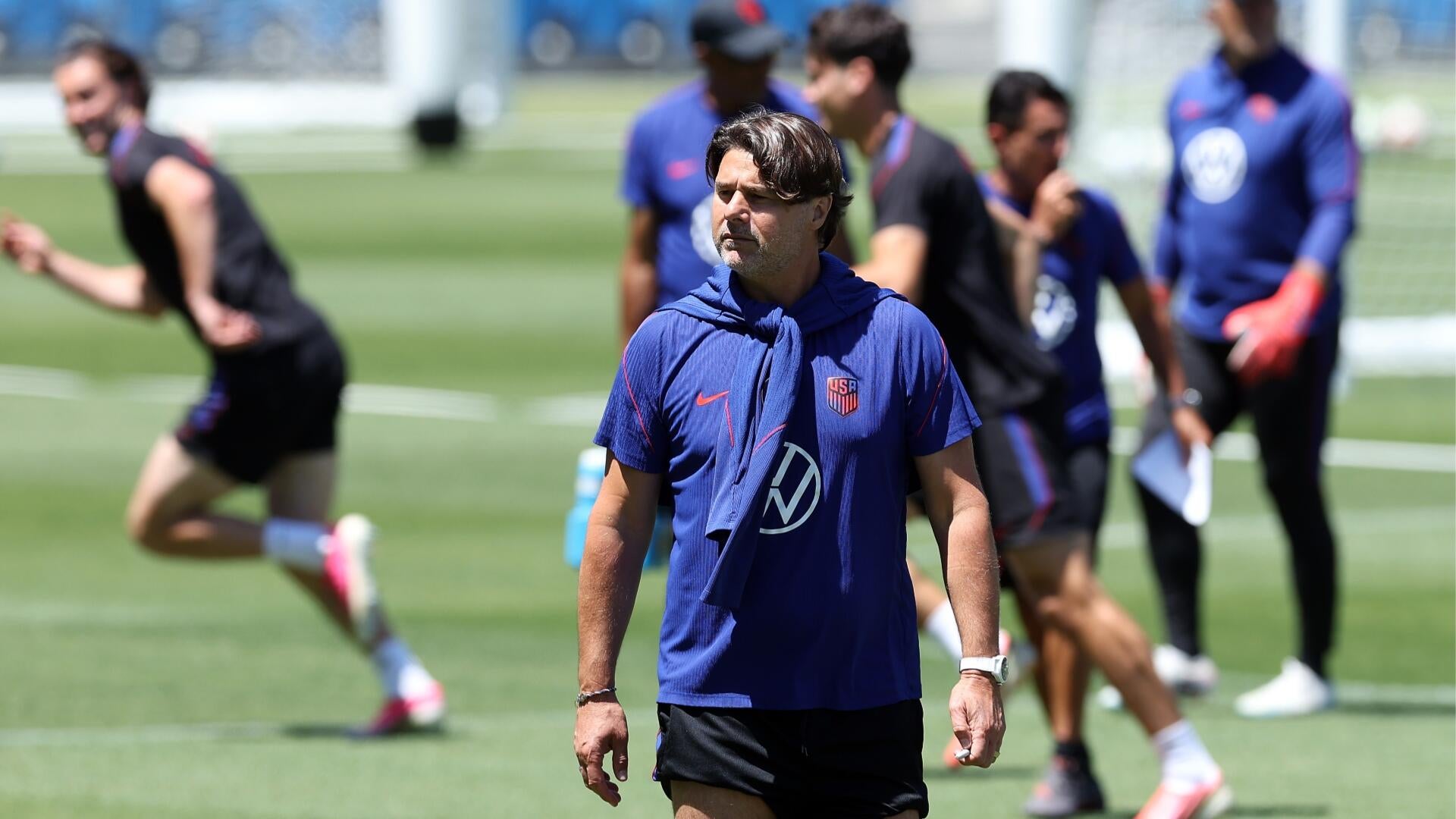
Jude Bellingham scored twice in the Florida heat, the second a deflected strike six minutes into extra time, to send England into the World Cup semi-finals with a 2-1 comeback victory over Norway on 11 July 2026 and leave one of the tournament's quietest favourites to argue with a spidercam and a Snicko reading. Norway, who had led through a scrappy first-half set piece, finished the quarter-final a man and a grievance down, with their bench still asking whether Bellingham's 80th-minute equaliser should have stood because the ball appeared to brush an overhead broadcast rig on its way through to goal.
The result, reported across BBC Sport, ESPN, CBS Sports, France 24 and The Indian Express in the hours after full time, continues a pattern at this tournament that the bracket keeps rewarding: the team that finds a goal late, rather than the team that builds structurally, walks on. England's route through the knockout rounds now bends toward a semi-final in the United States, against an opponent to be confirmed in the closing fixtures of the round. Norway go home having shown the shape of a serious side, but without the single moment that serious sides need.
What actually happened in Miami
The match sat in the 90-minute regulation window the way a great many knockout games at this World Cup have: contested, technical, low on clear chances, and decided by a single defensive lapse. Norway took the lead in the first half through a set-piece routine that BBC Sport's live coverage tracked but did not overstate, and England spent the next forty-five minutes circling the box without breaking through. The equaliser came in the 80th minute when Bellingham, operating in the channel between Norway's centre-backs and midfield screen, met a cross that appeared to dip on its way past the goalkeeper and into the net. The Norwegian players immediately gestured toward the spidercam suspended above the goal-line, arguing that the ball had clipped the broadcast equipment before crossing. A post-match Snicko-style analysis published by BBC Sport concluded that contact, if any, did not displace the ball's trajectory in a way that would have invalidated the goal. Norway's camp left the stadium unconvinced, according to the same report.
Extra time, played in conditions CBS Sports described as sweltering, tilted the game. Bellingham's winner in the 96th minute took a deflection off a Norwegian defender on its way through, a finish that ESPN's report characterised as opportunistic rather than ornamental. From that point the contest became a study in game management, with England's midfield shielding the back four and Norway pressing without quite enough runners in behind.
The tactical read
The story CBS Sport's Tom Sanderson placed at the centre of his dispatch was not really about the goals. It was about risk appetite. England's head coach, having absorbed criticism in the group stage for an over-cautious shape, again set up to concede possession and territory, inviting Norway to break them down rather than the other way around. The bet was that England had the superior individual quality to convert one of the few transitions that Norway's high press would concede. The brace vindicated the manager's plan without validating its aesthetics. Sanderson's framing, that England advanced as a "risk-averse" side over a "tepid" opponent, will draw pushback from supporters who will argue that pragmatism is its own form of beauty at a World Cup. The numbers, as far as the published accounts allow a reader to reconstruct them, support the conservative characterisation: Norway had more of the ball for long stretches, and England had the two moments that mattered.
The Indian Express dispatched a column framed in more heroic register, leaning on the cliché that pressure reveals character. Both readings can be true. A team can win ugly and still have won.
The spidercam question
Norway's grievance deserves a paragraph rather than a footnote. Modern broadcast rigs float on fine cables above the goal-line at most major venues; the gap between rig and crossbar is small but rarely litigated. If the ball had demonstrably struck the camera housing and altered its path, the goal would have been ruled out under the Laws of the Game for an external agent interfering with play. BBC Sport's reporting cites a Snicko analysis indicating that the contact, if it occurred, was glancing and did not change the ball's line. France 24's piece, which foregrounded Norwegian supporter reaction rather than technical forensics, captured the emotional residue: a campaign ended by a margin a viewer at home could not see.
The structural point is that VAR, for all its costs in stoppage time and procedural delay, does not arbitrate interference from broadcast equipment in real time. Officials rely on post-match acoustic and visual reconstruction. That is a small procedural gap in a tournament otherwise defined by technological scrutiny of every touch.
What it means from here
England now wait on the other quarter-finals. The semi-final, scheduled for later this week in the United States, will be their second in three editions, a run that places the current squad in a band of post-2018 English sides that have reached the final four with some regularity. Whether that record translates into silverware is the question that has hovered over every iteration of this group, and this one is no different. The talent is plain. The coherence, on nights like this, is improvised rather than constructed.
Norway, by contrast, exit a tournament in which they had been among the quieter fancied sides, with a young squad whose ceiling is plainly higher than this result. Their manager will spend the autumn answering questions about the goal that did not stand, and about why a team built to absorb pressure could not generate a second of their own. The honest answer, which the post-match coverage mostly avoids, is that in tournaments like this one, a single moment is rarely a refereeing injustice; it is usually the shape of the match collapsing under a single sustained spell of pressure. Norway's collapse was England's spell, and Bellingham owned it.
Nuance and what remains contested
The published accounts disagree on three points that are worth naming plainly. First, the spidercam incident: BBC Sport reports that post-match analysis does not support Norway's protest, while France 24's supporter-led reporting captures a perception inside the stadium that something had gone wrong. Second, the tactical characterisation: CBS Sport calls England risk-averse, The Indian Express calls them crisis-proof, and the truth probably sits between the two and depends on whether the writer watched the full ninety minutes or only the decisive seven. Third, the temperature: CBS Sports used the word "sweltering" to describe conditions, while the official match report does not specify a figure. Readers looking for a definitive line on any of these would do well to wait for the technical report that FIFA traditionally publishes forty-eight hours after a knockout match.
What the sources do establish, cleanly and without contradiction, is the result, the two goal-scorer identities and timings, and the existence of a Norwegian complaint that has not yet been formally adjudicated. Everything else is editorial texture.
This piece was framed as a tactical and procedural story rather than a celebration of individual brilliance. The wire led with the goals; Monexus read the match through the manager's choices and the goal that almost wasn't.
Wire provenance
This editorial synthesis draws on the following public wire/social posts:
- https://t.me/IndianExpress/24873