Sirens in Bahrain, blasts in Kuwait: what the early-hour reports do and do not tell us
Warning sirens reactivated in Bahrain and unverified reports of explosions in Kuwait and Manama circulated on 12 July. The sourcing is narrow, the picture is incomplete, and the implications run straight into the Gulf's standing crisis with Tehran.
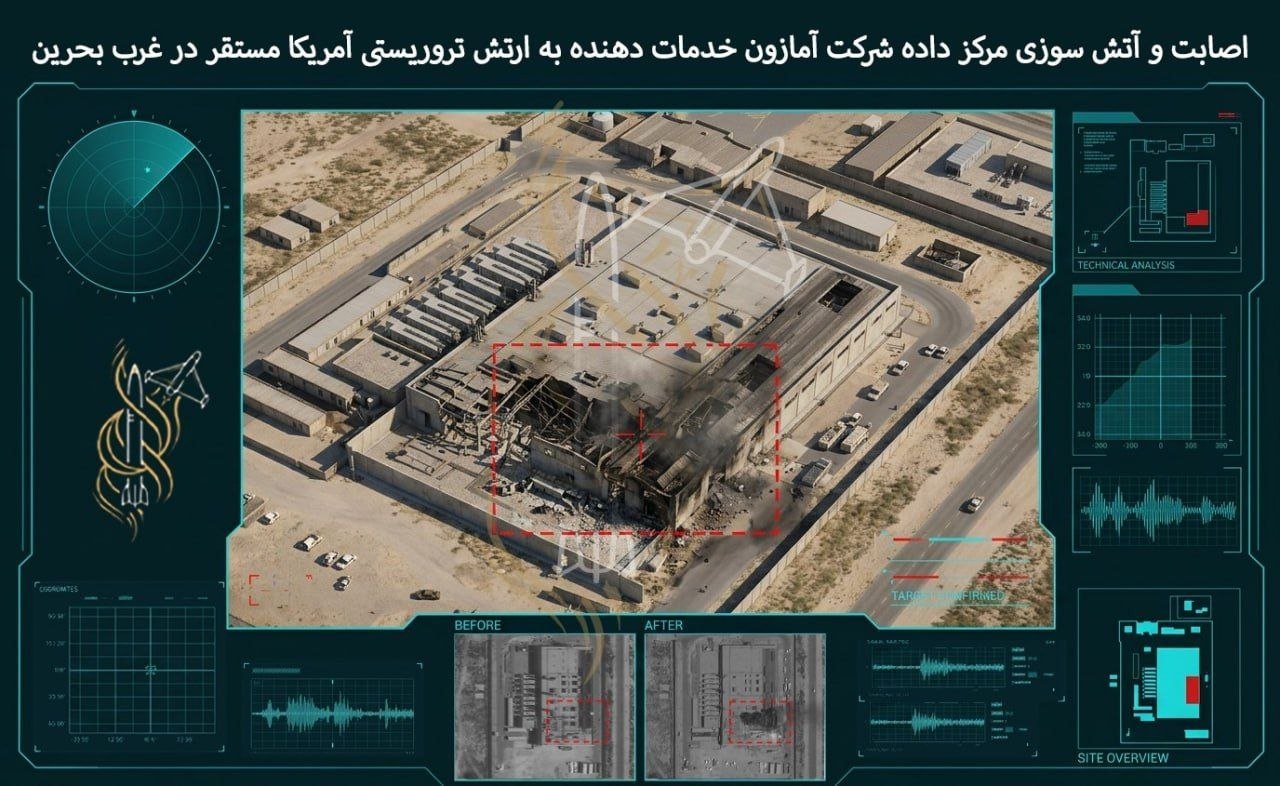
At 06:42 UTC on 12 July 2026, Bahrain's Ministry of Interior announced the reactivation of the kingdom's warning sirens, hours after Iranian state-affiliated outlets began carrying reports of explosions heard in both Bahrain and Kuwait. The Bahraini interior ministry's announcement, relayed by the Tasnim News Plus Telegram channel at 06:41 UTC, did not specify the cause. Tasnim's English channel separately reported at 06:50 UTC that "some media" had reported explosions in the two Gulf monarchies, and a 05:17 UTC item from Tasnim Plus described "severe explosions" in both countries. As of the timestamps on the wire, no Bahraini, Kuwaiti, Iranian, US, or Israeli official had publicly claimed responsibility for any strike, and no casualty figures had been published.
The early reporting captures a sequence worth taking seriously without overreading. Bahrain's decision to reactivate air-raid-style sirens is itself the most concrete verified fact in the thread; the explosion reports are, at this stage, an adjacent and still-unverified claim from outlets with a known editorial alignment. The gap between those two categories of evidence is the story.
What Bahrain actually confirmed
The Bahraini interior ministry's reactivation of sirens is the single hardest fact on the record. Tasnim Plus carried the interior ministry's statement at 06:41 UTC, describing the reactivation and adding that "some sources also reported hearing the sound of several explosions in Bahrain." That second clause is the channel's own gloss, not a Bahraini government statement. The ministry has not, on the materials available, attributed any cause or named any origin for the alert.
In practical terms, the siren reactivation signals that Bahrain's civil-defence posture has moved from peacetime routine to a posture consistent with an inbound-threat scenario. Bahrain hosts the US Navy's Fifth Fleet and the Naval Forces Central Command (NAVCENT) at Mina Salman, and is a non-permanent member-state of the Saudi-led coalition that entered the Yemen war in 2015. Any activation of public-warning infrastructure in Manama has to be read against that fixed military geography, not as a routine drill.
The Tasnim thread and what it is
The wire items driving this article all originate from Tasnim News and its Tasnim News Plus channel, both run by the Islamic Propaganda Organization, a foundation tied to Iran's Islamic Revolutionary Guard Corps. That provenance matters. Tasnim is the dominant Iranian outlet for IRGC communiqués, and its reporting on incidents inside other Gulf states typically carries an angle consistent with Tehran's framing of its adversaries. Its reporting is not invented, but it is selected and angled. The 06:50 UTC item on Tasnim's English channel is explicit about sourcing: "some media reports that explosions were heard in Kuwait and Bahrain," not that Tasnim's own correspondents in Manama or Kuwait City verified the blasts.
Independent verification from Bahraini, Kuwaiti, US military, or major Western-wire sources has not yet appeared on the public record in the materials this article draws on. Reuters, Associated Press, and Agence France-Presse have not, in the items available, posted confirmation; Bahrain's state news agency (BNA) and Kuwait's KUNA have not been cited. Until one of those wires moves, the explosion reports sit one rung below the siren announcement in evidentiary weight, and the article has to be honest about that.
What sits underneath the headline
The structural backdrop is the wider crisis that has run, with intermittent pauses, since 7 October 2023 and the opening of the Iran-Israel exchange-of-strikes track in April 2024. Gulf states from Bahrain to the UAE have spent the intervening period hardening civilian infrastructure, integrating air-defence coordination through the US Central Command umbrella, and quietly diversifying energy-export routes around the Strait of Hormuz. A live incident in Manama or Kuwait City, even a small one, lands on top of that preparation.
The pattern this kind of event typically forces on regional governments is familiar: a scramble for attribution, a public posture of calm, and behind it a private set of conversations with Washington about force posture, missile-defence coverage, and the political cost of being seen as a target. The smaller the actual incident, the more carefully Bahraini and Kuwaiti officials will want to manage the public read of it; the larger the incident, the less control any side has over the framing.
What remains genuinely unknown
Several pieces of information that a reader would normally expect to find are simply not in the public record as of the timestamps on the thread. The Bahraini interior ministry has not said what triggered the reactivation, whether it was a missile, a drone, a test, or a false alarm. Kuwait's government has not been cited as confirming or denying the explosion reports at all. No casualty count has been published. No country has claimed the action, and no Iranian, Israeli, Houthi, or Iraqi militia channel has so far appeared in the available material with a statement of responsibility. The thread also does not establish whether the sirens in Bahrain and the reported blasts in Kuwait are one event or two.
Until those gaps close, the responsible editorial position is to record what Bahrain confirmed, attribute the explosion reports to their actual source, and resist the temptation to assemble a narrative out of fragments. Gulf security incidents in this period tend to acquire a full story within twelve to twenty-four hours; the first three hours, as a rule, reward caution.
Desk note: Monexus led with Bahrain's own interior-ministry statement and Tasnim's own framing for the explosion reports, rather than paraphrasing either into a single unattributed scene. Where the wire items disagree about severity, "some media reports" versus "severe explosions", the article preserves both phrasings and lets the reader weigh the sourcing.
Wire provenance
This editorial synthesis draws on the following public wire/social posts:
- https://t.me/tasnimnews_en/
- https://t.me/tasnimplus/
- https://en.wikipedia.org/wiki/Bahrain%E2%80%93Iran_relations
- https://en.wikipedia.org/wiki/United_States_Navy_Central_Command