Pressure campaign and a Hormuz table: how US leverage on Iran is being recalibrated
With US and Iranian envoys meeting in Oman over the Strait of Hormuz, and a senior intelligence source telling Press TV that Washington is pairing coercion with media pressure, the question is whether the talking track survives the escalation track.
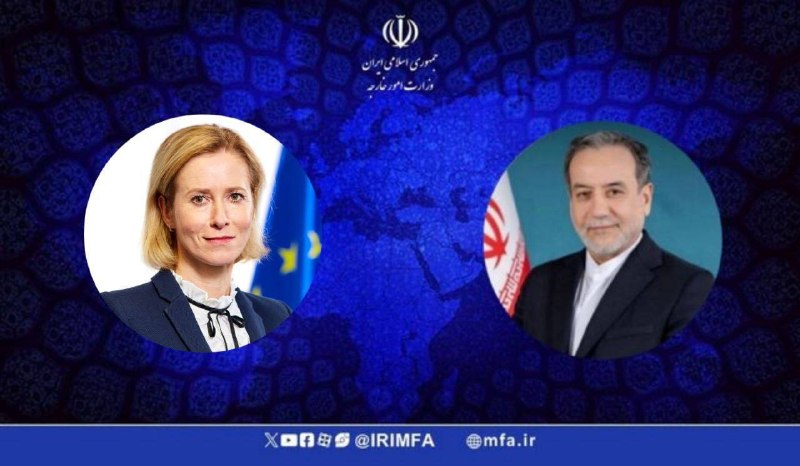
On 11 July 2026, US and Iranian delegations sat down in Oman for talks on the future of the Strait of Hormuz, the narrow waterway through which a meaningful share of seaborne oil reaches global markets, according to a Reuters wire circulating at 17:50 UTC. The same afternoon, a self-described "high-ranking source in intelligence agencies" told Press TV, as relayed by the X account @sprinterpress at 18:18 UTC, that Washington is intensifying "the campaign of pressure and threats against Iran" while simultaneously using "media outlets" as part of that pressure. Two signals, two channels, one afternoon. The question they jointly raise is whether the Omani table is the off-ramp from the pressure track, or part of it.
The picture Monexus finds coherent with both items is not a contradiction but a familiar diplomatic choreography. Pressure and talks are not opposites; they are paired instruments. The Iranian account frames the meeting as a hostage to American coercion, useful domestically as proof of bad faith. The Reuters line presents the meeting on its own terms, as an attempt to negotiate the governance of a strategic corridor. Both can be true at the same time, and the gap between them is itself the field on which the diplomacy will be fought.
What Reuters says is actually on the table
Reuters reports the meeting is taking place in Oman and frames it around "the future of the strategically vital waterway." That language is loaded in a particular way. It puts the strait's governance, not Iran's nuclear file or its regional proxy network, at the centre of the conversation. The Strait of Hormuz is the maritime chokepoint between Iran, Oman and the UAE through which crude from the Gulf exporters reaches the Indian Ocean. Any formal arrangement, whether a confidence-building regime, an inspection protocol, or an unspoken understanding about transit, would touch the interests of Saudi Arabia, the UAE, Iraq, Kuwait, Qatar, and the major Asian importers that depend on Gulf barrels. Reuters's framing, by anchoring the talks to the waterway, narrows the agenda in a way that the Iranian account, by contrast, widens into a generalised complaint about pressure and media warfare.
The Iranian counter-frame
The Press TV account, paraphrased by @sprinterpress, makes two claims. First, that US authorities are intensifying pressure and threats against Iran. Second, that Washington is using "media outlets" as part of that campaign. Press TV is an Iranian state broadcaster and its framing must be read as the official Iranian counter-narrative rather than an independent assessment; it is useful here precisely because it tells us what Tehran wants its domestic and regional audience to hear on the day talks begin. The Iranian line is that the table in Muscat or elsewhere in Oman is not a sincere negotiation but the soft edge of a coercion strategy that runs through sanctions enforcement, naval posture in the Gulf, and Western-aligned press coverage. This is a real argument, even when it is also a propaganda move. Coercion and negotiation are routinely conducted by the same governments in the same week; the dispute is over whether one predominates, and over who gets to define the terms.
Why the gap between the two frames matters
Western wire coverage of US-Iran contacts over the past several years has tended to treat the meeting itself as the headline: who is in the room, where, and what document is on the table. Iranian-aligned coverage has tended to treat the surrounding posture, sanctions, deployments, and editorial pressure, as the headline. The two approaches reflect different theories of leverage. The first treats talks as productive when they happen. The second treats talks as cosmetic when they occur under duress. Neither reading is wrong by itself. The analytical problem is that the wires and the Iranian channels are not even describing the same object: one is reporting an event, the other is reporting a structure of pressure within which the event sits.
This is the gap the public has to bridge. A meeting held under sanctions, with carrier strike groups nearby, and with editorials calling for regime isolation, is not the same diplomatic event as a meeting held under quiet routine. Whether the current round looks more like the first or the second will not be settled by either Reuters or Press TV. It will be settled by what, if anything, comes out of the room, and by whether the pressure track visibly eases or escalates in the days that follow.
The structural frame, in plain language
Strip the rhetoric away and what is on display is a recurring pattern in US-Iran contact. The United States brings to the table a combination of sanctions, military presence in the Gulf, and coordinated messaging through allied outlets and English-language wire copy. Iran brings to the table its control over the strait, its network of partners across the region, and an information environment in which any concession can be sold at home as a victory wrung from a hostile power, and any failure as proof that talks were theatre. Both sides treat media as a theatre of operations in its own right, not merely a passive channel. The Press TV claim that Washington is using "media outlets" as part of its pressure campaign is, on this reading, simply the Iranian description of a practice the Western press would more politely call "messaging" or "narrative alignment." The disagreement is about which side is doing it more aggressively, and on whose behalf.
Stakes, and what to watch
If the Oman track produces anything concrete, the most likely currency will be confidence-building around the strait rather than a comprehensive deal. That can take the form of deconfliction arrangements, prisoner releases, unfreezing of limited funds, or a public joint statement framing the talks as ongoing. None of that requires a resolution of the nuclear file. If, on the other hand, the pressure track intensifies in the days around the meeting, the Iranian framing of "talks under duress" will harden at home, and the regional players who depend on calm Hormuz traffic, from the UAE's port operators to India's refiners, will price in disruption. The wires to watch in the next forty-eight hours are whether Reuters, AP and the Gulf-based English-language outlets report any joint language emerging from Oman, and whether Press TV and Tasnim escalate their "pressure and threats" line in parallel. The signal that the talks are real is movement; the signal that they are cover is the absence of movement combined with louder rhetoric on both sides.
Desk note: where Western wires led on 11 July with a procedural Oman frame, Monexus paired that with the Iranian state-aligned counter-frame from Press TV and let the disagreement stand, rather than collapsing the story into a single narrative about either talks or coercion.