Nolan's Odyssey meets the algorithm: 700,000 dislikes and a culture-war trailer
Christopher Nolan's first full trailer for The Odyssey has drawn more than 700,000 dislikes on YouTube. The director's reply was two words long; the debate around it is considerably longer.
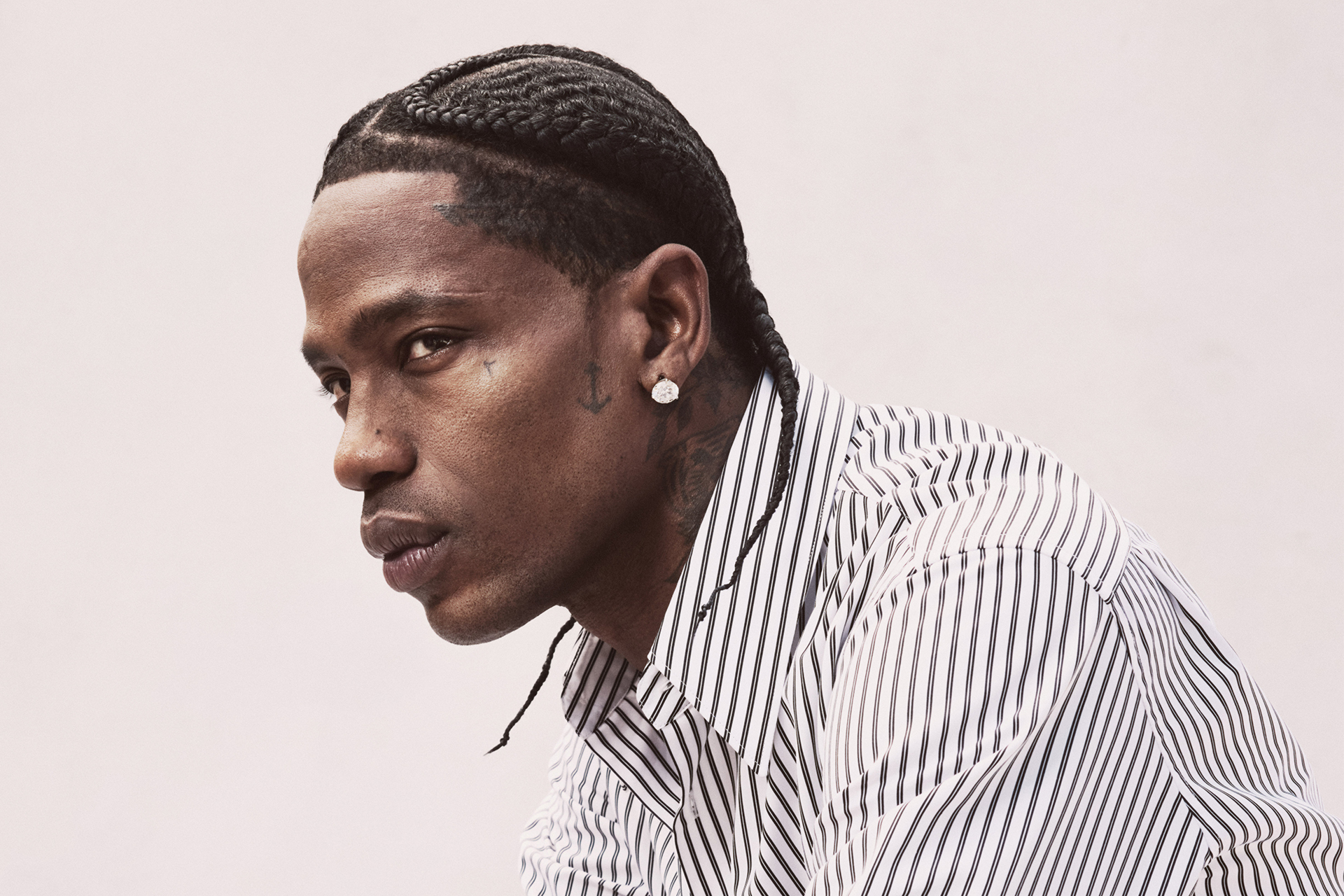
On 11 July 2026, the first full trailer for Christopher Nolan's The Odyssey crossed a threshold most marketing teams would prefer to avoid: more than 700,000 dislikes on YouTube, against a still-substantial count of favourable reactions, hours after release. Nolan's reply, when asked about the pile-on, was short enough to fit in a headline: "Comes with the territory." [1]
The trailer is the opening move in the run-up to a film that, on paper, is the closest thing to a guaranteed event release the industry can still build: an IMAX-scaled adaptation of Homer, financed and distributed by a major studio, helmed by a director whose last original feature crossed a billion dollars at the box office. The reception suggests that for a slice of the audience, anticipation has curdled into something closer to refusal. The question is what that refusal is actually about, and whether it tells us more about the film or about the platform it is being watched through.
A director, a trailer, a count
The first full trailer for The Odyssey was released on 10 July 2026 and racked up a seven-figure reaction count inside its first day, with dislikes outpacing likes by a ratio that became the story. Reporting from the social-account tracker @pirat_nation summarised the response on 11 July 2026 at 18:00 UTC, noting Nolan's two-word dismissal of the criticism when pressed. [1] The figure is drawn from YouTube's own public counters, which the platform has, in recent years, stopped displaying publicly on most videos outside the studio-official "official artist channels" tier, a change that itself narrowed the surface area for these pile-ons even as it kept the underlying mechanic alive.
The trailer's content did the rest. Nolan has publicly framed the project as an attempt to strip out what he called "cultural prejudices" baked into centuries of adaptation, in remarks reported by the prediction-market account @polymarket at 00:40 UTC on 11 July 2026. [2] The trailer's casting choices, announced in earlier cycles, have already drawn the kind of commentary that no longer waits for reviews.
What the dislikes actually are
Three readings of a 700,000-dislike count are circulating, and they are not equally weighted.
The first is the literal one: a portion of the audience has watched the trailer, disliked what they saw, and pressed the button. The second is the algorithmic one. YouTube's recommendation engine has, for years, been documented by researchers and journalists as rewarding engagement of all kinds, including negative engagement. A video that provokes a dislike is, on most metrics the platform surfaces, a video that performed. The third is the cultural-war one: a trailer becomes a proxy for arguments about casting, fidelity to source material, and whose story a classic is allowed to be in 2026. The dislike count, in this reading, is closer to a signature than a survey.
All three are partly true. The first reading is real because the threshold is high; the second is real because YouTube's surface design has long favoured provocation; the third is real because the casting decisions the trailer surfaced were going to draw this debate regardless of the platform. Which reading dominates depends on who you ask, and what they were already arguing about.
Nolan's counter-frame
For his part, Nolan is doing what directors in his position have done since the platform era began: refusing to treat the dislike count as a referendum. His remarks about doing away with "cultural prejudices" in adapting the ancient world, captured by @polymarket at 00:40 UTC on 11 July 2026 [2], sit alongside the trailer as the second half of the same argument. The implicit claim is that adaptation is an act of selection, and that the selections previous generations of filmmakers made were not neutral either.
That framing has its own defenders and detractors, and the trailer's reception is the loudest exchange between them so far. What is harder to dispute is that Nolan's response, both the public remarks and the two-word dismissal, is calibrated to push past the reaction count and back to the film. Whether that holds for an audience now trained to read a like-to-dislike ratio as a verdict is a different question.
What to watch next
The dislike count will keep moving. Two dates matter: the trailer's first full week of dwell time, which will tell us whether the ratio settles or compounds; and the film's release window itself, when the ratio will be overtaken by the harder number of ticket sales. Nolan's track record on opening weekends has been strong enough that a trailer backlash, on its own, is unlikely to move the needle on the studio's commercial calculus.
The larger story is the one the trailer sits inside: the merging of film marketing, platform metrics, and culture-war argument into a single object, where a director's two-word reply is forced to do the work of an essay. Nolan's "Comes with the territory" is, in that sense, less a dismissal of the backlash than an acknowledgement that the backlash and the film are now part of the same release cycle. The territory, for better or worse, is the algorithm.
Desk note: Monexus has treated the dislike count as a platform event first and a culture-war artefact second; wire coverage has tended to reverse that weighting. The director's two-word reply is sourced from the @pirat_nation post of 11 July 2026 at 18:00 UTC; the remarks on cultural prejudice are sourced from the @polymarket post of 11 July 2026 at 00:40 UTC.