Jayden Adams, South Africa World Cup midfielder, dies at 25
Mamelodi Sundowns and South Africa midfielder Jayden Adams has died at 25, weeks after his World Cup appearance, prompting grief from the South African Football Players Union.
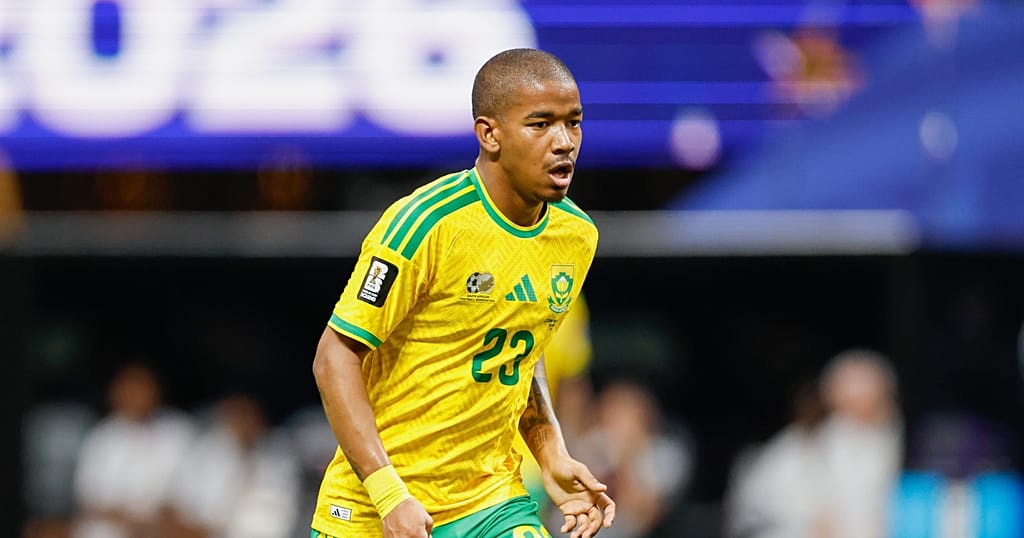
Jayden Adams, the Mamelodi Sundowns and South Africa midfielder, died on 11 July 2026 at the age of 25, just weeks after pulling on the Bafana Bafana shirt at a World Cup finals. BBC Sport first reported his passing earlier in the day, and the South African Football Players Union later confirmed the news that ESPN relayed internationally. The club had not, at the time of writing, published a detailed cause of death.
For South African football, the loss lands inside a season that was supposed to be the brightest stretch of Adams's career. Sundowns, the Tshwane-based club that has dominated domestic football for a decade, had just seen him return from the highest stage a national-team player can reach. His death pulls that arc sideways and forces the conversation in Pretoria, Chloorkop and the wider Premier Soccer League to shift from tactics to grief.
What is confirmed, and by whom
Three independent confirmations arrived within hours of each other. BBC Sport's initial report framed Adams's death as that of a World Cup midfielder, naming his club and country, and a BBC World service Telegram channel repeated the wire shortly afterward. ESPN then cited the South African Football Players Union (SAFPU) directly, elevating the report from wire-level to union-confirmed. SAFPU's standing as the recognised player representative body in South Africa is what gives the second confirmation its weight: in a country where footballers have historically fought for collective bargaining rights, the union does not put its name to a death lightly.
The reporting leaves specific questions open. Cause of death has not been disclosed. The club had not issued a separate statement at the time of publication. No family statement had been published in the sources reviewed. Each of those gaps is normal in the first hours of a sudden-death story, but each is also the kind of detail that will draw scrutiny once fuller accounts emerge.
A career compressed into 25 years
Adams came through the system that has fed Mamelodi Sundowns their recent dynasty: the club's academy in Chloorkop, Gauteng, followed by loan spells that built his professional minutes. He broke into the first team as a ball-playing central midfielder, the kind of player South African coaches describe as a "six" or an "eight" depending on the shape, capable of starting the press and starting the attack in the same sequence. Sundowns coach Manqoba Mngqithi used him in deep-lying playmaker roles and, when matches opened up, as a connector between defence and the more advanced creative players.
His international breakthrough came under Hugo Broos, the Belgian coach who has rebuilt Bafana Bafana around a younger generation. Adams was part of the squad that took South Africa to a World Cup finals, and his selection reflected a particular brief: keep the ball in tight spaces, set the tempo against higher-pressing opposition, and give the forwards a platform. The fact that his World Cup appearance came weeks before his death, rather than years before, is part of what makes the timing so jarring for supporters who watched him play in those matches.
Why SAFPU's confirmation matters
In South African football, the union's voice carries political as well as professional weight. SAFPU has spent two decades negotiating minimum pay, image-rights protections and post-career medical cover for players whose careers often end in their early thirties because of the physical toll of the local game. When the union confirms a death on its own channels, it is also signalling that the family has been contacted, that welfare procedures are being followed, and that the broader player community will be mobilised around funeral logistics and bereavement support.
The union's role also inserts a counterweight into how the story travels. South African footballers' deaths have, in previous high-profile cases, been followed by press speculation that the families themselves resented. SAFPU's involvement tends to slow that cycle down, channeling requests through official family representatives and the union rather than through unattributed sourcing.
What to watch next
Three near-term signals will shape how this story is read in the days ahead. First, the official cause of death, once disclosed, will determine whether the conversation stays in the register of sporting loss or shifts to questions about player welfare, cardiac screening or the medical infrastructure around the Premier Soccer League. Second, Sundowns' own statement, and whether it addresses the circumstances of his last medicals and playing load in the run-up to the World Cup. Third, any tribute or minute's silence planned for the club's next fixture, which will signal how the league intends to mark the loss publicly.
The structural fact underneath the news is also worth naming plainly. South African football produces generational talents, exports them to richer leagues when it can, and watches an uncomfortable number of careers shortened by injury, illness or the absence of long-term medical cover. Adams's death sits inside that pattern whether or not the proximate cause turns out to be familiar. The country that cheered him at the World Cup now owes him the same seriousness in how it reckons with what took him.
This article was written from wire-level reporting in the hours after the news broke. Where the sources did not specify cause of death, family statement or club reaction, that absence has been noted rather than filled in.
Monexus framed this as a confirmed death with explicit sourcing to BBC Sport and the South African Football Players Union via ESPN, rather than as an unverified rumour. Cause of death is not asserted because the source items do not state one.
Wire provenance
This editorial synthesis draws on the following public wire/social posts:
- https://t.me/BBCWorldoffl