Omsk refinery fire lays bare the unwritten cost of Ukraine's long game
A fire at the Omsk refinery is more than a strike. It is a line item in the slow war of attrition Ukraine is running against Russian oil revenue, and somebody outside Moscow is going to be charged for it.
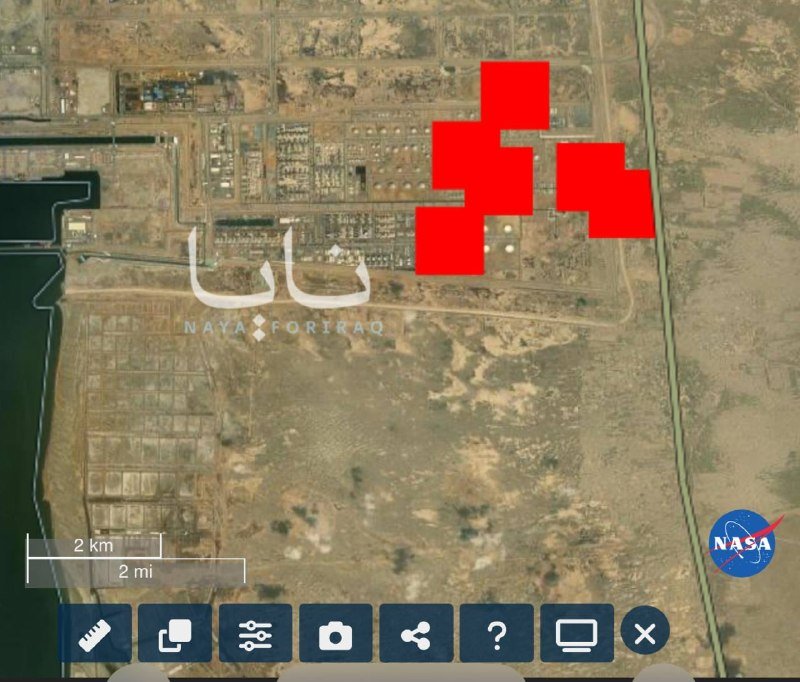
A fire at the Omsk refinery on the morning of 6 July 2026 has done more than damage a single Russian processing unit. It has re-priced the political economy of the war itself, putting a quiet but concrete figure on what Ukraine's long-haul strategy costs the countries that fund it, the consumers who buy Russian crude by other names, and the civilians whose utilities will eventually pick up the bill.
The tactical picture remains fragmentary, as Telegram channels reporting from both sides of the front acknowledged in the hours after the strike. What is becoming harder to dispute is the slower story: a campaign of systematic pressure on Russian energy infrastructure, months in the build, is now visibly changing the way Moscow has to move oil and the way the rest of the world has to think about replacing it.
The strike that broke the silence
For most of the war, Ukrainian drone strikes on Russian refineries have been treated as a footnote. They were local events, photographed by residents, scored on Telegram, then folded into the next day's casualty toll. The Omsk fire, at one of the largest refineries in Siberia and a node in the pipeline that feeds Russian diesel exports east and south, did not stay a footnote.
Reporting compiled by independent war-translation channels noted that the broader campaign had been quietly accelerated, with US intelligence and military assistance enabling a stepped-up tempo of drone operations against Russian oil facilities and tanker shipping. The material support is not new; what is new is the patience. Strikers returned to the same categories of target again and again, prioritising throughput over symbolism. A refinery fire is not a battlefield victory. It is, in the slow arithmetic of attritional war, a question addressed to the Russian budget.
What the wire will not lead on
Western wire coverage will lead with the strike itself: the column of smoke over Omsk, the local emergency response, the immediate Russian statements. That is what the desk produces. Monexus is interested in what the strike has already done to the price of energy, the politics of sanctions enforcement, and the long-running argument inside European capitals about how to keep supporting a country whose military doctrine now partly depends on hitting infrastructure deep inside the aggressor's territory.
There is a quiet distinction running through this story that mainstream coverage tends to flatten. Strikes on Russian military targets near the front are intelligible to a Western public that has been trained on two years of war footage. Strikes on refineries are not. They look, in isolation, like an escalation. In context, they are a tax. Every fire at an Omsk, a Tuapse, or a Kirishi is a debit against Russian federal revenue and, downstream, against the foreign-currency earnings Russia uses to keep importing the components its war machine requires.
A campaign that required a partner
The assistance runway for this campaign is not a secret, but it is also not a headline. Reporting referenced in recent weeks describes a multi-quarter US effort to expand Ukraine's capacity to hit Russian oil sites and tanker operations, with Ukrainian crews trained and equipped to operate drones well beyond the original battlefield envelope. The phrase used in the source material is "supercharged"; the underlying claim is that what was tolerated has now been resourced.
The politics of that resourcing explain why Omsk sits in the same news cycle as the harder conversations happening in Washington about missile production for Patriot systems. Ukrainian officials have been transparent, again as relayed through Western wire, that domestic production of those missiles will be difficult and slow even under the best industrial-policy assumptions. Strikes on refineries are not a substitute for air defence; they are the only kind of deep strike Ukraine can credibly run while that industrial base is being built. Both strands have to advance at once, which is itself the point.
Who pays, and where the bill lands
The political-economy question that Omsk forces open is who absorbs the bill when the campaign works. The most immediate answer is Moscow, which is the intention. Russian federal revenues from oil and gas have already absorbed the discount required to find buyers willing to tolerate sanctions risk, and a sustained campaign of fires and shutdowns at processing units squeezes the export barrel count. That is the right answer at the level of grand strategy.
The harder answer is one level down. Russian crude still finds its way to market through shadow-fleet logistics and third-country refineries, and the marginal buyers absorbing discounted Urals are exactly the consumers Western policymakers claim to be insulating. Indian and Turkish refiners have expanded runs on Russian feedstock. Chinese imports have held. Discounted product eventually blends into global barrels. The price signal is not, on its own, a price signal against the Kremlin.
The third answer, and the one with the longest fuse, is on the Ukrainian side. A campaign of deep strikes depends on a stockpile of long-range drones, on trained crews, on intelligence support, on weather, and on the political will of partners to keep that resourcing intact through electoral cycles. The economics of the campaign look sustainable while the geopolitics of the campaign hold. If either cracks, the Omsk fires stop and the discount closes. That is the unwritten cost: not what the strikes cost Russia, but what it costs Ukraine, its backers, and the diplomatic patience of every capital that has to keep answering for them.
The next fire is already being planned
A single refinery fire is not a turning point. The turning point, if it comes, will be visible only in the rear-view mirror: when the next Russian budget cannot finance the import programme, or when a major processing hub goes down for a quarter rather than a week, or when European capitals realise that the strike campaign is doing the slow work that sanctions enforcement has been asked to do since 2022. None of those conditions has been met yet.
What 6 July confirmed is that the tempo is real, the resourcing is real, and the price of patience on both sides of this war is being paid in advance, in fires that look tactical and read strategic. The wire will frame the next Omsk as a strike. Monexus will keep reading it as a line item.
Sources
- https://t.me/wartranslated
- https://t.me/noel_reports
- https://t.me/osintlive (ELINT News relay of RALee85 reporting on US-enabled Ukrainian drone campaign against Russian oil infrastructure)
- https://t.me/TSN_ua (Bloomberg reporting on the timeline for Ukrainian production of Patriot missiles)
- https://t.me/wfwitness (eyewitness reporting on the downing of a Russian Su-35 and the broader tactical picture around the same period)
Desk note: The wire led with the strike itself and the immediate Russian response. Monexus framed this around the political-economy logic of the long campaign, because the tactical details remain unverified and because the slower question, who pays for sustained pressure on Russian energy, is the story the next twelve months will actually be written by.