Tehran buries Khamenei: how a succession ritual is reshaping the Islamic Republic
Ayatollah Khamenei's coffin was processed through Najaf on 7 July 2026 with a presidential escort back to Tehran, and Iranian state media is already recasting his death as martyrdom. The martyrdom frame, the IRGC's revenge doctrine, and Trump's renewed threat to 'finish the job' are converging on a
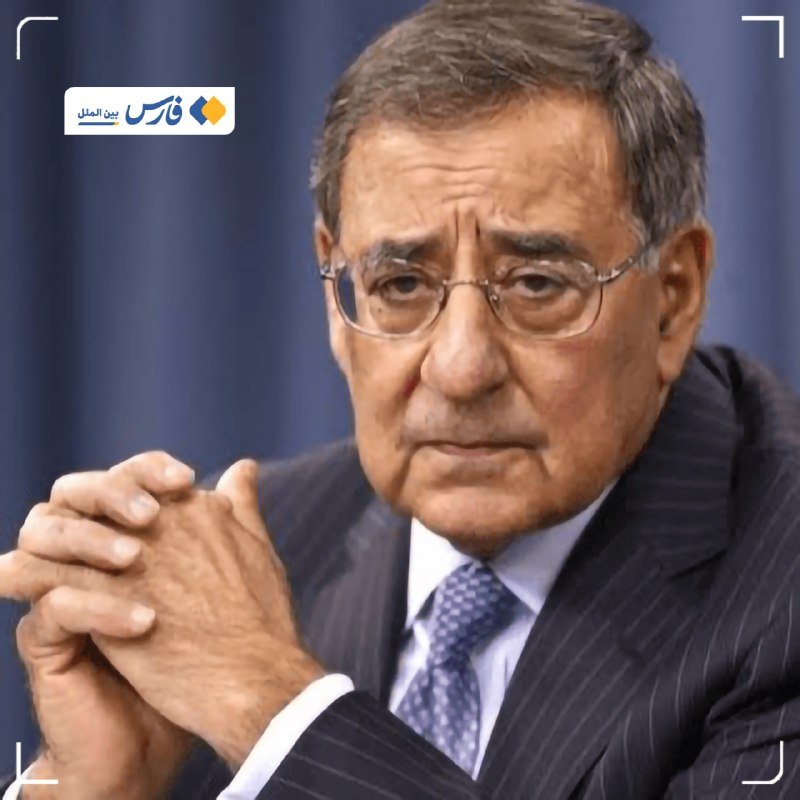
Ayatollah Seyyed Ali Khamenei's coffin was processed through the holy shrine of Imam Ali in Najaf on 7 July 2026 by Iraqi mourners, then placed aboard a flight to Tehran with the country's sitting president on the return leg. Press TV's English channel broadcast the Najaf ceremony as a state pageant, framing the deceased as a martyr of the Revolution, while Mehr News and Tasnim simultaneously logged the medical delegation and the presidential cortege departing for the capital. The choreography is familiar from previous Islamic Republic funerals: a procession through a senior Shia shrine, a state-media reframing of the dead leader's status, and a managed transition window during which the body's movement doubles as a signal about who now runs the system.
What is being staged in Najaf and on the flight deck back to Tehran is not grief. It is the opening ritual of a succession in a system that has spent four decades telling its neighbours and its own public that personality, not institution, sits at its core. Khamenei's death, presented by Iranian state outlets as martyrdom, has converted a personnel question into a theological one. The frames chosen now will decide whether the Islamic Republic emerges from the transition more clerical, more military, or more nakedly coercive than it was a week ago.
What the Najaf sequence is for
The Najaf stop is not sentimental. Iraqi Shia networks have long hosted Iranian revolutionary figures in transit, and the shrine of Imam Ali is the symbolic anchor of Shia authority outside Iran. By routing the coffin through Najaf and pairing the Najaf farewell with a presidential presence on the return aircraft, the Islamic Republic's media apparatus is doing two things at once. It is signalling to Iraqi Shia audiences that the new order will not downgrade the cross-border clerical compact. It is also signalling inside Iran that the presidency remains inside the funeral cortege and therefore inside the legitimacy transaction, rather than sidelined by it.
Mehr News's English feed and Tasnim both logged the medical staff and the presidential party leaving Najaf for Tehran within minutes of each other, a small editorial choice that treats the clinical team managing the remains and the head of state as co-protagonists of the transfer. Press TV, the English-language outlet of Iranian state broadcasting, layered the framing on top by publishing footage of Iraqi mourners at the shrine and labelling Khamenei the martyr of the Revolution. The three feeds, read together, are a script rather than a news cycle.
The martyrdom frame and what it unlocks
The word choice matters. Press TV and other Iranian state-aligned channels have systematically used the language of martyrdom for Khamenei, the same register usually reserved for IRGC commanders killed in action or for clerics assassinated in the 1980s. That framing was extended on 7 July by Mohsen Rezaei, former IRGC chief commander, who distinguished between strategic revenge, defined as the expulsion of the United States from the region, and an unspecified tactical revenge. Rezaei's formulation, carried on Press TV's English channel, repositions the succession as the start of a campaign rather than the end of a life.
A martyr frame gives the new Supreme Leader a usable political asset on day one. It releases the security services from any obligation to treat the transition as a moment of restraint. It also licenses the continued funding and political cover of the Axis of Resistance network, because martyrdom has to be answered, in the IRGC's own vocabulary, with retaliation. The frame therefore constrains the next leader before he is chosen. Whoever emerges from the Assembly of Experts inherits a duty of vengeance, not a blank policy page.
The Trump variable
The American position arrived within minutes of the Najaf footage. On 7 July, President Donald Trump told reporters the United States would either reach a deal with Iran or "finish the job," renewing his threat of military action. The wording is the same maximalist formulation Trump has used since the June strikes on Iranian nuclear and missile sites, and it lands on a system in the middle of a managed succession rather than a confident one.
For Tehran, the American threat is now double-edged. A new Supreme Leader taking office under open US pressure has an incentive to demonstrate toughness, which means accelerated nuclear work, deeper reliance on the IRGC, and risk acceptance in the Strait of Hormuz. A new leader attempting to consolidate internally has the opposite incentive: de-escalation to buy time. The Trump declaration forecloses the second option. It tells every faction in Tehran that any deal concluded this week will be read inside Iran as surrender under foreign coercion, which is the worst possible way to begin a tenure.
The IRGC's bidding window
The most under-covered element of the past 72 hours is the speed at which the security services have moved to define the narrative. Rezaei's revenge formula appeared on Press TV on the evening of 7 July. The same day, IRIB Channel 3's Meydandaar programme hosted an external geopolitical commentary slot, the kind of placement reserved for figures whose reading of events the state wants amplified. These are signals about who is currently permitted to set the terms of debate, and the pattern points upward through the IRGC rather than outward through the clerical old guard.
The succession question inside the Islamic Republic has always been a two-track competition between the clerical establishment in Qom and the security establishment in Tehran. The martyrdom frame, the revenge doctrine, and the controlled broadcast slots together suggest that the security track is winning the first round. A new Supreme Leader will still emerge from the clerical estate, because the constitution requires it. But the clerical estate is being asked to ratify a security policy already drafted in IRGC headquarters. That is the shape of the transition the wire record currently describes.
What to watch before the funeral
Three near-term markers will tell readers how far the security track has already locked in its preferred outcome. First, the text of the Assembly of Experts' communique after the coffin arrives in Tehran: whether it preserves Khamenei's official title alone or layers on the martyrdom register. Second, the composition of the funeral cortege in Tehran, and whether the military column outranks the clerical column in the published order of march. Third, the next round of messaging around the Strait of Hormuz and the nuclear file. A spike in rhetoric, or a renewed IRGC drill cycle, would confirm that the revenge frame is operational policy rather than mourning theatre.
The Islamic Republic has buried Supreme Leaders before. It has never buried one under the conditions now converging on Tehran: an active war footing with Israel still technically unresolved, an American president publicly promising to "finish the job," and a succession race being narrated in real time as an obligation of vengeance. The coffin on the runway at Najaf on 7 July was the last piece of the old order in motion. Everything that lands in Tehran will be the new one, and it is being written before the burials even conclude.