Why Netherlands v Morocco is more than a knockout tie
When the Netherlands meet Morocco in the 2026 World Cup knockout stage, the 90 minutes will be settled on the pitch, but the squad lists already tell the deeper story: a decade of diaspora recruitment, dual-nationality choices and competing federation models colliding in one tie.
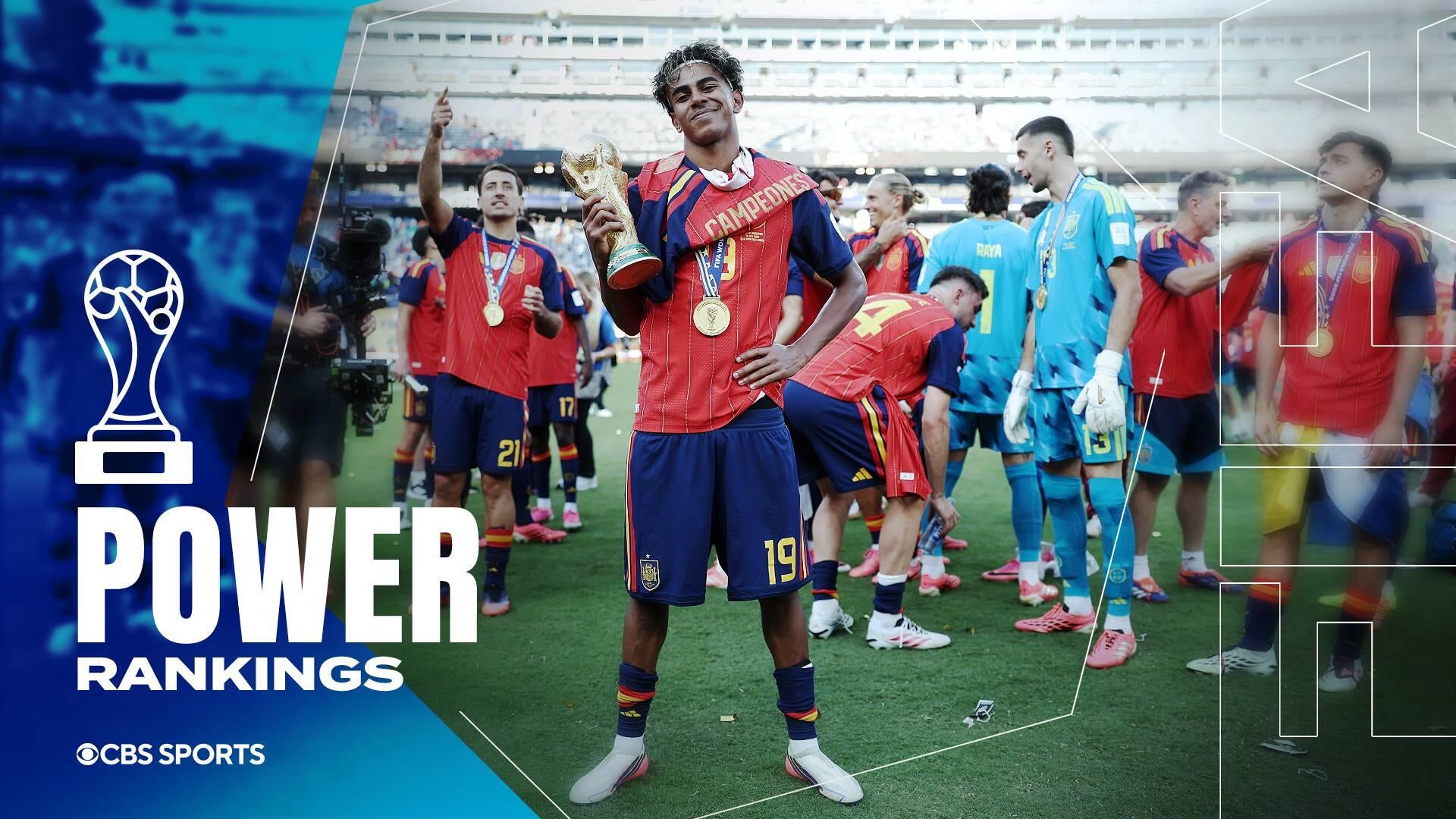
When the ball drops at one of the North American venues on 2 July, the Netherlands and Morocco will not just be playing for a place in the last 16 of the 2026 World Cup. They will be replaying a decade of migration, scouting networks and second-generation identity politics that have redrawn who plays for whom in European football.
This is the knockout tie the bracket handed the tournament the moment the draw was completed in Washington last December: a meeting between a country that exports its academy graduates and a country that imports them, where nearly every player on one side has some personal stake in the other. The contest will be settled over 90 minutes, but the forces that shaped both squads have been building since the early 2010s, when Dutch clubs first began treating the Moroccan second-generation market as a serious recruitment frontier.
A pipeline that runs both ways
Morocco's surge to the semi-finals in Qatar in 2022 was the loudest signal yet that the recruitment geography of European football had inverted. A squad built largely from players developed in France, Spain, Belgium and the Netherlands reached the last four of a World Cup for the first time. The Atlas Lions were not an outlier anymore; they were proof that the diaspora route could scale.
That success also hardened the Dutch federation's calculations. Several players eligible for Morocco have been persuaded, persuaded-adjacent, or quietly retained by the KNVB in recent cycles, and the choice now runs both ways at senior level rather than only through youth teams. When the Netherlands names its squad for this tournament, the selection meeting in Zeist will have included an explicit inventory of who chose whom, and why.
For Morocco, the same logic points the other direction: every Europe-born talent becomes an asset the federation can either claim or lose. The games in Qatar changed the incentive structure for both federations in ways that are still being priced in.
What this fixture actually measures
On the pitch, Netherlands v Morocco will register the usual metrics: expected goals, high turnovers, set-piece efficiency. Off it, the match functions as a stress test of two competing national-team models. The Dutch model is essentially a finishing school: identify talent young, integrate through the academy system at Ajax, PSV or Feyenoord, and trust the Eredivisie pathway to produce internationals. The Moroccan model is a federation-led diaspora operation: scout aggressively across Western Europe, run dual-nationality camps, and treat the senior squad as a political as much as a sporting project.
Both have produced results. The question this tie actually poses is which model scales better under World Cup pressure, with the squad lists already locked and the football compressed into one game. A Dutch win would vindicate the academy-first orthodoxy and quieten the conversation about whether the Netherlands is leaving talent on the table. A Moroccan win would confirm that, for federations with a deep European reservoir, the diaspora model is no longer a workaround but the default.
The selection economics underneath
Player choice is rarely sentimental at this level. Agents, federation payments, appearance bonuses, and the commercial value of a World Cup run all feed into whether a 21-year-old with two passports commits to one shirt or the other. The Netherlands can offer the prestige of a 1974 and 1988 pedigree and the certainty of European Championship qualification campaigns. Morocco can offer starting minutes, a squad role built around the player's strengths, and a national project that travels with him.
Both sides know exactly who the swing candidates are, and which Under-21 eligible names will matter at the 2030 tournament. The 2 July game is also, quietly, a first look at how those calculations are landing for the next cycle.
What to watch beyond the scoreboard
The team-sheet announcement will tell you more than the result. Which dual-nationals did each federation lock in? Who is in the squad on form, and who is there on project? How many of the Moroccan starters came through French academies, Dutch academies, or Belgian ones, and how does that distribution compare to the Qatar squad? The answers will frame the next four years of recruitment on both sides of the Mediterranean.
For the neutral, the temptation will be to flatten the tie into a story about migration and belonging. It is also a football match between two serious sides, both capable of winning it, and both shaped by a globalised labour market that makes national teams look more like holding companies than neighbourhood clubs. The score will close one argument. The squad sheet will start the next one.