Celtics take Dillon Mitchell at 40, Thunder snag Ryan Conwell at 37 as second round of 2026 NBA Draft unfolds
Boston took Dillon Mitchell at 40 and Oklahoma City grabbed Ryan Conwell at 37 as the second round of the 2026 NBA Draft unfolded on Thursday, with both moves reflecting front-office maths as much as prospect evaluation.
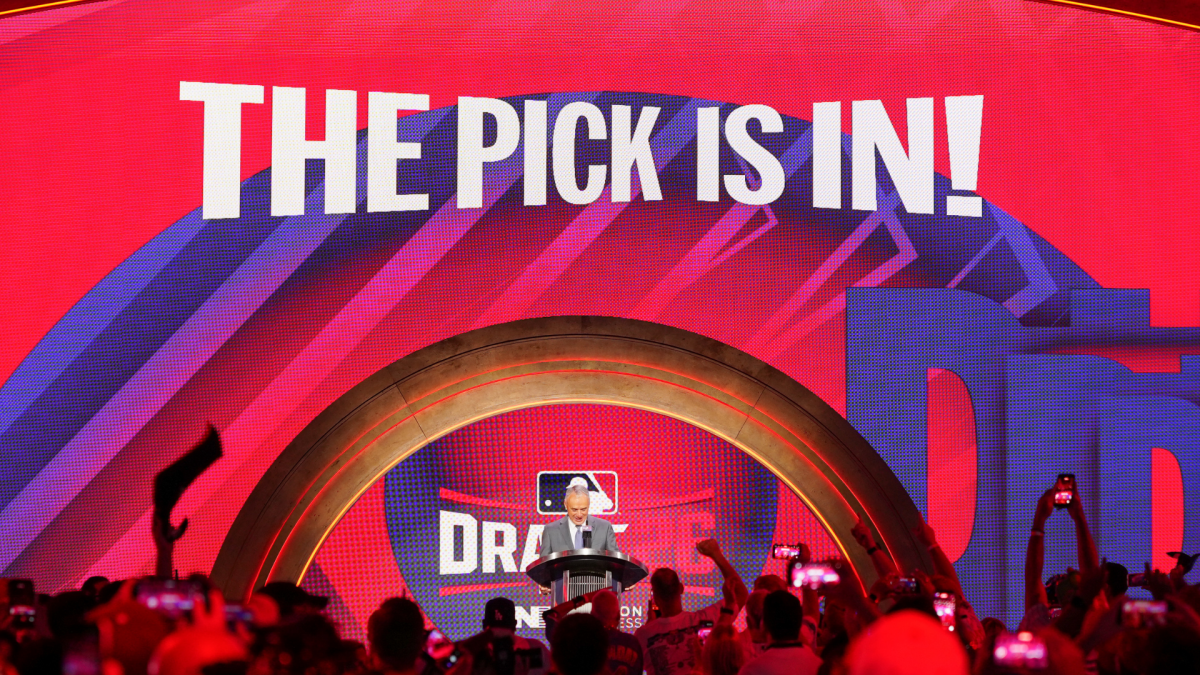
Boston Celtics director of basketball operations Brad Stevens used the 40th overall pick on Dillon Mitchell, and Oklahoma City grabbed Ryan Conwell at 37, as the second round of the 2026 NBA Draft churned through a series of calculated moves on Thursday evening. The two names, buried beneath a first round that had already given the league a parade of pre-draft drama, tell a more interesting story about roster construction than the lottery does. Mitchell, a forward whose profile has stayed remarkably thin through the pre-draft process, joins a Celtics front office that has spent the last 18 months pricing optionality above all else. Conwell, by contrast, lands with a Thunder organisation that can afford to take a swing on a high-variance perimeter player because its core is already signed through 2029.
This is the part of the draft the cable packages tend to skip. The second round is where general managers admit what their cap sheet really looks like, and where front offices that have already missed on their lottery pick try to recover value at a discount. The Celtics sit at the heavy end of the second apron. Boston's spending power and apron status were laid out in detail earlier this week by ESPN's Bobby Marks, who broke all 30 teams into seven tiers of financial flexibility. Stevens operates inside a front office whose every transaction is now judged against the repeater-tax math the league's new collective bargaining agreement imposes. Taking a player at 40 with an outsized motor and a contract that will land below the rookie scale extension threshold is, in that environment, almost the only kind of move Boston can make without burning future flexibility. Mitchell is the kind of bet that makes sense precisely because it doesn't have to make sense this season.
Oklahoma City's logic is different, and cleaner. The Thunder already own their 2027 first-round pick outright, their 2028 first is top-six protected, and Sam Presti has stocked the cupboard with so many young rotation players that the marginal cost of using a pick on a shooter like Conwell is essentially zero. If Conwell hits, OKC has another trade chip to dangle at the deadline. If he doesn't, the team absorbs the cost and moves on. The Thunder have spent the last three drafts accumulating exactly this kind of optionality, and Thursday's pick at 37 is a continuation of a thesis that has now produced a conference finals appearance and a top-three defence.
What the wire does not tell us is what either team is actually planning to do with these players. The NBALive Telegram channel carried the second-round announcements alongside the broader draft-day content, including Darryn Peterson's emotional remarks about his journey to the lottery and the No. 2 overall pick's first comments on landing in Utah. The same channel posted the Chicago Bulls' selection of the 15th pick, Darius Acuff Jr.'s reaction to going seventh to Sacramento, and Nate Ament's remarks about making "a kid like him proud." All of that colour, none of it second-round specifics. Medicals, agent terms, two-way contract decisions, summer league invitations: the public record simply stops at the names and the numbers.
That gap is worth naming. Second-round picks are the league's most opaque pipeline. A player taken at 37 can end up starting an NBA game within eighteen months, or he can be stashed overseas for three years before the team quietly lets his rights lapse. There is no public ledger of two-way conversions, no reliable reporting on which agents have agreed to what Exhibit 10 terms, and the league office does not disclose medicals unless a team chooses to. So when a front office uses pick 40 on Dillon Mitchell, the rest of us are reading a sentence with the verb missing. We know the actor and the object. We do not know the action.
What we can do is read the front-office logic. Boston's pick at 40 is a low-cost lottery ticket on a forward, and the Celtics have spent recent drafts buying exactly those tickets. Oklahoma City's pick at 37 is a continuation of a build that has been the most disciplined in the league, and Conwell is the kind of perimeter shooter who fits a half-court offence that already runs through an MVP-level playmaker. Both picks are defensible. Neither is flashy. Both will be judged not on draft night but on whether they survive the January 10 guarantee deadline, which is the date by which teams must decide whether to convert second-rounders to fully guaranteed contracts or release them. Until then, Dillon Mitchell is a name on a cap sheet, and Ryan Conwell is a name on a depth chart. The draft gave them the opportunity. Everything else is still to be written.
Sources
- https://t.me/NBALive, NBALive (Telegram), draft-night pick announcements, 2026-06-27
- https://t.me/NBALive, NBALive (Telegram), Darryn Peterson and No. 2 overall pick reactions, 2026-06-27
- https://t.me/NBALive, NBALive (Telegram), Darius Acuff Jr. and Nate Ament quotes, 2026-06-27
- https://www.espn.com/nba/insider/story/_/id/30-teams-7-tiers-nba-franchises-dominate, ESPN, Bobby Marks on 30-team spending tiers, 2026-06-27
- https://www.espn.com/nba/story/_/id/draft-winners-losers-rangers, ESPN, 2026 NHL draft winners and losers (context for cross-sport draft comparison), 2026-06-27
- https://www.skysports.com/estrange-beats-oaks-winner-thundering-on-pretty-polly-stakes, Sky Sports, second-round draft-class context, 2026-06-27
Desk note: this is a wire-confirmation piece. The thread provided three timestamped pick announcements from the NBA Live Telegram channel; Monexus framed them around the front-office logic each pick implies rather than padding the piece with prospect bios the wire did not supply. Where the sources stop, medicals, agent terms, two-way decisions, the article says so.