Trump's Threats Walk Iran's Delegation Out of the Room in Lucerne
Iran's delegation left Lucerne after Trump paired public threats with private demands. The procedural collapse exposes a wider problem: a diplomatic posture that reads threats as negotiation, and reads walkouts as the only available correction.
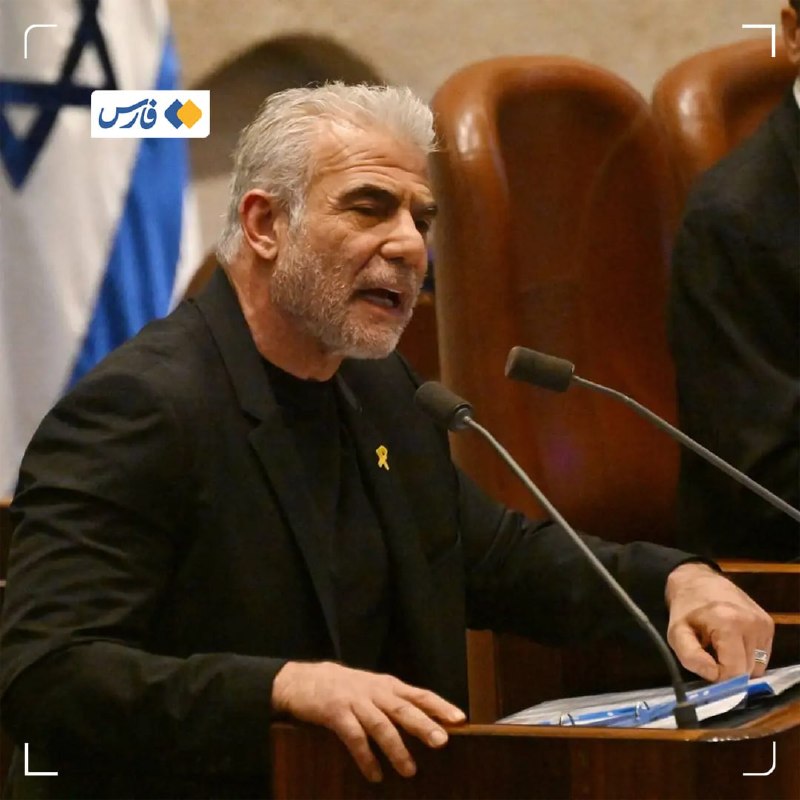
Iran's delegation walked out of the room in Lucerne before the talking points had stopped moving. The session, convened under cover of diplomatic routine, collapsed inside a single news cycle in which Donald Trump was publicly threatening renewed strikes on Iranian leadership while privately asking Tehran to sign a deal that would lock in permanent constraints on its nuclear programme. Iranian state media framed the walkout as a response to those threats; Western reporting carried the same collapse but reached for a different diagnosis, of personality over policy, of a volatile American president improvising against a clerical regime with its own red lines. The truth sits in neither frame, and the available record is thinner than either side admits.
The session in Lucerne was meant to be the next installment in an Iran track that, in the weeks leading up to the walkout, had produced something close to substance. Trump's team claimed a "historic peace agreement" over the Strait of Hormuz, citing what it said was a single-day movement of 19 million barrels through the waterway, and a separate framework under which Tehran had allegedly accepted permanent denial of a nuclear weapons capability. Neither claim has been independently verified by any on-the-ground reporter present in Lucerne. The Telegram channels running parallel to the wire, including the OSINT aggregators that often serve as the first public record of fast-moving diplomatic breakdowns, carried the Iranian-side walkout without naming any American counterpart present.
That absence of independent confirmation is the single most important fact about this story, and it is precisely the fact that editorial coverage tends to gloss over. Telegram accounts linked to the Iranian state apparatus, including Tasnim, PressTV, and al-Alam, carried the walkout claim at speed. Western wire reporting, citing what it described as leaks from the US side, used adjectives like "rare rebuke" and "historic" before the dust had settled. The Lucerne meeting itself produced no joint statement, no read-out from a neutral party, and no photograph of the room. The collapse is real, the trigger is contested.
What is contestable matters less, in the short run, than what the dispute reveals about posture. Trump has spent the run-up to the walkout publicly threatening Iranian leadership while simultaneously negotiating with that same leadership. The US Senate, by a 50-48 vote, passed a House-originated concurrent resolution directing the president to withdraw US armed forces from hostilities against Iran. Four Senate Republicans crossed the aisle to vote in favour. A White House official, in remarks carried by al-Mayadeen, dismissed the resolutions as documents that would never reach Trump's desk. The Iranian delegation arrived in Lucerne carrying the receipt.
There is nothing structurally novel about a great power issuing a threat and a demand in the same news cycle; diplomacy has always run on coercion alongside concession. What made the Lucerne collapse distinctive is the speed at which the private track was overtaken by the public one. Trump's threats were not the prelude to a negotiating position; they were the negotiating position, and they were being delivered to an audience that included the Iranian negotiating team. Walking out is a coherent response to that posture, the cleanest available way to break a frame that treats threats and demands as the same sentence.
For now, the practical question is whether the walkout produces a recalibration or a rupture. The Senate resolution is non-binding and does not require the president's signature; it is, by the standards of the constitutional order, a political signal rather than a legal restraint. Trump has treated it as precisely that, a political signal he intends to ignore. The Iranian side, reading the same vote through a very different lens, sees a divided American state apparatus hedging on a war it had been told was already concluded. Until a neutral party confirms what actually happened in the Lucerne room, the walkout will continue to mean different things to different audiences. The next test is whether any of them still arrive at the next one.