Strait of Hormuz closes as US-Iran talks begin in Switzerland, leaving crews stranded
As US and Iranian delegations sat down in Switzerland, hundreds of merchant vessels and roughly 11,000 seafarers found themselves stranded on either approach to a waterway that carries a fifth of the world's seaborne oil, and no one on either side could say when they would move.
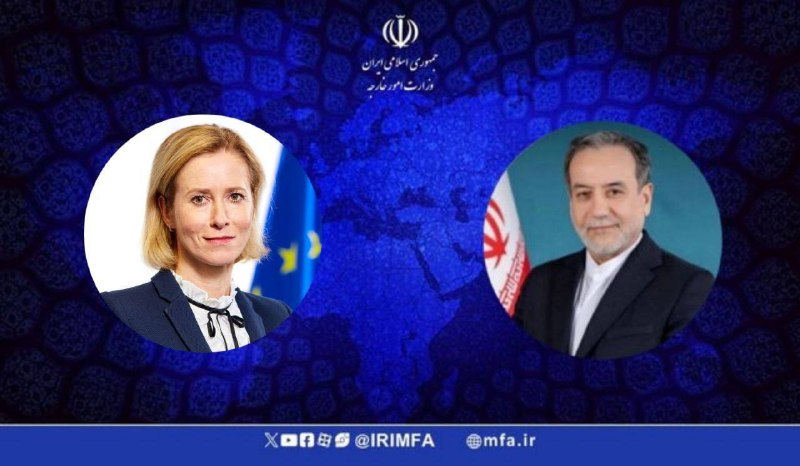
On the morning of 21 June 2026, a senior European shipping officer anchored off Fujairah sent a short message to his office in Rotterdam: every VLCC on his company's roster was holding east of the Strait of Hormuz, none had been told when it could move, and the charterers in Singapore were no longer answering calls. Twenty-one nautical miles wide at its narrowest point, the strait carries roughly a fifth of the world's seaborne oil. On the day US and Iranian delegations sat down in Switzerland for a fresh round of talks, the waterway had effectively stopped flowing.
That a diplomatic opening and a de facto closure should arrive on the same morning is the story this week, and the reason it deserves more than a market ticker. Tehran did not announce a blockade. Washington did not declare a quarantine. What happened was quieter and more consequential: insurance rates spiked, naval escorts were requested, and crews began calculating whether the fuel in their bunkers would outlast the wait. The two sides are talking because both have run out of room. The shipping system has run out of patience.
A waterway that does the punishing for everyone
Hormuz is geography before it is politics. The Arabian peninsula pushes into the Persian Gulf until the Iranian coast closes the gap to a shipping lane roughly two miles wide in each direction, separated by a buffer zone. There is no detour. Pipelines across Saudi Arabia and the UAE can substitute for some crude flows, and Iraq has routed additional volumes through its southern export network in past disruptions, but those alternatives together cover a fraction of what normally transits the strait. When traffic stalls, the global oil system does not gracefully reroute; it absorbs a shock, day after day, until something gives.
The crews feeling that shock are not abstractions. By the second day of the closure, several hundred merchant vessels were reported idling on either approach, with the United Nations announcing an evacuation plan to help roughly 11,000 seafarers transit the strait. The vessels range from crude carriers and LNG tankers to container ships caught in the wrong place at the wrong time. Charter rates for product tankers had already moved sharply on the previous week's rumours; a sustained closure moves them further, and faster.
Tehran's framing, and what is missing from it
Reporting from Iranian state outlets, including Tasnim and its English-language feed, framed the closure as a defensive response to Israeli strikes on nuclear infrastructure and as leverage to bring Washington back to a negotiating track that respects Iranian red lines. There is a real argument underneath the rhetoric: the country's nuclear facilities have taken damage, IAEA inspectors are being kept out of those sites for now, and Tehran wants sanctions relief and guarantees against further military action. Those are legitimate negotiating positions.
What the framing elides is the third-party cost. The crews holding off Fujairah and the refineries waiting on the next cargo do not vote in Iranian elections and do not set US sanctions policy. They absorb the price of a contest conducted in their workspace. Coverage that quotes Tehran's position without naming the sealanes that are paying for it gives readers a partial picture. The diplomatic logic may be sound; the bill is being presented to people who never ordered it.
The numbers the markets are pricing
A single day of disrupted Hormuz flow removes more crude from seaborne trade than several weeks of OPEC+ production cuts can replace. The benchmark response has been brutal: front-month Brent moved sharply on the first session after the closure was confirmed, refining margins in the Mediterranean and Singapore widened, and at least one major automaker began revising its production calendar. Toyota told Nikkei it plans to cut overseas output by roughly 100,000 vehicles by around February 2027, citing weaker demand tied to the Iran conflict's drag on confidence and on shipping costs for parts. That kind of adjustment does not get reversed in a week.
Crypto markets registered the shock too. Bitcoin traded under pressure after Iran announced that IAEA inspectors would not be permitted into damaged nuclear facilities, a reminder that energy shocks now ripple through asset classes that have nothing to do with oil by design. The Strait has become a single point of failure for multiple, supposedly unrelated, markets.
What Washington says, and what the water says
President Donald Trump stated on 23 June that he had agreed to allow the Strait of Hormuz to remain open, with no further naval blockade, and claimed that 19 million barrels of oil had flowed through the strait the previous day, an all-time record. The figure, if accurate, sits oddly against the reports from ship operators and the UN evacuation plan for stranded crews. Either traffic has resumed at unprecedented volume, or the claim is performing the diplomatic work of reassuring markets that the corridor is functioning normally.
Both can be partially true: the strait can technically be open while insurance rates, naval positioning, and charterer caution keep commercial traffic depressed. The Iran-Oman framework reportedly under negotiation, a joint management arrangement covering navigation and shipping fees, points to the kind of compromise that gets tankers moving again. It also points to a longer-term reordering of who gets paid for passage through one of the world's most critical sea lanes.
What to watch this week
Three things will tell us whether the closure is breaking or bending. First, whether the UN evacuation plan produces a measurable reduction in the backlog of waiting vessels, or whether crews simply sit longer. Second, whether the insurance markets, the underwriters of last resort, hold their war-risk premiums where they are or push them higher; that single price signal tends to move faster than any statement out of Geneva or Muscat. Third, whether the second round of talks produces a sequenced de-escalation: inspectors back into damaged sites, oil moving through the strait under monitored terms, sanctions adjustments tied to verifiable steps.
The diplomatic track now has a hostage it cannot afford to lose: the trust of the crews and the underwriters who actually decide whether a VLCC turns west or holds east. If those actors believe the corridor is reliably open, the market will normalise within days. If they do not, no statement from either capital will move the bunker fuel that is keeping this week's standstill going.
Sources: France 24 English (Telegram), Tasnim News English (Telegram), Tasnim Plus (Telegram), Wikipedia: Strait of Hormuz, Wikipedia: 2026 United States–Iran negotiations, Nikkei Asia (Telegram), Polymarket (X), CoinJournal (Telegram), Cointelegraph (Telegram), Unusual Whales (X).
Desk note: Monexus treats this story as a stress test of the diplomatic track. Where Iranian state media dominates the available reporting, that is named explicitly; the structural argument that any sustained closure moves the global oil system regardless of intent is drawn from the strait's geography rather than from any single source's framing.