The Iran Deal That Isn't Yet a Deal
A memorandum, not a treaty: the US and Iran announced a deal in Muscat this week, but Tehran's state outlets are still writing most of the language describing it, and the work that turns a MoU into an enforceable accord has barely begun.
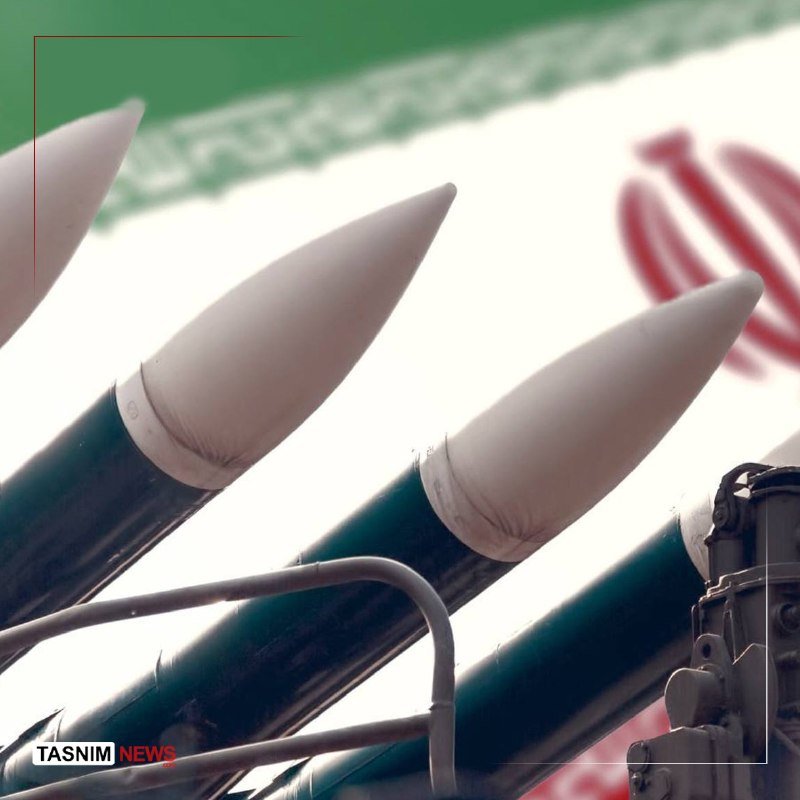
On Tuesday, after two months of negotiation and more than three months of conflict, the United States and Iran signed something in Muscat that both governments are calling a deal. The text is a memorandum of understanding, not a binding treaty, and the critical mechanics of nuclear dismantlement, sanctions sequencing and verification are still missing from the public record. What does exist is a ceasefire framework, a green light from Tehran's Supreme Leader Mojtaba Khamenei, and a scramble in Washington, Jerusalem and along the Persian Gulf to read between the lines of language that Iranian state media is still doing most of the work to define.
The announcement cleared one of the highest political barriers in the Islamic Republic: Khamenei confirmed that he personally approved the memorandum, framing his decision as a tactical concession rather than a strategic reversal. The Iranian readout emphasised that the agreement was a MoU, not a final accord, a distinction Iranian negotiators have insisted on for weeks as a hedge against domestic hardliners. The American side, by contrast, has been selling the package as a finished diplomatic win, with Vice President JD Vance telling critics in Israel that the United States retains leverage to dictate the next round and that the lifting of oil sanctions confers no new benefit on Tehran. The New York Times reported that Vance's claims about Iranian gains under the sanctions relief were vague and misleading. The gap between the two readouts is the deal.
The ceasefire nobody calls a ceasefire
The fighting stopped in language before it stopped in fact. Iran's announcement that it plans to levy new maritime transit fees in the Strait of Hormuz is the kind of move a sovereign state makes when it expects to remain sovereign for the foreseeable future, not the opening bid of a defeated party. The proposal, carried by Iranian outlets and picked up by regional wires on Wednesday, would impose a toll structure on the roughly twenty percent of global oil flows that traverse the narrow chokepoint. There is no indication yet that the United States has accepted the framing, but neither has it rejected it on the record, which is itself a kind of acceptance in negotiations conducted under mutual exhaustion.
In Israel the reaction was sharper and more political. With elections expected in the coming months and his coalition still trailing in published opinion polls, Prime Minister Benjamin Netanyahu faces a domestic arithmetic problem: a deal that anoints a younger and, in the telling of American late-night hosts, more radical successor to the ayatollah killed during the conflict is not a vote-winner in a security-focused electorate. Vance's retort, that Trump is Israel's only remaining ally on Earth, was less a reassurance than a warning, delivered in front of a domestic Israeli audience whose patience for being managed by Washington has visibly thinned since the war began. The vice president's argument that the United States still holds the leverage cards going into the next phase is the load-bearing claim of the administration's public case, and it is the claim that has drawn the most pointed factual challenge from press coverage in New York and Washington.
The verification economy
What is striking about the present moment is who is doing the on-the-record work of describing what was agreed. Iranian state outlets, principally Tasnim, have carried the most granular language about Khamenei's authorisation, the MoU framing, and the sequencing of obligations. American sources have stressed the headline; Israeli sources have stressed the threat. The effect is a public record in which Tehran's preferred terms, that this is preliminary, that this is revocable, that this is a memorandum rather than a treaty, are the ones most consistently echoed across multiple platforms. That is not, on its own, evidence of Iranian dominance in the negotiation, but it is evidence of a verification economy in which one party controls most of the on-the-record vocabulary. The other party, the United States, is instead investing heavily in domestic political narration: the framing pushed to American audiences emphasises leverage and victory, while the framing pushed to allied capitals emphasises restraint and continuing threat.
What comes next is not a treaty
The work that has not yet been done is the work that matters. A memorandum of understanding is the diplomatic form a deal takes when both sides want the political benefit of an announcement without the legal exposure of a signed accord. Iran's domestic politics benefit: hardliners can argue that nothing binding was conceded, while moderates can claim credit for averting a wider war. The Trump administration benefits: a deal, however provisional, gives the White House something to put in front of voters less than six months before congressional midterm elections, where the domestic agenda is the pressure that pushed the settlement forward rather than any clean battlefield triumph. Israel is left to calculate whether a deal that locks in neither full dismantlement nor permanent constraints is worse than the war it just fought, a calculation that the coming Israeli election will force into the open whether Netanyahu wants it there or not.
The single most important fact about the next phase is that it has not started yet. Iran's reported interest in acquiring second-hand J-10B multirole fighters from the People's Liberation Army Air Force, circulated by open-source channels on Wednesday and unconfirmed by either government, is a reminder that even an announced ceasefire does not freeze procurement decisions or alliance logic. A year ago Iran was a country under sanctions and watching its proxies attrit; today it is a country that has survived a direct confrontation, retained its nuclear programme as a bargaining chip, and is shopping for advanced Chinese combat aircraft. The text signed in Muscat did not produce that outcome. The war, and the way it ended, did. The deal is the punctuation; the sentence was written in steel.
Sources
- https://t.me/tasnimplus
- https://x.com/middleeasteye/status/, "The US and Iran signed a deal this week..."
- https://www.nytimes.com, "Vance's Defense of Iran Deal Rests on Vague and Misleading Claims"
- https://www.aljazeera.com, "US vice president slams Israel over criticism of Trump's Iran deal"
- https://t.me/osintlive, "Iran is considering acquiring second-hand J-10B multirole fighters..."
- https://x.com/sprinterpress, "Supreme Leader Khamenei stated that he gave permission to sign a memorandum of understanding..."
Desk note: The Western wire has been careful to label the emerging terms as preliminary, citing BBC and Tasnim with explicit attribution. Monexus reads the same items and notes that Iranian state media is doing the bulk of the verification work on claims that favour Tehran's framing, a structural feature of any negotiation in which one party controls most of the on-the-record language.