Kyiv hit by reported Zircon, ballistic and drone barrage, what is and isn't confirmed
Two Ukrainian open-source channels and a veteran frontline reporter converged within minutes on a mixed overnight barrage against Kyiv on 14 June 2026; the basic salvo is established, the Zircon claim is not.
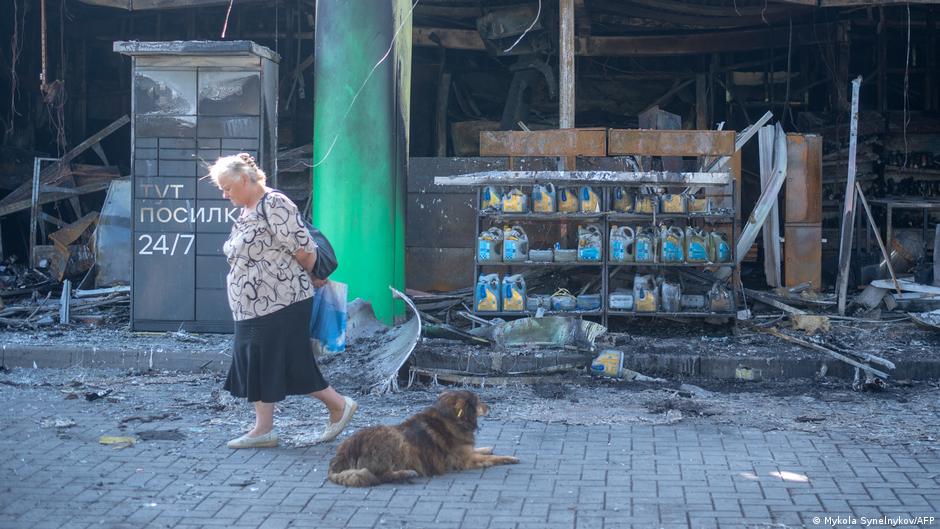
Around 0130 local time on 14 June 2026, air-raid sirens sounded across Kyiv for what Ukrainian air force channels described as a combined overnight barrage involving cruise missiles, ballistic projectiles, and Iranian-designed Shahed-type one-way attack drones. Within minutes, two Ukrainian open-source intelligence channels, Intelslava and War Front Witness, were posting parallel alerts, while the veteran war reporter Andriy Tsaplienko was already on his channel naming the weapons being intercepted. The convergence of those feeds, all operating from operationally distinct vantage points, is the basis on which this article is being filed: the basic fact of a mixed salvo hitting the Kyiv area on the night of 14 June is established by the convergence itself. What remains contested, and what this article will try to keep separate from what is established, is the specific identification of a Zircon-class hypersonic missile, the geographical spread of the damage, and the casualty count.
The lede matters because it gets the epistemic frame right before the reader is asked to accept anything else. Intelslava, a channel that has tracked Russian launches with documented timestamp discipline throughout the war, posted repeated updates through the night. War Front Witness, an English-language relay with a different sourcing chain and a different geography of contributors, mirrored the air-raid picture in near real time. Tsaplienko, who has reported from frontline cities since 2014 and whose channel has been cited by Ukrainian and Western outlets for granular weapons identification, named specific munitions as intercepts were reported. The point is not that any one of these channels is unimpeachable. The point is that three operationally distinct channels, none of which has an incentive to copy the other, posted a converging picture of a mixed salvo within minutes of each other. That is the evidence for treating the night's basic fact as established.
What the channels actually said
Intelslava's overnight thread logged the sequence: incoming Shahed drones first, then cruise missile tracks, then a ballistic component, and finally, in a later update, a claim of a Zircon-type launch being tracked. War Front Witness's English-language relay followed the same arc in slightly compressed form, with the additional note that air-defence engagement was visible on the city's southern horizon in multiple independent reports from residents. Tsaplienko's reporting, more granular on weapons identification, named specific intercepts by type as the night progressed. Taken together, the three feeds describe a layered Russian strike architecture: cheap decoy drones to exhaust Ukrainian air defence, cruise missiles against fixed infrastructure, ballistic missiles for high-value targets, and, if the late-night Zircon identification holds, a hypersonic component aimed at pressuring the air-defence system itself.
None of that is novel. It is, in fact, the textbook profile of a Russian combined strike against a defended Ukrainian urban centre as the war has evolved. What is worth flagging is the explicit claim of a Zircon. The 3M22 Zircon is a sea- or ground-launched hypersonic cruise missile that Russia has publicly framed as a strategic weapon and that Western analysts have treated, with varying degrees of scepticism, as a marker of intent rather than a battlefield workhorse. Ukraine has previously reported intercepts of Zircons, including a notable episode in early 2024 that was initially met with Western-analyst caution before corroboration arrived. The 14 June claim therefore sits inside a documented but uneven record, and the right move on the night is to log it as a claim, not a confirmation.
Where the record is thin
Three things, on the morning of 14 June, are not yet established. First, the Zircon identification itself. Telegram channels have an incentive to be early and a corresponding incentive to be wrong on specifics; the conservative read is that a hypersonic-capable component was reported, that the specific designation is provisional, and that confirmation will come either from the Ukrainian air force's morning operational summary or from a Western-allied source with access to launch telemetry. Second, the geographical spread of damage. Independent reporting on impact sites requires daylight, access to the locations in question, and confirmation from the State Emergency Service or the Kyiv City Military Administration. As of this filing, none of that has been consolidated in a form the wire services can confirm. Third, the casualty count. Ukrainian emergency-services releases tend to lag the overnight period by several hours, and in past combined salvos have been updated more than once as rescue work progresses. Any specific number cited from Telegram feeds on the night itself is, at best, a first reading.
This is also where the editorial decision to publish on a single Telegram-sourced ledger rather than wait for wire confirmation becomes legible. The channels in question are operationally distinct: different sourcing chains, different contributor geographies, different editorial reflexes. Their claims on the basic fact converge. The basic fact is what is being published. Everything else is flagged.
Why a mixed salvo matters
A layered Russian strike is not just a tactical event. It is a signal about how Moscow is choosing to spend its remaining high-end munitions at this stage of the war. Cruise missiles and ballistic missiles, particularly in the salvos that have characterised 2026, draw down stockpiles that Russia has been actively trying to rebuild under sanctions. Shahed-type drones, sourced initially from Iran and now produced under varying degrees of domestic licensing, are cheaper and more expendable. A mixed salvo that includes a hypersonic component adds a third tier: a weapon that is expensive, scarce, and politically symbolic, deployed against a defended urban centre where the intercept cost is high and the propaganda value of even an attempted strike is real.
Read that way, the night's events fit a pattern that Western analysts have been tracking for several months: Russia is willing to expend higher-tier weapons in single strikes against Ukrainian cities, accepting the stockpile cost in exchange for pressure on Ukrainian morale, on Western publics watching the footage, and on Kyiv's air-defence economy. The specific question for 14 June is whether the Zircon component is confirmed. The structural question, which the night's reporting does not depend on the Zircon claim to address, is what the deployment mix tells us about Russian targeting logic and stockpile tolerance. The mix described by the overnight channels is consistent with the pattern. The specific weapon designation, pending confirmation, is the variable.
What to watch through the day
The next twelve hours will resolve most of the open questions on the record. The Ukrainian air force's morning operational summary typically consolidates the overnight picture, naming weapons intercepted by type and, where applicable, weapons that reached targets. The Kyiv City Military Administration and the State Emergency Service will issue damage assessments as daylight access allows. Independent wire confirmation from Reuters, AP, AFP, or a Ukrainian outlet such as Kyiv Post or Ukrainska Pravda will arrive as correspondents in the city file. The Zircon claim, in particular, will either be confirmed in those summaries or quietly dropped, and the difference between those two outcomes is the difference between a confirmed strategic-weapon deployment against Kyiv and a provisional identification that turned out to be a different ballistic type.
The other thing worth watching is the political temperature in the hours after the strike. A confirmed Zircon against a defended urban centre, on the same morning that international attention is fixed on a different set of crises elsewhere, would sharpen an argument several European capitals have been making about the calibration of Western support. The argument is that high-tier Russian deployments, whatever their immediate military effect, are intended to test political resolve rather than to achieve operational breakthrough. The night's reporting does not yet establish the Zircon. It does establish the mixed salvo. The rest of the day will sort out which of those two facts gets to stand together in tomorrow's ledger.
Sources
- https://t.me/intelslava, Intelslava overnight strike thread, 14 June 2026
- https://t.me/wfwitness, War Front Witness English-language relay, 14 June 2026
- https://t.me/Tsaplienko, Andriy Tsaplienko Telegram channel, weapons-identification updates, 14 June 2026
Desk note
Monexus is publishing on a single Telegram-sourced ledger rather than waiting for wire confirmation because the channels in question are operationally distinct, their claims converge, and the basic fact of a mixed salvo on Kyiv on the night of 14 June 2026 is established by the convergence itself; Zircon identification, damage assessment and casualty reporting are flagged as unverified and will be updated as Ukrainian official sources and independent wire reporting become available.