Hormuz on the line: a 24-hour collision between US strikes, Iranian closure and the oil market's waiting game
Within a single 24-hour window, Iran's parliament moved to seal the Strait while Doha tried to keep a nuclear memorandum alive. The oil market is now pricing the contest of statements more than the strike.
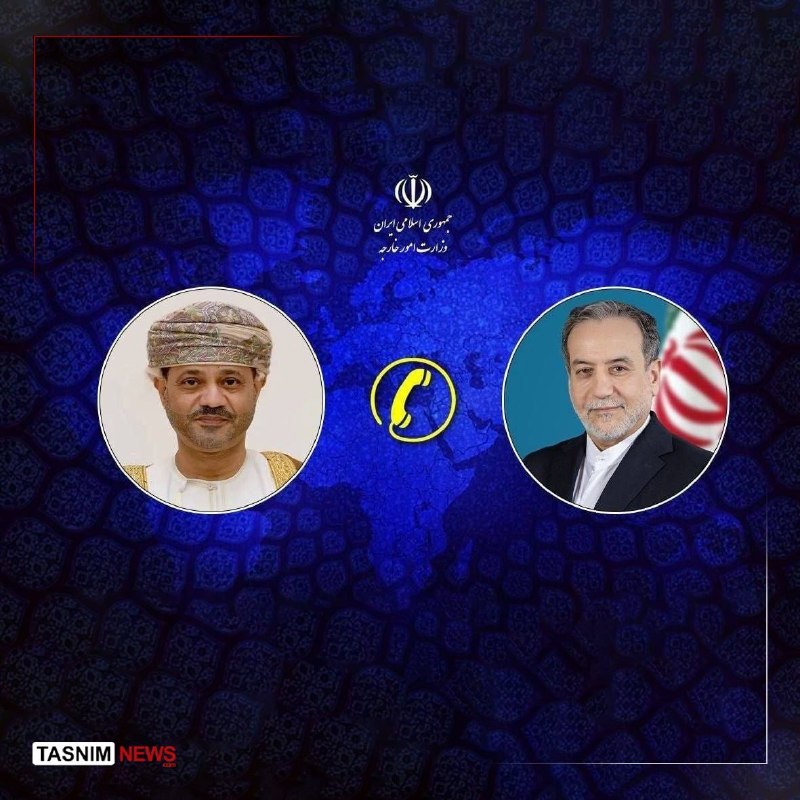
The morning of 11 June 2026 opened on the Gulf's two clocks running out of phase. Iran's parliament was moving toward ratifying the closure of the Strait of Hormuz to maritime traffic, a measure that would turn the world's busiest oil chokepoint into a political lever. The White House, by contrast, was preparing a public posture of restraint, with the Pentagon signalling that any US response to Iranian retaliation would be calibrated, sequential, and limited to the targets already named by Central Command in its overnight strike package. The collision between those two clocks is where this story now sits, and where the world's oil traders are reading the same telegraph tape from two contradictory ends.
Within a 24-hour window, the Iranian system has produced three different signals: a parliamentary bill to seal the strait, a diplomatic channel in Doha trying to keep the nuclear memorandum of understanding alive, and missile and drone strikes on US air bases in Kuwait and Bahrain that Iranian-aligned channels claim destroyed surveillance radars, hangars and fuel storage. Each of these is being reported by sources with editorial commitments. The point of this article is not to declare which version is true. The point is to map the contest of statements and explain what its continued existence means for a barrel of Brent.
The kinetic record, as Tehran is telling it
The most visible Iranian messaging of the last day runs through the country's own media ecosystem and through channels sympathetic to it. PressTV published satellite imagery purporting to show complete destruction of an ASR-1000L tactical air surveillance radar at the US Ali Al Salem Air Base in Kuwait following Iranian retaliatory strikes. Other Iranian-affiliated channels published HD satellite imagery of targets they say were struck at US air bases and facilities in Bahrain, claiming radars, hangars and other facilities were destroyed by highly accurate strikes. A separate high-resolution image, circulated by AMK Mapping on Telegram, claimed two fuel storage tanks at the Sheikh Isa Airbase in Bahrain were destroyed by Iranian missile and drone strikes.
Each of these claims travels with explicit provenance attached. None of them has been independently corroborated by a Western wire service or by a US Central Command visual release in the time available. The IDF's own ground operation in southern Lebanon, advancing into Kfar Tebnit and Majdal Zoun north of the Yellow Line after airstrikes and artillery bombardment, sits in the same reporting window but at a separate military theatre, and reflects a different chain of command than the Gulf strikes. The Bahrain and Kuwait imagery, in other words, is best read as Iranian strategic communication rather than as confirmed battle damage, and how a reader weighs it depends on how much weight they give to a press apparatus that has clear incentives to register a hit.
The diplomatic track, as Doha and Tehran are telling it
In parallel, a diplomatic channel is running, and it is running hot. Iranian state-affiliated outlet FARS cited a Washington Post account claiming that at the beginning of the war Qatar had offered to mediate by brokering a halt to Iranian gas exports in return for ending the US air campaign. Qatari sources, via X, separately reported that Doha had proposed a $12 billion package for Iran: the release of $6 billion in frozen Iranian assets held in Qatar, with an additional $6 billion delivered through a loan or credit line, attributed by Mehr news agency. An Iranian official told DropSite News via Telegram that two outstanding issues remain on the proposed memorandum of understanding, and that an agreement could be signed swiftly depending on the US position on those points.
Tehran's public posture on this channel has been to slow the news cycle. After claims of an imminent deal, Iranian officials publicly denied that an agreement had been reached with the United States on Sunday, with one official quoted as saying, "We will have to wait and see exactly when the memorandum of understanding will be signed, but it certainly will not be tomorrow." That denial is doing two jobs at once: managing the expectations of the Iranian domestic press, where reformist and centrist papers such as Etemad, Jomhouri-e Eslami and Ta'adol are already framing a deal as a final diplomatic turn that would lift sanctions, unfreeze assets and rebuild the economy. And it is buying time for the parliament in Tehran to ratify the Hormuz closure bill without that bill being read as a maximalist provocation that closes the Doha channel.
The political weather inside Tehran
The Iranian debate is no longer contained in a single faction. An ultra-conservative MP, Amirhossein Sabeti, said he would register an impeachment motion against Foreign Minister Abbas Araghchi following his televised remarks on the nuclear deal. Sabeti accused Araghchi of overstepping his mandate. A separate pro-principlist Persian-language sign, circulated on Telegram, openly criticised the silence of Iran's supreme leader, Ayatollah Seyed Mojtaba Khamenei, on the ongoing nuclear negotiations, invoking the imagery of a plane tree that must, the sign argued, also bend. Reformist papers and hardliners are thus pulling in opposite directions on the same piece of paper.
The reason that matters for the oil market is structural. A parliamentary ratification of a Hormuz closure does not require executive approval to bind Iran's negotiating posture once it is on the books. It does require, however, a public story inside Iran that the regime is not simply folding under American pressure, or under Qatari mediation. That is what the impeachment threat, the rhetorical sign, and the timing of the satellite imagery releases are jointly designed to produce: a domestic political floor under any deal that emerges from Doha.
Why the market is pricing the waiting game
Brent's reaction over the same 24-hour window has been, in trader language, two-way. The threat of a Hormuz closure, if executed and enforced, can plausibly remove enough supply from seaborne flows to add a multi-dollar risk premium per barrel. The threat of a US–Iran memorandum of understanding, if signed and honoured, can plausibly remove the same premium. Because both signals are arriving simultaneously, the market is currently pricing the probability that the more durable outcome is closer to the second than to the first.
Several cautions apply. Iranian denials of a Sunday agreement do not, by themselves, mean no agreement is possible in the next 72 hours; they mean the Iranian system wants the agreement signed under its own headline, not under a Washington-released one. The kinetic messaging, meanwhile, has not been independently verified by a Western wire or by CENTCOM imagery in the time available, and Telegram channels with editorial alignment to Tehran have a structural reason to publish quickly rather than to wait. The Lebanon ground incursion by the IDF, finally, is moving along a separate axis and pulls regional escalation risk in a direction unrelated to the Gulf strike set.
What the next 72 hours will test
The traders and the diplomats are watching the same three clocks. The first is whether Iran's parliament votes the Hormuz bill into binding form, which would harden Tehran's negotiating floor. The second is whether Araghchi survives the impeachment motion and on what terms, because a foreign minister removed mid-channel is not the same diplomatic asset as one defended by the security wing. The third is whether US Central Command publishes verified imagery of the strike damage in Kuwait and Bahrain, which would either confirm Iranian claims of a military hit, contradict them, or, most likely for now, leave the record contested. Until at least one of those clocks resolves, the bar's price action will continue to be driven less by what the chokepoint is doing, and more by what each side's official speakers are saying it is about to do.
Sources
- PressTV (Telegram): "Satellite imagery captures the complete destruction of an ASR-1000L tactical air surveillance radar at the US Ali Al Salem Airbase in Kuwait following Iranian retaliatory strikes." 2026-06-13T23:00. https://t.me/presstv
- AMK Mapping (Telegram): "New high-resolution satellite imagery reveals that recent Iranian missile/drone strikes destroyed two fuel storage tanks at the Sheikh Isa Airbase in Bahrain." 2026-06-13T22:41. https://t.me/AMK_Mapping
- "wfwitness" (Telegram): "Iranian affiliated channels have published remarkable HD satellite images of targets it struck on US Air bases and facilities in Bahrain. Radars, hangars and other facilities were destroyed with highly accurate strikes." 2026-06-13T23:14. https://t.me/DDGeopolitics
- AMK Mapping (Telegram): "After extensive airstrikes and artillery bombardment, the IDF expanded their ground operations in southern Lebanon, advancing into the towns of Kfar Tebnit and Majdal Zoun, both of which are north of the Yellow Line." 2026-06-13T22:08. https://t.me/AMK_Mapping
- "sprinterpress" (X): "Iran has denied Trump's claims about reaching an agreement with the US on Sunday. 'We will have to wait and see exactly when the memorandum of understanding will be signed, but it certainly will not be tomorrow.'" 2026-06-13T23:47. https://x.com/sprinterpress
- "sprinterpress" (X): "Qatar has proposed a $12 billion package for Iran, including the release of $6 billion in frozen Iranian assets held in Qatar and an additional $6 billion through a loan or credit line – Mehr." 2026-06-13T23:54. https://x.com/sprinterpress
- "GeoPWatch" (Telegram): "An Iranian official has told DropSite News that two outstanding issues remain on the proposed memorandum of understanding." 2026-06-13T22:43. https://t.me/GeoPWatch
- FARS (Telegram): "The Washington Post's account of Qatar's secret offer to Iran at the beginning of the war." 2026-06-13T22:11. https://t.me/farsna
- "wfwitness" (Telegram): "Ultra-Conservative Iranian MP Amirhossein Sabeti has said he will register an impeachment motion against Iranian Foreign Minister Abbas Araghchi following his televised remarks on the nuclear deal." 2026-06-13T22:37. https://t.me/wfwitness
- "wfwitness" (Telegram): "Reformist and centrist papers – Etemad, Jomhouri-e Eslami and Ta'adol – strongly support the deal, framing it as a final diplomatic turn." 2026-06-13T22:19. https://t.me/wfwitness
- "wfwitness" (Telegram): "A pro-principlist sign in Persian has appeared criticising the silence of Iran's supreme leader, Ayatollah Seyed Mojtaba Khamenei, on the ongoing nuclear negotiations." 2026-06-13T22:00. https://t.me/wfwitness
Desk note: Monexus has framed this piece around the contest of official statements, rather than the kinetic event, because the available sources are themselves a contest of statements. Where the Western wire line (Reuters, CENTCOM) and the Iranian-aligned Telegram channel diverge, both have been reproduced with their provenance made explicit.