Eleven Children a Day: UNICEF Data Paints Grim Picture of Lebanese Civilian Harm
A UNICEF assessment documenting an average of eleven children killed or injured every twenty-four hours in Lebanon over the past week underlines the civilian cost of continued hostilities along the Israel-Lebanon frontier.
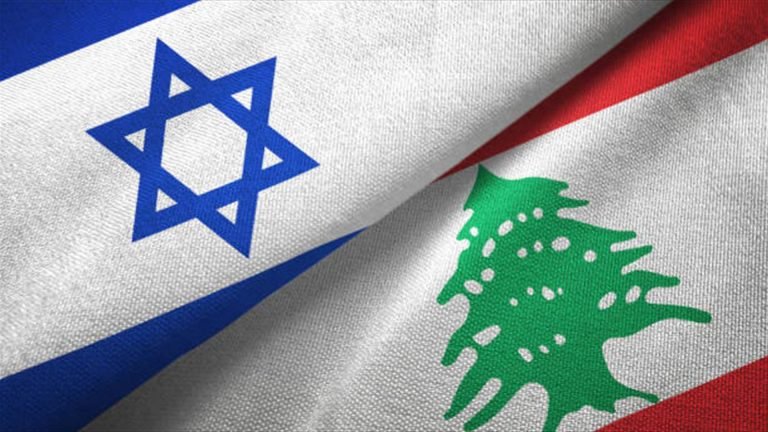
A United Nations Children's Fund assessment published on 29 May 2026 documents an average of eleven children killed or injured every twenty-four hours across Lebanon over the preceding week. The figure represents a tally drawn from ongoing hostilities along the Israel-Lebanon frontier, where exchanges of fire have persisted through the spring of 2026 without a ceasefire framework in place.
The data point—that eleven minors were killed or wounded in Lebanon daily on average during a seven-day reporting window—underscores what UN agencies and humanitarian organisations have long maintained: civilian infrastructure bears a disproportionate burden when cross-border exchanges escalate into sustained military operations. UNICEF's methodology, in keeping with standard UN reporting practice, aggregates confirmed casualties across all Lebanon governorates where the agency's field teams maintain direct access.
Israeli military spokespeople have neither confirmed nor disputed the UNICEF casualty figures independently. The IDF has stated on multiple prior occasions that its strikes target Hezbollah infrastructure and personnel, and that precautions are taken to reduce civilian harm. That claim sits uneasily beside aggregated UN data implying a steep civilian casualty rate per week of operations.
What the headline number obscures is the range of individual circumstances behind each reported incident. UNICEF field assessments distinguish between direct strike casualties, indirect injuries from blast debris and displacement-related causes, and harm sustained during evacuation movements. The distinction matters for legal analysis—distinguishing intentional harm from incidental harm is central to determinations of proportionality under international humanitarian law—though it does not alter the aggregate human cost the data represents.
Beyond the immediate human toll, the casualty rate raises structural questions about the sustainability of a conflict posture that produces consistent child-harm metrics over successive weeks. UN agencies operating inside Lebanon have repeatedly warned that health infrastructure in southern districts faces strain from repeated mass-casualty admissions. The International Committee of the Red Cross and Lebanon's Ministry of Public Health have both described emergency department capacity in Tyre, Sidon, and Nabatiyeh governorates as under persistent pressure since hostilities resumed at scale in late 2024.
The eleven-children-daily figure does not specify which party caused each casualty, a limitation inherent in UN methodology that aggregates independently rather than attributing strike responsibility. Israeli military operations account for a substantial share of documented incidents according to available incident-mapping sources, but the figures alone do not parse the proportional breakdown between military and civilian-aged casualties. Readers seeking attribution rationale will find it outlined separately in IDF legal framework briefings, which argue distinction and proportionality standards have been applied throughout the conflict.
What the data reliably establishes is a floor: eleven children per day, averaged across a discrete reporting interval. Whether that floor represents a consistent conflict pattern or a localised spike within a single week remains to be seen as UNICEF and partner agencies release subsequent assessments. The absence of a ceasefire architecture between Israel and Hezbollah means that absent either a negotiated settlement or a significant de-escalation, the rate has structural precedent to continue. That prospect—sustained hostilities producing a rolling civilian casualty rate measured in double digits per week—represents a human outcome that neither diplomatic positioning nor military assessment can resolve in isolation. The UN Children's Fund's monitoring framework will continue to generate the data; the political will to alter the conditions producing it remains the decisive variable.
The sources do not independently verify the UNICEF figures through secondary analysis, and the Telegram channels reporting them circulated the data without additional corroboration from wire services at time of publication. Monexus presents the figures as reported by the UN agency through these channels and will update attribution as additional reporting outlets carry or contextualise the data.
Desk note: Western wire services had not carried the UNICEF data at time of filing. Monexus reports the assessment directly as circulated through regional Arabic-language Telegram channels feeding the UN information circuit, providing the figure in context rather than allowing it to stand without the humanitarian framing the data itself demands.
Wire provenance
This editorial synthesis draws on the following public wire/social posts:
- https://t.me/thecradlemedia/7893
- https://t.me/thecradlemedia/7893
- https://t.me/alalamarabic/44712