Verification: What the US-Iran Framework Reports Actually Say
A verification of the 26 May framework coverage: a three-pillar frame from Corriere della Sera, contested uranium concessions in the New York Times and New York Post, and a Mehr News polling number the wire record cannot corroborate.
On 26 May 2026, the wires carried two competing versions of the same day of war. Iran accused Washington of breaching a fragile ceasefire with strikes near the Strait of Hormuz. France 24's English desk logged the Iranian complaint alongside Washington's counter-claim that the attacks were defensive; Reuters filed the exchange in its live blog as the war edged past its seventh week. By Tuesday evening, the dispute had migrated off the battlefield and into the reporting. Each side, and the outlets amplifying each side, was producing a different ceasefire.
What follows is a verification of the framework reports themselves: a structural read of what the major wires, Iranian state-adjacent channels, and Western-allied outlets actually published between the collapse of the in-flight negotiations and the present exchange of accusations. The picture is not a story of who won a battle. It is a story of three pillars organising the coverage, and a polling figure that does not survive contact with its sourcing.
The three-pillar frame
Italy's Corriere della Sera telegram channel, in a structural summary widely recirculated across European newsrooms on 26 May, organised the framework around three pillars: a nuclear file, a sanctions-relief file, and a regional-security file bundling Lebanon, Iraq, and the Strait of Hormuz. The pillars were useful precisely because they were neither Tehran's nor Washington's preferred frame. They are administrative categories, the way negotiators actually tab a deal. That framing earned the channel pickup from desks in Rome, Milan, and beyond as a neutral scaffold, and it is the scaffold most likely to outlast the day's headlines.
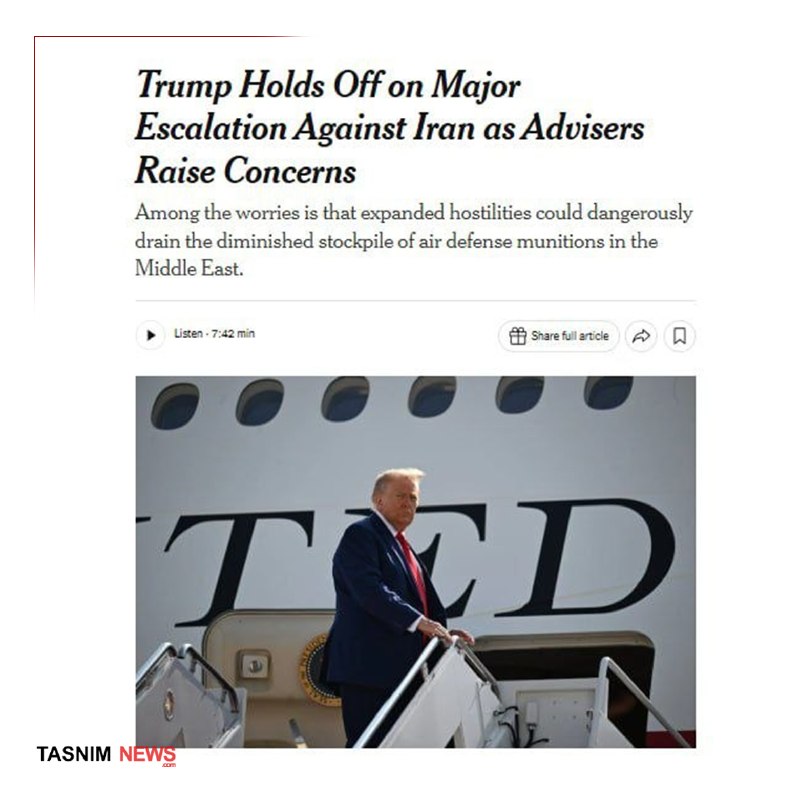
Under the nuclear pillar, the most consequential reporting came from the New York Times and the New York Post, each of which cited multiple US officials describing a structured concession on Iran's uranium stockpile. The New York Post's framing of the concession as a "uranium surrender" was sharper than the New York Times', but both papers anchored the same basic claim: that Iran's enriched uranium would be placed under external custody, with the location and mechanics unresolved in the framework stage. Corriere's framework read consistent with that pattern: the nuclear pillar carries the heaviest lift on technical verification.
The polling that does not travel
The Mehr News telegram channel, the English-language wire of the Iranian state-aligned outlet, has been circulating an eight-figured poll claim purporting to show overwhelming Iranian public support for the regime's negotiating posture. The figure, around 80 percent, sits in a class of numbers the editorial memory of the Iran file has been trained to flag. Mehr is state-affiliated, opposition polling inside Iran is conducted at personal risk, and aggregator surveys on geopolitical questions in semi-closed societies are routinely calibrated for regime messaging. The wire record includes the number; the wire record does not include independent corroboration. Until an outside pollster or a leaked methodology arrives, the figure is best read as part of Iran's information operation, not as evidence of popular sentiment. Several Tehran-aware desks now lead with the diplomatic substance of the framework rather than the polling, a quiet inversion of where the file sat six months ago.
The strike-and-counter-strike ledger
Behind the framework negotiations, the war did not pause. On Tuesday, French-language France 24 and Reuters both logged Iran's accusation that US strikes near Hormuz violated the ceasefire in its seventh week, with Washington insisting the strikes were defensive against an Iranian-aligned target. The Sprinter Press account, amplifying Iranian-aligned channels, reported that Iran had destroyed about one fifth of the pre-war MQ-9 Reaper inventory, a claim worth roughly one billion dollars at unit cost. The Reaper claim is structurally fragile. Drone shootdowns do aggregate, but in wartime the count is contested, and Iran's own channels rarely disclose intercept locations or technical means. Treat the headline number as Iranian-aligned and unverified.
On the Lebanese file, Lebanon's Health Ministry, logged by Middle East Eye's live blog, reported that Israeli air strikes across southern Lebanon had killed 31 people and wounded 40 on Tuesday, with cumulative fatalities since 2 March reaching 3,213. The cumulative figure, cross-referenced against the daily figure, is consistent with the trajectory reported by other Western-allied live blogs covering the war. The methodology of Lebanon's Health Ministry has been a matter of public-record scrutiny; the per-day kill figure, sourced to hospital and civil-defence logs, is the more defensible number. Treat the cumulative as a Lebanese ministry figure, not as an independently audited count.
What the corridors say about who's asking
A separate thread running through the framework coverage is the question of who is brokering the deal. Senator Lindsey Graham, amplified through the Open Source Intel channel, publicly objected to Pakistan's role as mediator, citing "long-standing" Iranian animosity and declaring Pakistani mediation "more than problematic." The complaint is partisan and is best read as a marker of where the US Senate's Iran hawks sit, not as a description of the negotiation's actual mechanics. The Hormuz exchange, on the other hand, is a description of mechanics: each side is testing the enforcement edges of a framework before it is signed. The Hormuz strikes are not the framework failing; they are the framework being argued over.
Iraqi movement on Iran-aligned militias adds a third corridor. Rudaw's reporting, picked up across Western wires, indicates Iraq's new government under Prime Minister Ali al-Zaidi is moving to bring Iran-aligned armed groups under state control, a significant Iraqi political signal that the framework's regional-security pillar has an active actor on the Iraqi side. The Rudaw report is sourced to officials from Iraq's ruling Coordination Framework, which is itself part of the negotiating coalition. Treat it as authoritative on Iraqi intent, provisional on execution.
What the framework reports do not say
There is a quiet absence running through the framework coverage that is worth naming. None of the major-wire framework summaries published on 26 May identify a signing date. None of them identify the location of the uranium surrender under the New York Times and New York Post reporting. None of them name an enforcement mechanism for whatever is signed. The three-pillar frame is administrative, not operational. It names what is being negotiated, not how it will be locked.
That gap is the story. The framework reports are a tab, not a contract. Iran's complaint about the Hormuz strikes and Washington's defensive counter-claim both belong to the enforcement-edges phase, which is the phase the framework coverage has not yet written. Until at least one of the three pillars gets a published enforcement architecture, the wire record is best read as a snapshot of the negotiating posture, not as a forecast of the war's end.
Sources
- Corriere della Sera, telegram channel: https://t.me/CorriereDellaSera
- Mehr News, telegram channel: https://t.me/mehrnews
- Abu Ali Express (English), telegram channel: https://t.me/englishabuali
- Abu Ali, telegram channel: https://t.me/abualiexpress
- France 24 English, Telegram: https://t.me/france24_en
- Reuters live blog: reut.rs/4nSkfPB
- Middle East Eye live blog: middleeasteye.net/live/iran-…
Desk note: Monexus led with the Corriere della Sera structural framing (three pillars) and the New York Times / New York Post uranium surrender reporting rather than the Mehr News polling figure, which carries inherent sourcing limitations given the outlet's state affiliation. The 80 percent public opinion figure is noted but not weighted as independent evidence.