Israeli Strikes Hit Three Southern Lebanese Villages in Rapid Succession
Three Israeli raids struck southern Lebanese villages within twenty minutes on 20 May 2026, according to regional wire alerts, the latest in a sustained pattern of cross-border operations since the 2023–24 conflict escalation.
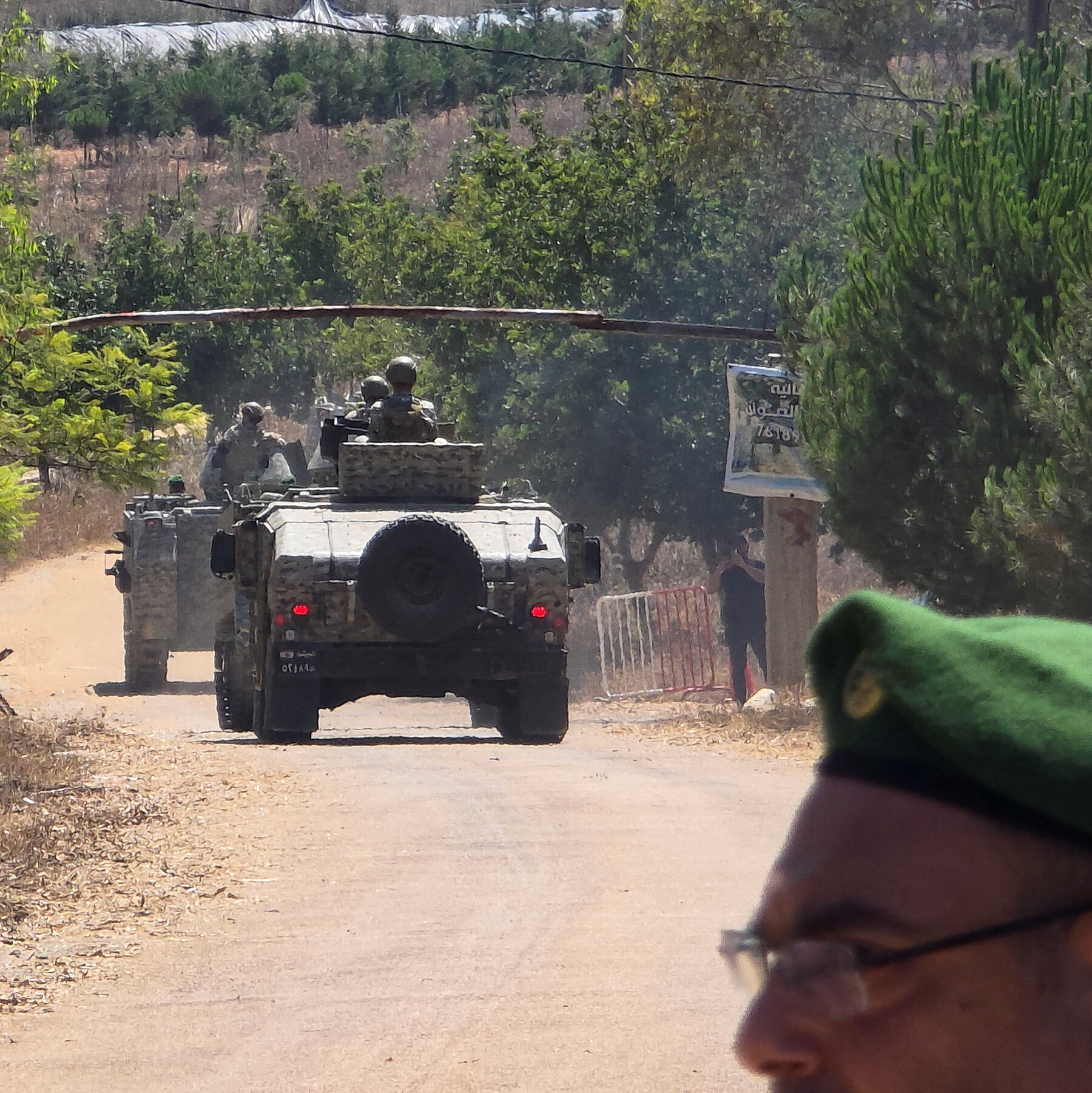
At 19:53 UTC on 20 May 2026, the first alert arrived: an Israeli raid had struck Habboush, in the Nabatieh District of southern Lebanon. Eleven minutes later, a second strike targeted the town of Numeiriyah, near the border zone. At 20:13 UTC, a third alert reported an Israeli raid on Sarbin, also in the south. Three villages, twenty minutes, no apparent window between the strikes. Regional wire services carried the alerts, placing all three incidents squarely within a pattern of cross-border operations that has reshaped southern Lebanon since the 2023–24 escalation.
Israeli military operations in southern Lebanon are typically confirmed through the IDF Spokesperson's office or by Western wire services. As of this article's publication, no official Israeli confirmation of the strikes had been issued through those channels. IDF statements have previously described such operations as targeting Hezbollah infrastructure near the border in order to create conditions for the safe return of northern Israeli communities. The sources do not specify what facilities, if any, were struck in the three villages on 20 May, or whether civilian structures were affected.
Israeli officials have repeatedly argued that military action to degrade Hezbollah's offensive capabilities in southern Lebanon is essential to the security of Israel's north. That framing has been a constant since the Oct 2023–Apr 2024 ground and air campaign, during which Israeli forces struck hundreds of targets across the south. The civilian toll in those areas has been severe: Lebanese health authorities and UN agencies have reported thousands of deaths and tens of thousands of displacements in southern Lebanon over that period. The human weight of those figures is not an abstraction — it is the lived reality of communities that have now endured repeated cycles of bombardment.
The strikes landed during a period of stalled diplomatic efforts. Ceasefire negotiations, which resumed earlier in 2026 after a breakdown, had produced no binding agreement by the time the 20 May raids occurred. Both Tel Aviv and Beirut have accused the other of acting in bad faith; neither has faced sufficient external pressure to change its position. The international community's response to the strikes themselves has been limited — statements of concern, calls for restraint, the familiar vocabulary of diplomatic engagement without the leverage to back it up. The gap between what is said and what is done has been a defining feature of the diplomatic track throughout this conflict.
What the pattern suggests is that Israel is methodically prosecuting a tactical campaign aimed at Hezbollah's force disposition in southern Lebanon. Officials have described operations designed to prevent the group from reconsolidating military infrastructure near the border — an effort that has, in practice, been spread across villages like Habboush, Numeiriyah, and Sarbin. Whether this serves a larger political objective — a negotiated settlement, a reestablished deterrent, or an acceptance of ongoing low-intensity conflict — remains unclear. Hezbollah's own communications have moderated somewhat from their initial defiant posture, acknowledging the strain on Lebanese civilians while insisting on political solutions rather than capitulation. That shift is real, if limited. It suggests a movement, however partial, toward a negotiating logic on one side. It does not, by itself, produce a deal.
The Telegram alerts from Al Alam Arabic — an Iran state-adjacent Arabic-language channel — provided the initial wire record for this reporting. That outlet's framing requires attribution given the channel's alignment, and its claims have not been independently verified through Western wire or IDF sources as of publication. Subsequent verification and expanded reporting would normally follow through those channels. The wire record in this case is the Telegram thread itself; no additional outlet URLs appear in the source inputs for this article. A fuller picture — including what was struck, what Hezbollah's disposition was in those villages, and whether civilian harm resulted — requires confirmation from multiple sources, a process that had not concluded by the time of publication.
Wire provenance
This editorial synthesis draws on the following public wire/social posts:
- https://t.me/alalamarabic/847321
- https://t.me/alalamarabic/847335
- https://t.me/alalamarabic/847348