Trump rolls 10% universal tariff into a 12.5% forced-labour schedule on 60 countries
A 10% universal US surcharge lapses on Friday 24 July 2026. The White House has replaced it the day before with country-specific levies of 10% or 12.5% on 60 trading partners, framed as a forced-labour response after the Supreme Court knocked down the earlier regime.
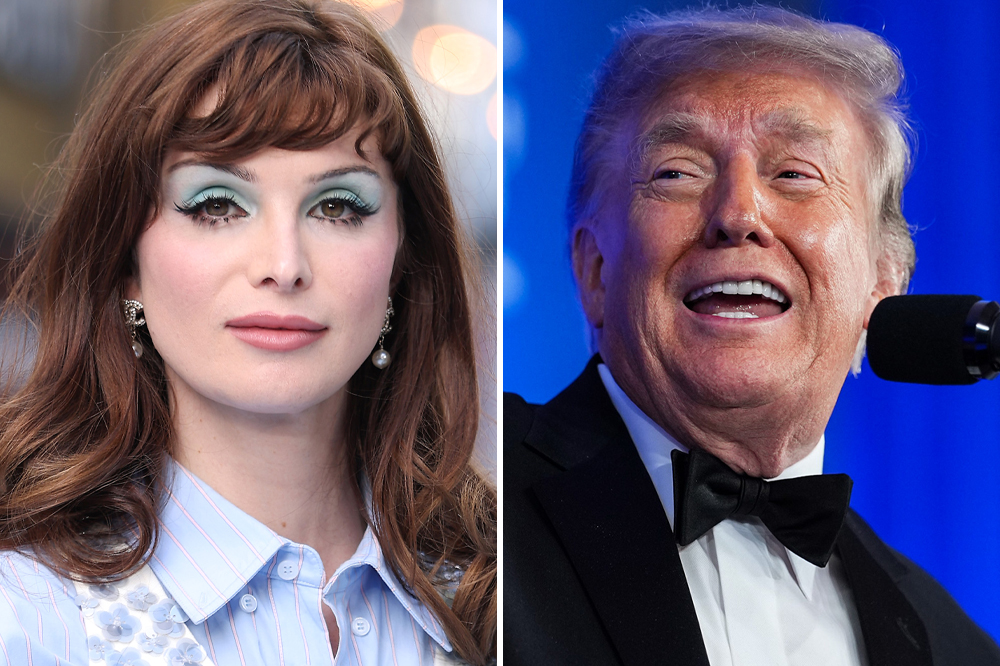
At 21:46 UTC on 23 July 2026, France 24's English and French services carried the same announcement from Washington: US President Donald Trump had signed new tariffs of up to 12.5% on imports from 60 countries, framed as a forced-labour response. The new measures replace the temporary 10% universal surcharge that France 24 says expires on Friday 24 July 2026, one day after the announcement, and which France 24 explicitly links to the US Supreme Court having struck down Trump's earlier tariff regime.
The mechanism is different, the legal hook is different, and the country list is different. The headline rate is close enough to continuity that markets may under-react to a structural shift underneath. The new schedule is pegged to a forced-labour rationale rather than the broader framing that the White House had used for the 10% surcharge, and that procedural pivot carries downstream consequences for the kind of evidence Washington is willing to deploy and the kind of trade partners it can credibly name. The 10% baseline was wide, blunt, and easy to model. The 12.5% schedule is narrower, country-specific, and litigable.
The announcement in plain numbers
According to France 24's report of 23 July 2026, the new tariffs take the form of country-specific surcharges of 10% or 12.5% on imports from 60 trading partners. The 10% surcharge they replace is scheduled to expire on Friday 24 July 2026. The English wire attributes the framing to "forced labour concerns"; the French wire calls the move "new customs duties" targeting several trading partners, with the 10% baseline due to lapse the same day.
Both France 24 wires reference the legal context: the Supreme Court had struck down Trump's earlier tariff regime, which is why a temporary stopgap was needed in the first place. The replacement is being put in place the day before the 10% expires, so there is no policy vacuum at the border. The two-step architecture (temporary 10%, then country-specific 10% or 12.5%) reads as a sequencing choice forced by the court loss, not a coherent rethink of trade policy. That sequencing choice is the thread the rest of the analysis hangs on.
Why the forced-labour hook matters, in analysis
This section is Monexus analysis, not reporting of source facts. The move from a universal surcharge to a country-specific forced-labour schedule is a deliberate legal-instrument swap. France 24 reports the hook; France 24 does not specify the statutory vehicle, and this publication has not independently established whether the new tariffs operate through Section 301 of the Trade Act of 1974, the Tariff Act of 1930, the Uyghur Forced Labour Prevention Act of 2021, or another authority.
What can be said from the evidence in hand: forced labour is a credible trade-policy rationale that does not depend on the kind of emergency declaration the Supreme Court knocked down. That structural feature changes the legal terrain the administration now has to defend. It also narrows the policy tool: a forced-labour finding is tied to specific goods, specific factories, and specific supply-chain documentation, which means the executive branch has to be more selective about which countries it names, and importers have more room to challenge the underlying evidence.
The most natural reading of the two-step sequence (court loss, temporary 10% stopgap, then country-specific forced-labour replacement) is that the White House is recombining two policy streams: a court-blocked attempt at universal tariffs, and a working enforcement chain that can be repackaged around a different legal hook. The output is a schedule that looks broad in scope but is targeted in design. Monexus reads this as consistent with the administration's broader bet that bilateral pressure, country by country, beats a single multilateral round. The reading is analysis, not a sourced fact, and reasonable observers could draw a different one.
The counter-read nobody in Washington wants to say out loud
There is a defensible counter-narrative to the official framing, and it sits inside the same legal record. Forced-labour designations are useful precisely because they let the executive branch pick the targets, set the evidentiary threshold, and time the announcement for political effect, all without a full multilateral investigation. The countries that appear on a forced-labour list are not always the countries with the worst documented labour conditions; they are the countries the administration wants to put pressure on right now. Scaling the tool up to 60 countries turns an enforcement instrument into a foreign-policy cudgel, which is exactly the scaling question courts are most willing to scrutinise.
The strongest version of the counter-read is that the new schedule is a workaround. The 10% surcharge was easy to defend politically because it applied to everyone; it was easy to knock down legally because it rested on a contested emergency declaration. The 12.5% forced-labour schedule is harder to defend politically because it picks winners and losers by name, and harder to predict in court because the underlying findings are not in the public record. Both readings can be true at once, and the next ten days of filings will determine which one ages better.
What the sources do not specify
The France 24 wires of 23 July 2026 name the rate (up to 12.5%), the scope (60 countries), the legal hook (forced labour), and the timing (replacement for the 10% surcharge that expires 24 July 2026, after the Supreme Court ruling). They do not name the 60 countries, do not publish the per-country rate breakdown, do not specify which goods are covered, and do not identify which US authority issued the underlying forced-labour findings. The available source items also do not specify whether the new tariffs take effect on publication in the Federal Register or on the 24 July expiry of the prior surcharge. Those gaps are the ones the next 48 hours of reporting will need to close.
Desk note: Monexus treats the 10% to 12.5% swap as a structural shift, not a continuity story. The forced-labour hook changes the legal durability of the schedule, the evidentiary burden on importers, and the political coalition that can credibly oppose it. Wire coverage tends to compare the rates; the more useful question is what kind of trade instrument the administration has chosen to build on the rubble of the one the Supreme Court knocked down. This publication has not independently verified the underlying statutory mechanism or the named-country list, and treats both as open until primary US-government documentation is published.
Wire provenance
This editorial synthesis draws on the following public wire/social posts:
- https://f24.my/C4WR.g
- https://t.me/france24_fr/22279
- https://f24.my/C4WV.g
- https://t.me/france24_en/17929
- https://www.france24.com/en/americas/20260723-trump-announces-double-digit-tariffs-on-60-countries-over-forced-labour-concerns