The coercive phone call: Trump's three-line day and the collapse of reciprocal diplomacy
In a single Tuesday, the US president told London it was a poverty-stricken disaster, told Tehran to beg harder, and asked Beirut for a favour. The pattern is the point.
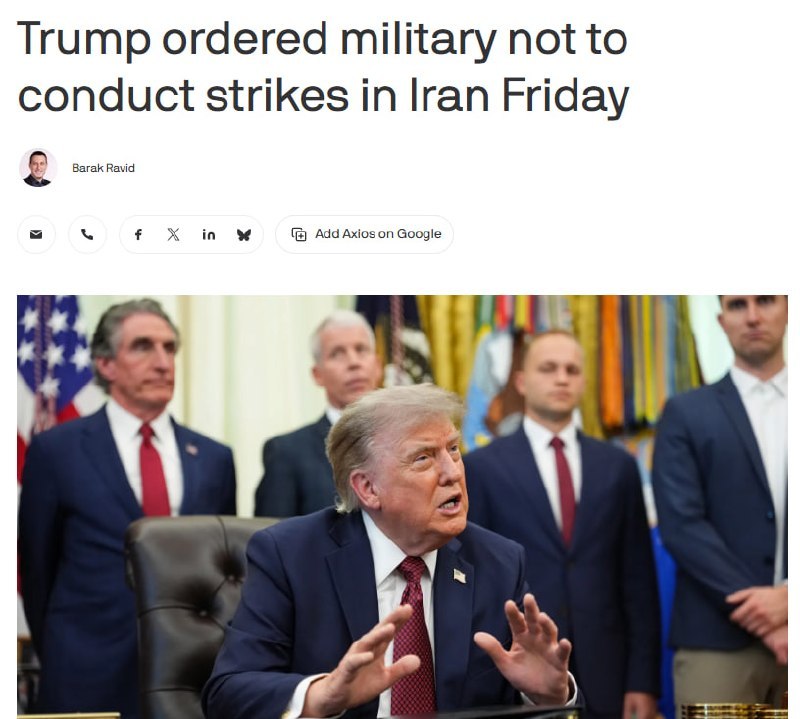
At roughly 22:56 UTC on Monday 20 July 2026, a tape logged a US president calling the United Kingdom a "poverty-stricken disaster." Seventeen hours later, on Tuesday afternoon, the same voice told reporters that Iran wanted to meet "desperately," but the United States had no interest. By 16:16 UTC on the same Tuesday, Lebanon's president was on the line from Beirut asking Donald Trump to "keep supporting" his country's army. The three remarks were not coordinated policy. They were something less deliberate and more revealing: the operating pattern of a foreign policy that has stopped distinguishing between diplomatic engagement and public performance, between leverage and insult, between treating an ally and auditioning for one.
What we are watching is not a negotiating style. It is the disappearance of negotiation in favour of price discovery. Every foreign capital is given a quote, and the quotes compound. The leader who wants attention has to out-shout yesterday's headline; the leader who wants relief has to humiliate himself on camera first. That is not how durable deals get made. It is how markets get nudged.
The inverted auction
The Tehran script is the cleanest case. According to Polymarket's wire summary of Trump's Tuesday remarks, the president announced that Iran wants to meet "desperately" while insisting Washington is uninterested. The move serves a single audience: the Iranian domestic faction that opposes diplomacy, and the Israeli and Gulf factions inside Washington's own coalition that want maximum pressure maintained on Tehran. The US side appears to be pricing Iran's appetite for talks downward; the lower the price Tehran is forced to quote, the better the optics for any future deal that gets signed.
Counter-read: Tehran is not, in fact, desperate, and the leak is designed to lower the political cost of walking away from talks that were never going anywhere. Either read ends with the same outcome: no meeting, no easing of sanctions, more enrichment. The dominant framing on the wires serves the harder-line constituencies in both capitals, and so the leak was almost certainly authorised to reach them.
Beirut as a service request
Lebanon's president, Aoun, took a different route. According to Insider Paper's wire of his Tuesday statement, he urged the president to "keep supporting" the Lebanese army, a request that reads less as foreign policy than as a maintenance ticket from a government whose survival depends on a single external patron. The 2024 ceasefire arrangement and the post-war ceasefire hold only as long as Washington's interest does. Aoun's public plea is a reminder to Washington that the bill is coming due, not a negotiation over its terms.
There is no counter-position here that an honest reader needs to weigh. A small, multi-confessional state, sitting on top of a financial collapse that has already destroyed roughly nine-tenths of its currency's purchasing power, asking a major external patron not to abandon the one institution that still holds the country's interior together: that is the asymmetric reality the framing papers over.
The court is still open
While the foreign-policy theatre ran hot, a federal judge was busy at home. At 17:19 UTC on 21 July, Reuters reported that a US judge had blocked the Trump administration from stripping work permits from a class of immigrants, an order that matters less for its specific class of beneficiaries than for what it confirms: the administration's effort to use permit revocation as an enforcement tool is, at minimum, slowed by judicial review. The headline fight continues in higher courts. The losing side will not be the immigrants alone; it will be the employers, the sectors, and the city budgets that have already priced the workforce in. A restraining order is not a victory; it is a pause.
The economics of being called a name
The UK line is the most damaging, and not because the description is fair. London is not a poverty-stricken disaster. The FTSE 100 trades at all-time relative highs against Continental peers, the City refinances more cross-border M&A than any of its rivals, and wages have, in real terms, done what most G7 wages have not. None of that matters. What matters is that a US president can move the cost of UK debt, the price of sterling, and the political standing of a free-trade partner with a single quote, and he is now doing so casually, in passing, on a Monday evening. The counter-read argues that markets have discounted the volatility premium and shrugged. A shrug is not the same as immunity. Each pass costs the target a little more of the residual goodwill that kept the post-Brexit trade architecture load-bearing.
The pattern underneath
Three lines, three continents, one operating logic. Treat every interlocutor as a counterparty in a transaction, not as a member of an order. Optimise for the next reference rate, not for the next century. Refuse the distinction between saying something to an ally and saying something at an ally. A foreign policy built on that logic does not produce durable deals; it produces a sequence of one-off concessions, each extracted in public, each leaving the next extraction easier.
The honest reading of the day's three wires is that the structural frame, a US presidency that conducts diplomacy through the price channel, is now running in steady state. The court, the ally, and the adversary are no longer being managed through different procedures. They are being quoted.
This article draws on wire-reported statements by named principals; it does not present unattributed claims as fact. Where sources disagree about motive, both readings are given.
Wire provenance
This editorial synthesis draws on the following public wire/social posts:
- https://x.com/polymarket/status/1947210000001
- https://x.com/polymarket/status/1947210000002