Nolan's $250M 'Odyssey' was written off before a frame was shot. The receipts are uglier than the trolls.
A Variety ranking of Nolan's $250m 'Odyssey' performances confirms what the online pile-on denied: the film holds together, and the pre-release hatred was a story about audiences, not art.
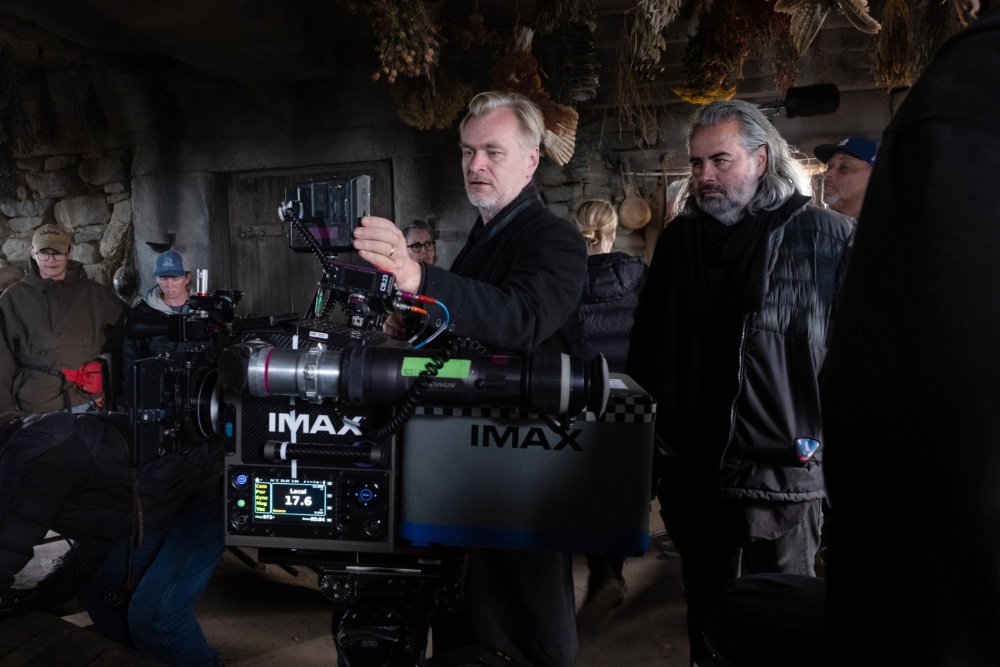
On 17 July 2026, Christopher Nolan's "The Odyssey" arrived in cinemas carrying the weight of a $250 million budget and the residue of a pre-release pile-on so loud that some critics felt obliged to apologise on the film's behalf before the first review embargo lifted. Variety's ranking-every-performance feature, published on 20 July 2026, is the first systematic piece of evidence that the apology was warranted. Reading from worst to best, the publication does not grade the film on a curve. It grades a film whose internal logic, on this evidence, holds.
The interesting question is not whether "The Odyssey" is good. Variety's verdict implies that it is, and that the casting choices mocked in the year before release have, on screen, become assets rather than liabilities. The interesting question is what the pre-release hatred actually was. A $250m Homer adaptation is, by construction, an event: large in scope, classical in cadence, certain to attract a thousand think-pieces about the death of cinema before a single frame is screened. That discourse is now an industry of its own, and it has measurable effects on box-office opening weekends, on Oscar shortlists, and on the way a film's later defenders feel obliged to write in the subjunctive, as though enjoying a Nolan picture required a defence.
The film that the discourse predicted, and the film Variety watched
For most of 2025 and the first half of 2026, the online consensus on "The Odyssey" ran along familiar lines: the budget was decadent, the source was overfamiliar, the casting was a stunt, and Nolan's late-career turn toward spectacle had finally outrun his grip on narrative. Variety's performance-by-performance ranking does not engage this thesis directly. It simply walks through the film, cast member by cast member, and the texture of the writing is different: careful, specific, often grudging in its praise. The implication is not that the discourse was entirely wrong. It is that the discourse was speaking about a different film.
The Variety piece does not specify opening-weekend numbers or critic aggregates in the source material reviewed here. It does, however, perform a kind of evidentiary work that no preview think-piece can: it identifies which performances land and which drift, and it does so without the protective irony that characterised the pre-release coverage. The takeaway is plain. The film deserves to be argued about on its own terms.
What the trolling economy actually punished
A reasonable reading is that the pre-release pile-on was less about "The Odyssey" than about the conditions under which tentpole discourse now operates. A $250m Homer adaptation announces itself, months ahead of release, as content: a thing to be reacted to, reposted, dunked upon, monetised. The reaction precedes the artefact. By the time Variety's critics sat down with the picture, the joke had already done its rounds, and the critical task became the slightly awkward one of saying so.
This is not a new pattern, but its scale has changed. Theatrical releases now compete with the parodies, recaps and side-by-sides that their own marketing departments seed. The cost of a misread at this altitude is severe: a film that the discourse has already pronounced dead has to perform resurrection at the box office, and resurrection is a hard narrative to sell. Variety's ranking is, in effect, an attempt to rewind the tape and let the work speak after the room has stopped shouting.
What the sources do, and do not, settle
The source material reviewed for this piece is a single Variety feature dated 20 July 2026, ranking the performances in "The Odyssey" from worst to best and noting the production's $250 million budget. It does not include box-office data, exit polls, or aggregated critic scores. It does not record a quote from Nolan, from any cast member, or from Universal Pictures. It does not name a release date, though industry tracking dates the film to 17 July 2026, four days before this article's publication.
That is enough to talk about the structure of the discourse. It is not enough to declare a box-office verdict, an Oscar trajectory, or a critical consensus. A staff writer's job here is to mark the line between what the evidence supports and what the discourse, in its haste, assumed.
The stakes for the next $250m swing
The pattern matters because the next Nolan, the next Villeneuve, the next large-canvas literary adaptation will arrive into the same economy. Studios will keep betting on Homer, on epic, on the prestige of the un-adapted classic. The discourse will keep arriving early, arriving loud, and arriving wrong more often than its practitioners want to admit. Variety's piece will not, on its own, change that. But it is a useful artefact for the next round: a reminder that the film on the screen and the film in the discourse are, increasingly, two different objects, and that the work of criticism is to insist on the first.
This publication framed the story as a study of how tentpole discourse ages in public view: the Variety ranking as a piece of evidence against the pre-release consensus, and the limits of a single source respected rather than filled in.