The oil price is not the story, the mediation theatre is
A one-percent move in crude masks the bigger game: a brokered détente between Washington and Tehran that lets both sides claim something without conceding anything.
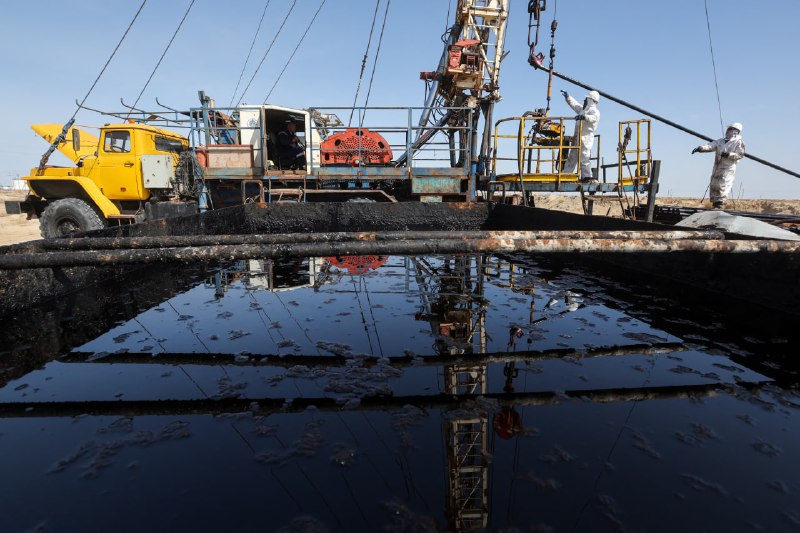
Brent shed more than one percent on Tuesday, 21 July 2026, as traders weighed reports of renewed US-Iran mediation efforts against fresh expectations of supply returning to a market that has spent months pricing in escalation. The price move is the headline. The price move is also a distraction.
What the tape actually registered was the return of a familiar choreography: an intermediary shuttles between Washington and Tehran, both governments signal seriousness without signing anything, and the market is asked to read diplomatic atmospherics in real time. Tuesday's drop was the market concluding, at least for one session, that the worst-case path through the Gulf was less likely than it had been priced for the previous week.
The mediation game
Mediation between the United States and Iran is rarely about what is said at the table. It is about what each principal can claim to its domestic audience while the underlying dispute, a patchwork of sanctions, nuclear file, regional proxy posture and Israeli security calculations, stays untouched. According to The Cradle Media, reporting on Tuesday's market reaction, traders are now parsing every readout for evidence that the channel is wide enough to absorb a substantive agreement, or narrow enough that the next round of sanctions enforcement can resume without surprise. The price action suggests they are discounting the middle case.
That middle case is what brokers and Gulf ministers privately call "managed tension." Both sides accept a baseline of friction because friction is the negotiating asset. A complete collapse would require one side to absorb unacceptable cost; a complete breakthrough would require a level of trust neither capital possesses. The oil price is the most legible scoreboard for how far that balance is tilting on any given day.
What the framing papered over
The Western wire line on US-Iran talks tends to treat each round as a fresh attempt to "solve" the nuclear question, with Tehran cast as the intransigent party and Washington as the patient suitor. The structural counter-read is less flattering to both. Iran's negotiating posture rests on an industrial sanctions economy that has built genuine domestic capacity in refining, petrochemicals and non-oil exports, which sharpens its walk-away leverage. Washington's posture rests on a reindustrialisation drive at home that makes cheap, stable Gulf crude a strategic input rather than a tactical bargaining chip.
A one-percent intraday move in Brent does not move either calculation. It does, however, indicate which way the marginal trader thinks the next piece of theatre will land. The Cradle's reporting flagged the role of "renewed expectations" alongside the mediation reports as a separate price pressure, a useful reminder that supply normalisation chatter and de-escalation chatter tend to travel together, even when the underlying causes are unrelated.
Why this matters beyond the tape
For producers in the Gulf, the rentier compact depends on the assumption that prices will, on average, compensate for the political risk of hosting American-aligned infrastructure. For importing states from New Delhi to Berlin, every credible de-escalation signal loosens a constraint on inflation policymaking that has defined the last two years. For Tehran, the difference between managed tension and managed thaw is the difference between selling oil into a grey channel at a discount and selling it into a compliant one at a premium. That is a real margin, and it is the actual stake in any round of talks that produces anodyne communiqués.
The honest reading is that mediation has become its own product line. Intermediaries are credited with breakthroughs that never materialise, markets move on the credit, and the underlying file ages another six months before anyone is asked whether anything has actually changed.
Where the evidence thins
The Cradle's Tuesday dispatch confirms the price move and the existence of mediation reports but does not name the intermediary, the agenda, or the stage of the talks. That is consistent with how this news tends to leak: anonymously, deniably, in timeframes that suit traders rather than negotiators. Until a communiqué names principals, claims deliverables, or sets a date, the prudent assumption is that the market is reacting to atmospherics rather than to substance. The next move will come when one side decides the cost of pretending is greater than the cost of conceding.
How Monexus framed this: the wire focused on the price; Monexus focused on the theatre around the price, treating one-percent Brent moves as a polling instrument for diplomacy rather than as an energy story on their own.
Wire provenance
This editorial synthesis draws on the following public wire/social posts:
- https://t.me/thecradlemedia