Nexon's ARC Raiders hits but the stock won't move: a South Korea-Japan gaming giant caught between two markets
ARC Raiders is drawing players. Nexon's share price isn't buying it. The split says less about the game and more about the structural pressure on a South Korea-founded, Japan-listed publisher with growing pains in China and at home.
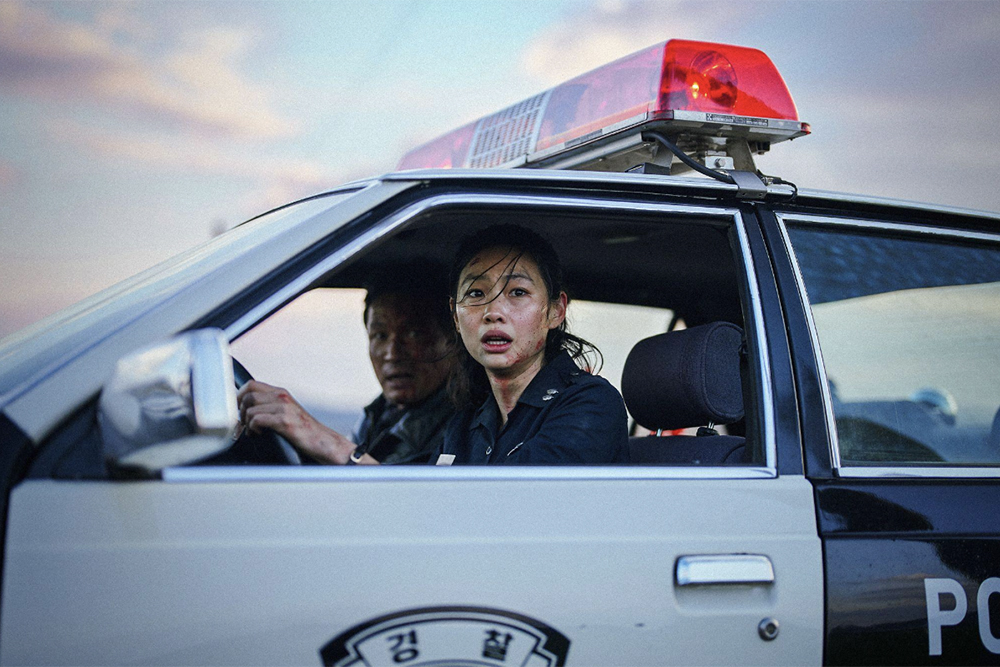
Nexon spent the better part of two years betting that ARC Raiders would reset its narrative. On 20 July 2026 the bet looked half-won. ARC Raiders, the extraction shooter developed by Stockholm-based Embark Studios and published by Nexon, is attracting players. Nexon's share price is not rewarding them for it.
That gap is the story. A successful title and a falling stock price, sitting side by side in the same trading day, is the kind of divergence analysts usually read as a verdict on the company rather than the game. Nikkei Asia reported on 20 July 2026 that Nexon, founded in South Korea and headquartered in Tokyo, is contending with growing pains in its Chinese and South Korean businesses at the moment its Western publishing arm finally delivered a hit. The market read the split and sold first.
What the tape is saying
Nexon's listed equity is priced for two things at once: the durability of its legacy franchises in Asia, and the credibility of its Western publishing pipeline. ARC Raiders is supposed to be the second leg. Instead, with the game live and engagement reportedly strong, the equity is being marked down because the parts of the business investors actually own a multiple on (the China and South Korea operations) are softening at the same time.
The structural problem is simple enough to state plainly. A Tokyo-listed, Chiyoda-headquartered publisher that monetises primarily through Asia is being asked to be valued as a global games platform. ARC Raiders moves it one step closer to that identity and the market still won't pay for it while the legacy cash engines cough. That is a sequencing problem, not a quality problem with the title.
Why China matters more than the headline suggests
Nexon's exposure to Greater China is the elephant in any earnings call. The company's monetisation model in China depends on a tight set of licences, a single dominant publishing partner in many product lines, and gameplay patterns that the regulator tolerates in a given quarter. Nikkei Asia's reporting flags Chinese and South Korean businesses specifically as the source of the "growing pains." That phrasing is the careful euphemism that Asian trade outlets use when the underlying mechanics are shifting under the publisher without anyone yet being willing to call it a retreat.
Counter-read: it is also possible that the share move is a positioning event, not a fundamental one. A blockbuster Western title landing at the moment Asian softness is disclosed gives funds a clean narrative to trim a name that had run into the launch. The Nikkei framing doesn't resolve which interpretation dominates, and the source material doesn't either. Both can be true simultaneously: a real operational headwind and a useful pretext for de-risking.
The South Korea question behind the Tokyo listing
Nexon was founded in South Korea in 1994 by Kim Jung-ju and spun out of the Korean MMORPG boom that produced MapleStory, KartRider, and the Dungeons & Fighters franchise that still anchors its Chinese revenue. The 2011 decision to redomicile the parent in Tokyo has long been read as a regulatory hedge: a way to keep the China business operating while sitting outside Korean and Chinese regulatory reach. That structure has worked for fifteen years. The question ARC Raiders surfaces indirectly is whether it still works for a company whose growth story now has to come from outside Asia.
This is the part of the story where the structural frame matters. South Korean game publishers have spent two decades learning to operate as national champions with one foot inside China and one foot outside it. The newer generation, including Krafton and Kakao Games, have tried to break that dependence by going global directly. Nexon is taking the older route: keep Asia, add the West. ARC Raiders is the test case for whether the older route can still produce a Western hit large enough to drag the multiple up.
What to watch between now and the next print
Three dates will tell investors whether 20 July 2026 was a buying opportunity or the start of a longer downtrend. First, the next Chinese licensing cycle: if Nexon's partner titles get approved on the usual cadence, the "growing pains" framing ages quickly and the share price rerates. Second, ARC Raiders' retention curve at the 60-day mark. Extraction shooters live and die on week-five cohort behaviour, and Embark Studios' prior work (the abandoned PvP project THE FINALS notwithstanding) gives the market a narrow base rate to argue from. Third, the South Korean parent-Nexon entity's disclosure on intra-group cash flows, which Korean financial regulators have asked about periodically and which would clarify how much of the China cash is actually flowing back to the Tokyo listco rather than sitting inside affiliates.
What the sources do not say is the actual share-price move on the day. Nikkei Asia reports the drop; the absolute print and the intraday range are not in the available reporting. That gap matters: a 2% move on an illiquid day is a different signal than a 6% move on volume. Monexus is reporting the divergence, not the number, until the tape is in front of us.
The honest summary is this. ARC Raiders may be a real hit. Nexon's stock is telling you that a real hit is no longer enough. The company is being repriced for a market that wants global growth and Asian cash, and is willing to pay a discount until it sees both at once. Until the China story stabilises, every Western win will be read against an Asian loss, and the multiple will stay compressed.
Desk note: Monexus framed this as a divergence story (operating hit vs falling equity) rather than a product review. Nikkei Asia's wire supplied the structural facts; the analysis above is this publication's read of why the two halves of that story are pulling apart.
Wire provenance
This editorial synthesis draws on the following public wire/social posts:
- https://t.me/nikkeiasia